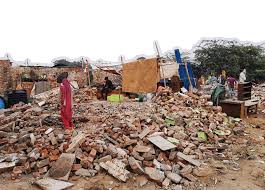
Kochi Encroachment Eviction Linked To Housing Push
Kochi’s newly constituted municipal leadership is facing an early and complex governance test after the High Court set a four-month deadline to clear long-standing encroachments along the Konthuruthy river poramboke and rehabilitate 126 affected families. The directive places equal emphasis on enforcement and humane resettlement, underscoring the growing judicial scrutiny on how cities balance environmental protection with inclusive urban development.
The interim order, issued in mid-December, mandates eviction with police support while assigning responsibility for rehabilitation planning and execution to the city corporation and the revenue administration. The timeline leaves limited room for procedural delays, requiring swift coordination across departments that have historically struggled with land regularisation and resettlement projects.Konthuruthy, located along an ecologically sensitive river corridor, has long been identified as vulnerable to flooding and environmental degradation. Urban planners say reclaiming such waterways is critical for climate resilience, drainage restoration, and long-term flood mitigation in coastal cities like Kochi. However, they caution that forced evictions without timely rehabilitation risk deepening housing insecurity and eroding trust between residents and civic institutions.
At a high-level administrative meeting convened late last month, officials discussed the financial structure of the rehabilitation programme. The estimated cost per housing unit stands at ₹14 lakh. While a substantial portion is eligible under the State’s LIFE Mission housing scheme, the city corporation has been advised to mobilise additional funds to bridge the remaining gap. This requirement could strain municipal finances already stretched by infrastructure upgrades and service delivery demands.Urban governance experts note that the case highlights a recurring challenge across Indian cities: riverfront protection efforts often collide with informal settlements that emerged due to housing shortages and proximity to livelihoods. Addressing this tension requires not only relocation but also access to services, employment connectivity, and social infrastructure at resettlement sites to prevent the cycle of displacement from repeating.The four-month window adds urgency to decision-making, procurement, and beneficiary identification processes. Any delay in rehabilitation readiness could expose the civic body to legal and reputational risks. Conversely, effective execution could serve as a template for future river restoration projects that integrate environmental goals with social equity.
For Kochi, the outcome will shape more than just a stretch of riverbank. It will test the city’s ability to align court-mandated environmental compliance with responsible urban housing policy. As Indian cities increasingly confront climate risks and land pressures, the Konthuruthy intervention may signal how urban authorities navigate the delicate balance between ecological restoration and people-first development.