


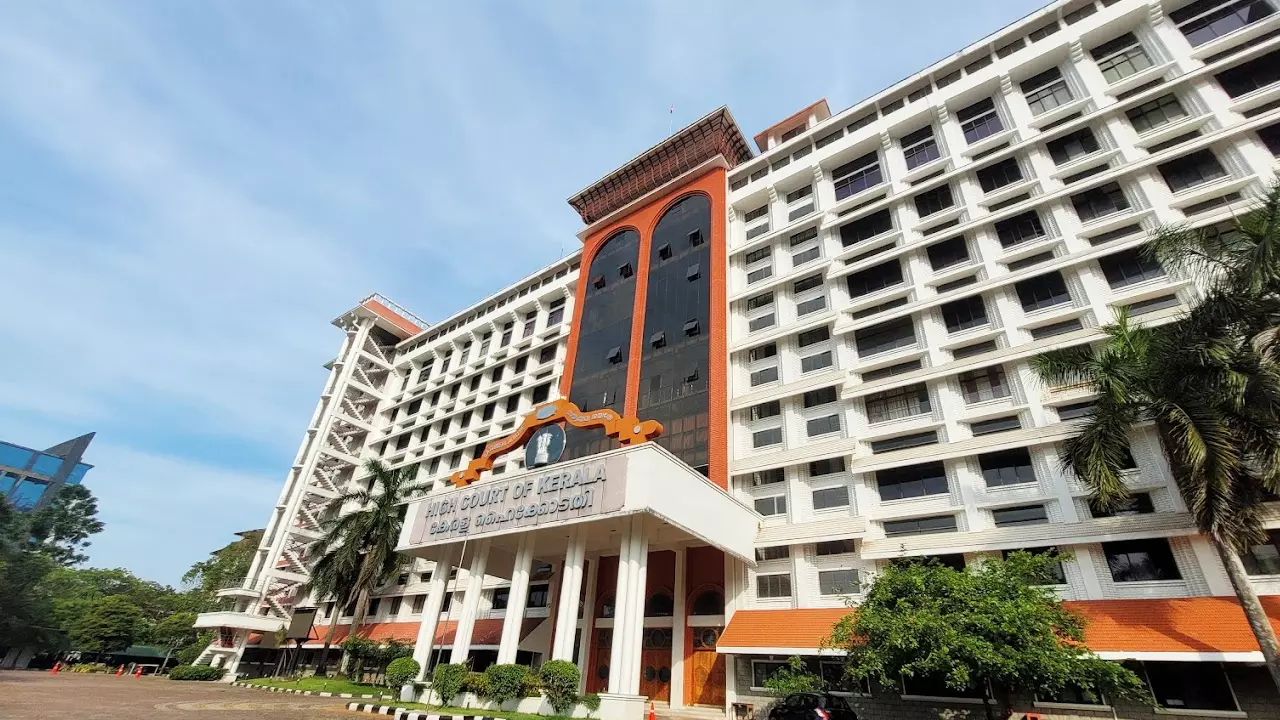
A recent judicial intervention in Kochi has brought renewed focus on how Indian cities balance environmental stewardship with public safety and administrative accountability. The High Court has sharply questioned the city’s civic administration over its prolonged failure to act on an official directive to remove hazardous trees, after concerns were raised that the inaction posed a serious risk to the life of an elderly resident. The episode underscores the growing governance challenges cities face as climate risks intensify and urban populations age.
The case centres on a long-standing order issued by a revenue authority directing the removal of trees deemed structurally unsafe near a residential property. Despite repeated representations and clear procedural instructions, the civic body responsible for execution did not act in a time-bound manner. The court noted that administrative delays in such matters are not merely technical lapses but can escalate into threats to personal safety, particularly for vulnerable citizens. Urban planners point out that incidents like this reflect systemic weaknesses in municipal coordination. Responsibility for tree management, disaster mitigation, and neighbourhood safety is often fragmented across departments, resulting in delayed responses even when risks are documented. In coastal cities like Kochi, where ageing trees, waterlogged soil, and stronger winds are becoming more frequent due to climate change, the margin for administrative delay is narrowing rapidly.
From a civic perspective, the issue goes beyond a single property dispute. Unsafe trees and neglected urban green assets can disrupt power lines, damage buildings, and block emergency access during extreme weather events. Infrastructure experts argue that proactive urban forestry management is now a core component of climate-resilient city planning, rather than a discretionary municipal function. Failure to act can impose hidden economic costs through property damage, insurance claims, and emergency response expenditure. The real estate sector is also watching such cases closely. Developers and housing associations increasingly factor neighbourhood safety and municipal responsiveness into project risk assessments. Persistent governance gaps can affect property values and investor confidence, especially in dense urban areas where ageing infrastructure and vegetation coexist with high residential occupancy.
Officials familiar with municipal operations acknowledge that legal clarity alone does not guarantee execution. Capacity constraints, overlapping jurisdictions, and fear of public backlash over tree cutting often slow decision-making. However, urban policy specialists note that transparent risk assessments, community consultation, and clear timelines can help cities address safety concerns without undermining environmental goals. The court has now directed the civic authority to act decisively, signalling that inaction on verified safety risks will not be viewed lightly. For Kochi and similar cities, the case serves as a reminder that climate resilience is as much about institutional readiness as it is about physical infrastructure. Strengthening coordination between revenue authorities, municipal bodies, and disaster management units will be essential to ensure that urban environments remain both green and safe for all residents.
Also Read: Kolkata Municipal Climate Training Advances Urban Resilience
Kochi Court Rebukes Civic Body On Urban Safety
