


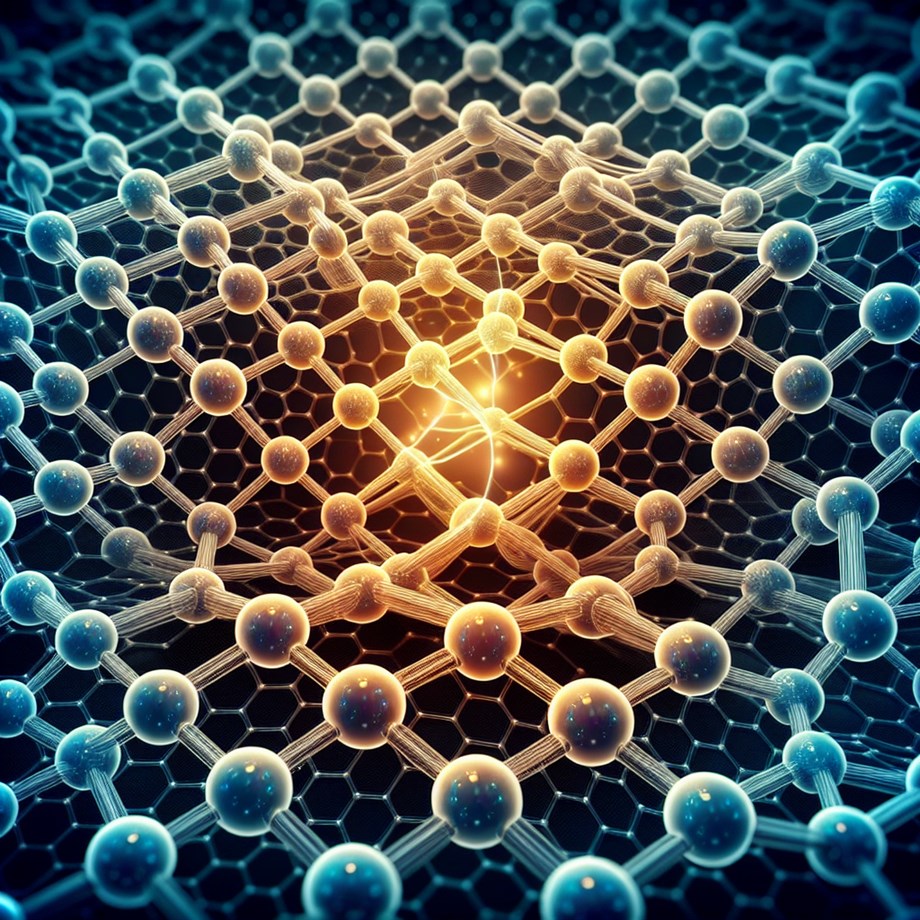
Kochi is emerging as a hub for cutting-edge research on graphene, the atom-thin “wonder material,” as scientists at GraphIN 2026 highlighted its potential to revolutionise water treatment. Experts at the international conference emphasised that graphene-based membranes and nanocomposites could address global water scarcity while reducing the energy footprint of purification systems.
Presentations showcased the development of graphene-based nanomaterials capable of selectively removing toxic substances from water. Researchers explained that the combination of graphene’s exceptional surface area and chemical reactivity enables these materials to act as highly efficient adsorbents, capturing pollutants that conventional systems often fail to eliminate.A senior researcher noted that controlling the spacing between graphene layers and the electrical properties of the membranes allows precise regulation of ion and molecule movement. This approach could advance desalination, wastewater treatment, and industrial filtration processes, potentially improving access to safe water in regions facing acute shortages.Industry and academic experts highlighted that graphene’s mechanical strength, chemical stability, and atomic-scale thickness make it ideal for next-generation filtration systems. Compared with traditional reverse osmosis technologies, graphene membranes promise higher efficiency, lower energy consumption, and longer operational life. Urban planners and environmental engineers attending the event also discussed the implications for sustainable city infrastructure, particularly in water-stressed regions.
The conference explored additional applications of graphene and other two-dimensional (2D) materials, including advanced semiconductors, quantum materials, and industrial innovations. Experts pointed out that insights gained from these materials could influence broader urban development strategies, particularly those integrating clean technology and resource efficiency.According to organisers, the ongoing research could transform the way municipalities and industrial facilities approach water treatment, providing more resilient solutions in the face of climate change, population growth, and environmental pressures. Graphene-based technologies are increasingly viewed as critical tools for cities seeking low-carbon, resource-efficient infrastructure capable of delivering essential services sustainably.Over the next two days, GraphIN 2026 will continue to feature plenary lectures and collaborative workshops aimed at translating laboratory research into scalable, real-world applications. Analysts suggest that the convergence of advanced materials research and urban planning could accelerate adoption of these solutions, particularly in rapidly urbanising regions of India and globally.
Also Read:Navi Mumbai Growth Boosts Commercial and IT Demand
Kochi Conference Highlights Graphene Water Solutions
