


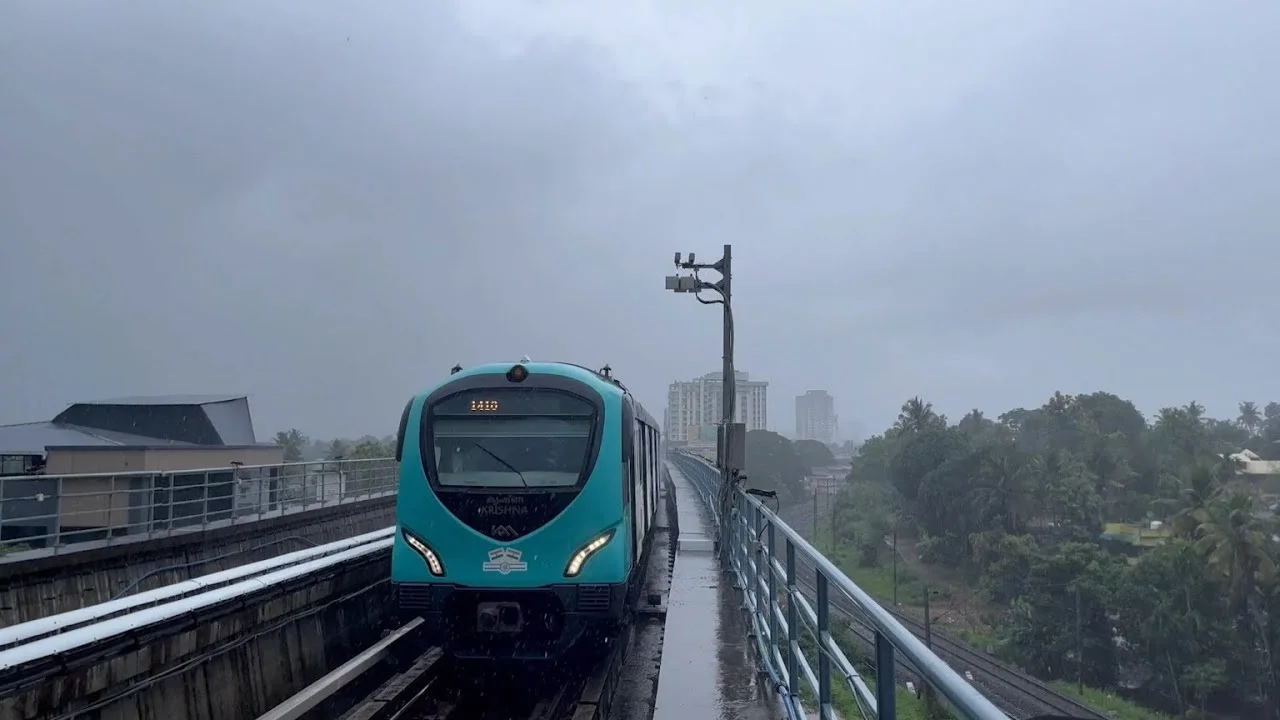
Kochi is emerging as an exemplar for India’s reimagined urban transport landscape, with its pioneering inland water transit system now cited in national planning circles as a scalable model for sustainable mobility. A recent national economic review highlights how the city’s integrated marine transit network is enhancing connectivity, lowering carbon footprints, and informing how other mid-sized and coastal cities can rethink conventional urban transport planning. The city’s water-based metro network has not only connected island communities more efficiently with dense urban cores, but also dovetails seamlessly with existing public transport systems. Urban planners and transport analysts say this multimodal integration is key to reducing reliance on private vehicles and cutting time lost in daily commutes — a pressing challenge across India’s rapidly growing urban regions.
Senior officials involved in planning point out that the water transit system’s institutional architecture is as important as its physical infrastructure. Operationalised through a dedicated special purpose vehicle, the network draws on public-sector leadership, municipal integration, and strategic financing, including concessional international loans. This blend of governance models has ensured robust oversight, cost containment, and the operational resilience necessary for year-round urban services. Crucially for cities grappling with climate resilience, the use of electric-hybrid vessels on the water network has yielded measurable reductions in greenhouse gas emissions compared to traditional diesel-powered alternatives. Experts say that leveraging existing waterways helps cities avoid the steep land acquisition and construction costs that often accompany elevated rail and road infrastructure projects, making this a financially pragmatic option for mid-tier cities.
The national review signals that this model is now under consideration in over twenty urban centres across India, spanning river-linked cities in the Northeast to coastal hubs on both the eastern and western seaboards. Feasibility studies are underway to assess how local hydrology, demographic patterns, and integration with broader transport networks might influence outcomes in each context. Urban mobility specialists emphasise that the transferability of such systems depends on tailored assessments, robust financial partnerships, and community-centric planning. “Cities must assess not just geography but equitable access, affordability, and ease of integration with walking, cycling, and conventional mass transit,” says an urban planning expert engaged in national advisory work. These perspectives underscore the need for long-term planning frameworks that view transport infrastructure as enablers of economic opportunity and social inclusion, not just movement.
Residents and local advocates welcome the emphasis on reducing daily travel burdens and promoting cleaner transport options, noting that time saved in transit translates directly into broader quality-of-life improvements. The narrative emerging from Kochi’s experience feeds into a wider policy shift urging cities to prioritise time-efficient, low-emission mobility solutions that support inclusive economic growth. As cities rethink sprawling road networks and vehicle dependence, the lessons from Kochi’s inland water transit — particularly on multimodal accessibility and climate-aligned infrastructure — offer a tangible template for sustainable urban futures.
Also Read:Pune Gets Extended Weekly Rail Service
Kochi City Leads Sustainable Urban Transport Shift
