


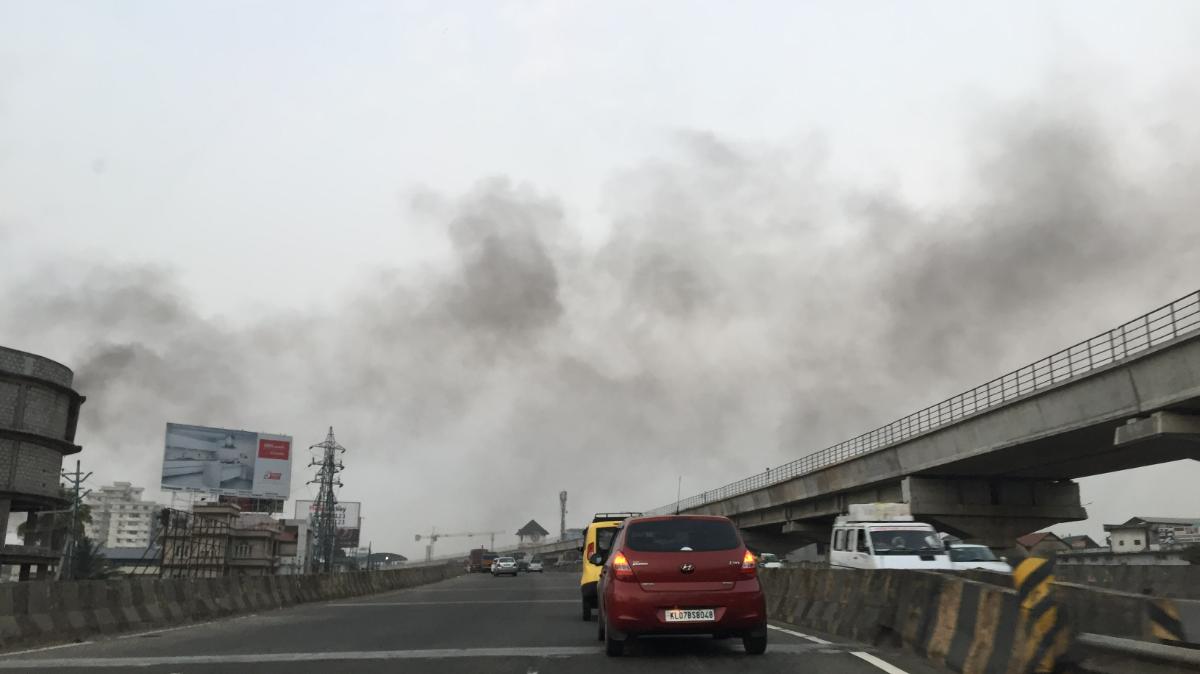
Air quality comparisons between Kochi and Delhi have come under scrutiny after claims circulated suggesting the coastal city’s pollution levels rival those of the national capital. An examination of publicly available monitoring data indicates that while Kochi has experienced periodic spikes, its overall air quality remains significantly better than Delhi’s chronic pollution levels.
Officials associated with Kerala’s environmental monitoring systems clarified that isolated readings, when viewed without context, can misrepresent broader trends. Air Quality Index (AQI) values fluctuate based on meteorological conditions, localised construction activity and traffic density. However, sustained high pollution episodes comparable to Delhi’s winter smog have not been recorded in Kochi. Environmental data experts explain that Delhi’s air quality challenges stem from a complex mix of vehicular emissions, industrial output, dust, crop residue burning in neighbouring states and seasonal inversion conditions. By contrast, Kochi’s coastal geography and sea breezes typically aid pollutant dispersion, reducing the duration of high concentration episodes. That said, urban planners caution against complacency. Kochi’s rapid expansion, port activity and increasing vehicle ownership have placed growing pressure on air quality indicators. Construction-led dust, diesel-powered goods movement and generator usage in dense commercial pockets contribute to particulate matter levels, especially PM2.5 and PM10.
Urban economists argue that air quality narratives influence both public perception and investment sentiment. Cities perceived as polluted may face reputational risks affecting tourism, talent retention and real estate demand. Conversely, transparent data reporting and proactive mitigation strategies strengthen investor confidence and urban liveability. Officials note that continuous ambient air monitoring stations across Kerala provide real-time data, enabling authorities to track deviations and respond with enforcement measures when required. Short-term spikes can occur during peak traffic hours or infrastructure works, but these episodes typically moderate quickly due to climatic conditions. Public health specialists emphasise that even moderate pollution levels warrant sustained action. Long-term exposure to particulate matter is linked to respiratory and cardiovascular ailments. As Kochi pursues infrastructure growth — including transport corridors and waterfront redevelopment — integrating dust suppression, green buffers and low-emission mobility becomes essential. Comparisons with Delhi underscore the importance of preventive planning. The national capital’s experience demonstrates how delayed intervention can result in systemic air quality crises requiring costly emergency measures. For Kochi, maintaining its relative advantage will depend on expanding electric public transport, regulating construction practices and promoting cleaner fuels.
Urban sustainability experts suggest that transparent communication around AQI data is equally important. Misleading claims can erode public trust or trigger unnecessary alarm. Accurate interpretation helps residents make informed decisions and encourages collective responsibility. While Kochi’s air pollution levels do not mirror Delhi’s chronic conditions, the episode highlights the need for data literacy and proactive governance. As Indian cities grow, safeguarding air quality will remain central to building resilient, people-first urban environments.
Also Read: Chennai Air Pollution Art Exhibit Raises Alarm
Kochi Air Pollution Claims Fact Checked
