


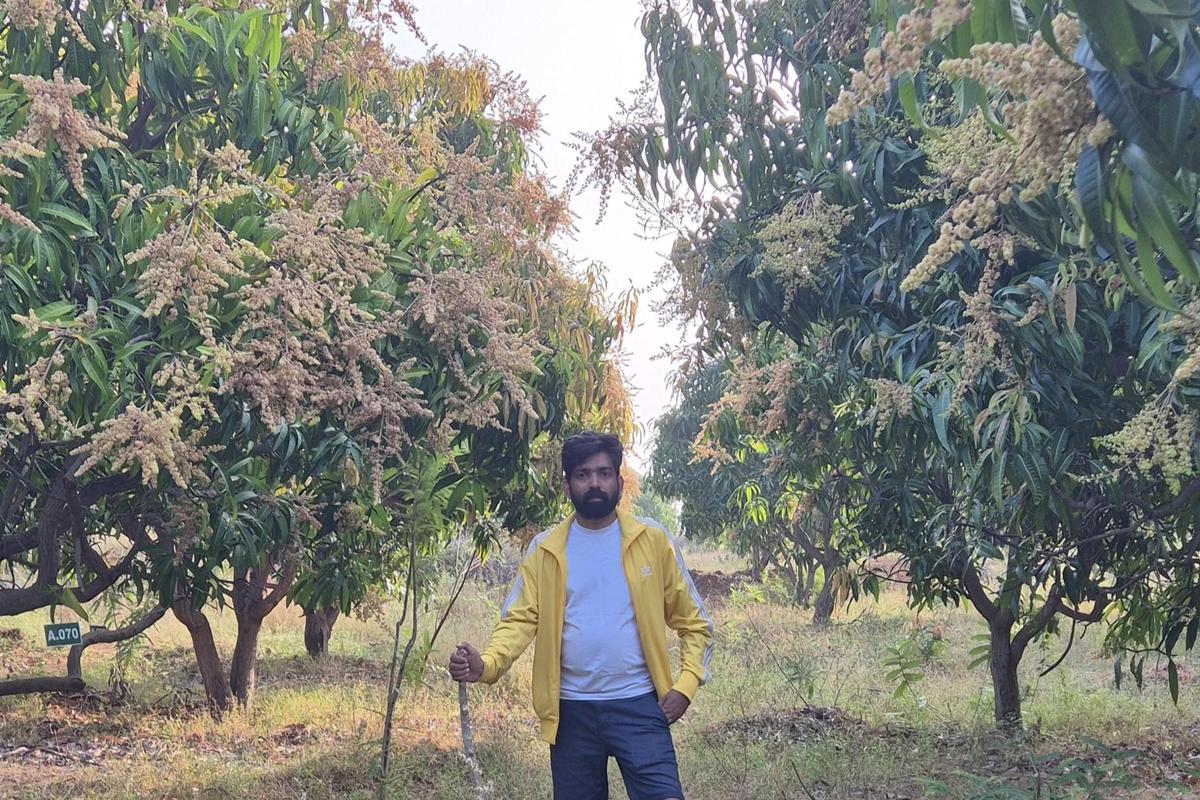
A Kochi-based agri-enterprise is reworking how premium fruit reaches urban consumers by allowing households to lease individual mango trees and claim the seasonal harvest. The model, developed by startup Rent a Tree, seeks to bypass conventional wholesale markets while offering farmers predictable income and reducing post-harvest losses.
Operating across nearly 250 acres in Ratnagiri, Palakkad and Dindigul, the company aggregates Alphonso mango orchards under lease agreements and manages cultivation through local farm workers. Customers subscribe to a specific tree category based on expected yield, paying upfront for the season. The produce is harvested at full maturity and shipped directly to lessees across India during the four-month fruiting window.India’s mango supply chain typically depends on early harvesting to minimise spoilage during transport. Agriculture economists say this often results in fruit being picked before peak ripeness, followed by artificial ripening closer to retail markets. By contrast, the tree-leasing model allows fruit to remain on the tree longer, improving taste while reducing the need for chemical ripening agents.
For farmers, the arrangement offers insulation from volatile mandi prices and informal credit cycles. Many small orchard owners rely on advance payments from financiers who secure first rights over the harvest. In weak market conditions, growers may divert unsold produce into pulp processing, often controlled by the same intermediaries. By leasing orchards and handling logistics, Rent a Tree aims to stabilise farmer cash flows and limit dependence on high-interest borrowing.Urban food policy analysts note that direct-to-consumer agriculture models are gaining traction in Indian metros, where middle-class buyers are willing to pay a premium for traceable produce. Such systems can strengthen rural-urban linkages and support climate-resilient farming practices if backed by efficient cold chains and low-emission transport networks.
The enterprise currently serves around 160 subscribers and has capped the number of rentable trees to maintain supply integrity. Surplus fruit is processed into pulp, reducing waste during peak harvest. The company plans to diversify into other seasonal fruits, including tropical varieties sourced from partner farmers.Trust remains a critical hurdle in subscription-based agriculture. Industry observers point out that past failures by informal operators have made consumers cautious about advance-payment farm schemes. To scale responsibly, startups in this segment may require stronger certification frameworks and digital traceability tools to assure buyers of orchard authenticity and crop health.As cities reassess food security amid climate variability, models that shorten supply chains and enhance farmer remuneration could play a modest but meaningful role. For Kochi’s emerging agri-innovation ecosystem, the mango-leasing experiment reflects how entrepreneurial interventions can bridge rural production and urban consumption with greater transparency and shared value.
Kochi agri startup leases mango trees
