


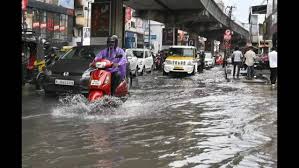
The High Court of Kerala has called for a comprehensive report from the secretary of Kochi Corporation on the city’s preparedness for the upcoming monsoon, amid growing concerns over recurring waterlogging and urban flooding. The bench, led by Justice Devan Ramachandran, also directed the district collector—who chairs the court-mandated monsoon monitoring committee—to convene a meeting within a week and implement concrete mitigation measures.
The court’s intervention follows multiple petitions seeking judicial oversight on monsoon-related urban vulnerabilities in Kochi. Petitions highlighted that despite repeated annual advisories, drainage inadequacies, blocked waterways, and weak coordination among civic agencies continue to exacerbate flood risks in low-lying areas. During the hearing, the amicus curiae noted that the monitoring committee had convened only once in recent months and that critical actions, such as clearing drains and reinforcing pumping infrastructure, remain incomplete.Urban planners and disaster management experts warn that Kochi’s unique topography—situated in the coastal backwaters with a high density of urban settlements—renders the city especially susceptible to flooding. Delayed planning and insufficient execution of drainage and flood control projects can amplify economic and social disruption, particularly during heavy rainfall. Localised flooding affects transport networks, commercial activity, and residential areas, highlighting the intersection of infrastructure gaps with civic resilience.Officials have acknowledged ongoing efforts to improve urban water management, including maintenance of key stormwater drains and retrofitting of pump stations. However, experts stress that without a structured monsoon preparedness framework—integrating real-time monitoring, community-level evacuation plans, and interdepartmental coordination—the city remains exposed to avoidable risks. The High Court’s directive signals judicial scrutiny of these preparedness gaps, potentially accelerating timely execution of mitigation measures before the monsoon onset.
For residents and businesses, the stakes are significant. Past monsoon seasons have witnessed widespread waterlogging, disrupting daily life and causing property damage. Analysts note that proactive planning, including clearing urban drains, reinforcing embankments, and strengthening early warning systems, is essential not only for citizen safety but also for sustaining economic activity in Kochi, a major commercial hub in Kerala.As climate variability increases the intensity and unpredictability of monsoon rainfall, integrating climate-resilient infrastructure and urban planning practices becomes critical. The High Court’s emphasis on coordination and reporting may catalyse more systematic approaches, ensuring that Kochi can better withstand seasonal flooding while safeguarding public assets and livelihoods.
Kochi Administration Urged to Step Up Monsoon Measures
