


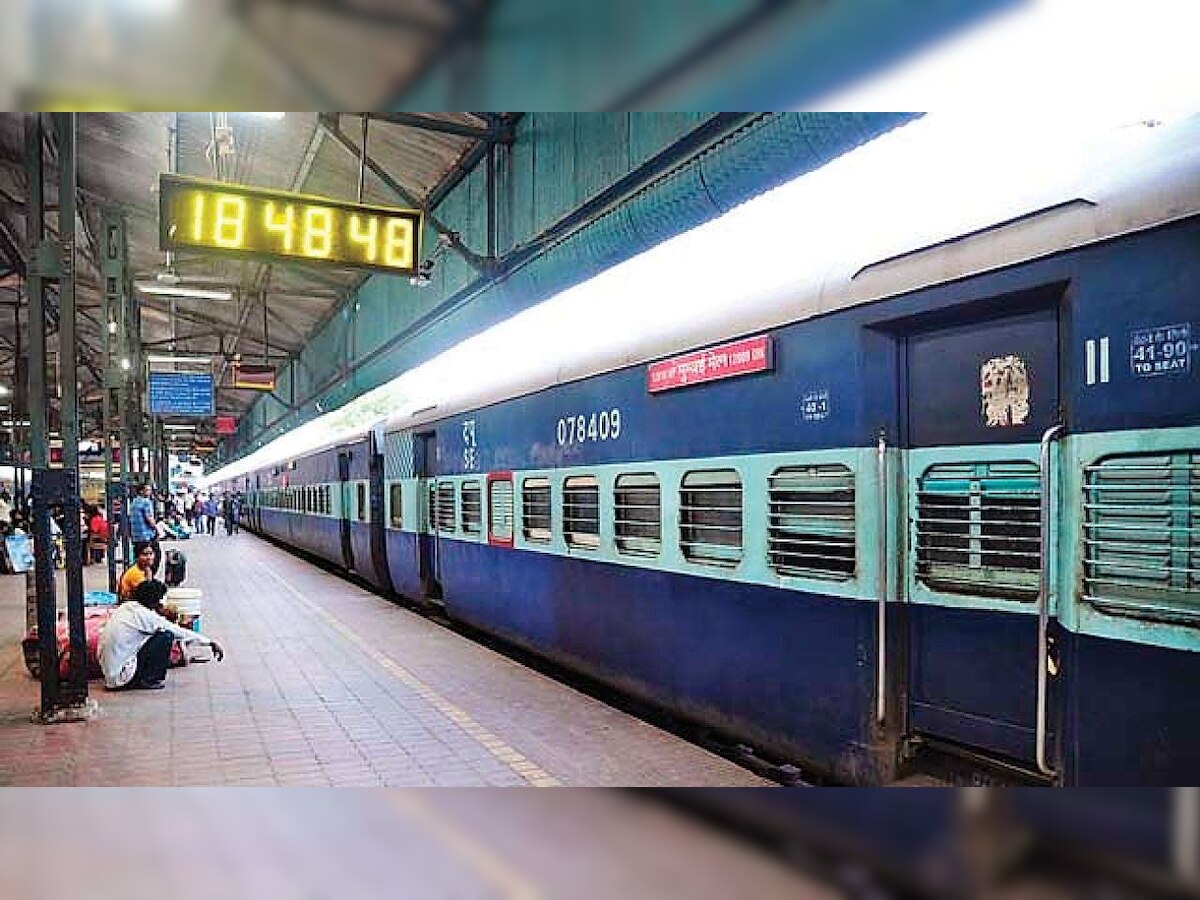
The state of Kerala is currently embroiled in a significant dispute with the Union government over the proposed closure of two long-serving railway stations, Vellarkad in Kozhikode district and Chirakkal in Kannur district.
V. Abdurahiman, Kerala’s Minister in-charge of Railways, has formally urged Railway Minister Ashwini Vaishnaw to revoke this decision, highlighting the severe repercussions for hundreds of ordinary commuters. This move, perceived by the state as part of a larger central policy of railway privatisation and a neglect towards Kerala’s specific needs, has sparked considerable public concern, underscoring the critical importance of accessible and equitable public transport in fostering sustainable urban and regional development. Minister Abdurahiman’s appeal, conveyed through an official letter, stresses the profound difficulties that would befall a diverse segment of the population, including employees, daily wage workers, and students, who have historically relied on these decades-old stations for their commutes. The potential closure of these transit points threatens to disrupt established travel patterns, imposing additional burdens of time and cost on vulnerable communities. Many trains that previously halted at these stations have already adopted non-stop schedules, an adjustment frequently attributed to reduced traffic during the recent pandemic, further marginalising these local stops. The proposed closures are viewed not merely as operational adjustments but as a strategic move that could undermine the very fabric of local connectivity.
The crux of Kerala’s argument centres on the human impact and the principle of universal access to public infrastructure. For countless individuals, these stations are not just points of embarkation; they are lifelines connecting them to their livelihoods, educational institutions, and essential services. Stripping away such fundamental access disproportionately affects those with limited alternative transportation options, potentially exacerbating socio-economic disparities within the affected districts. The demand for retaining these stations and increasing train stops aligns with the broader vision of creating gender-neutral and equitable cities, where efficient and affordable public transport is a right, not a privilege. Moreover, Minister Abdurahiman has explicitly linked the proposed closures to a perceived central policy of railway privatisation, asserting that such decisions reflect a broader neglect towards the state of Kerala. While the central government often cites operational efficiency and financial viability as reasons for rationalising railway stops, state authorities and local communities argue that the social utility and public convenience of such stations outweigh purely commercial considerations. This tension between economic rationalisation and social responsibility forms the core of the ongoing debate, highlighting the complex dynamics inherent in large-scale infrastructure management.
The strategic importance of railway connectivity in a densely populated state like Kerala cannot be overstated. Railways offer a relatively low-carbon mode of transport, contributing significantly to reducing overall CO2 emissions and promoting sustainable mobility, a crucial aspect of building zero net carbon cities. The closure of local stations, even small ones, could inadvertently push more commuters towards less sustainable modes of transport, such as private vehicles, thereby counteracting efforts to achieve environmental sustainability goals. The state’s plea, therefore, is not merely about retaining two stations but about preserving a model of public transport that serves the wider societal and environmental interests. The decision by the Union government to consider closing these stations, particularly given their long history of service and the dependence of local populations, has been met with widespread condemnation within Kerala. The outcome of Minister Abdurahiman’s urgent appeal to Railway Minister Vaishnaw will serve as a crucial indicator of the Centre’s responsiveness to state-level concerns regarding essential public services. It will also shape public perception regarding the future direction of railway policy in India – whether it prioritises commercial efficiency at the expense of social equity, or if it continues to uphold its role as a vital public service provider, ensuring inclusive and sustainable connectivity for all citizens.
Also Read: Mizoram gets national rail link to Aizawl
