


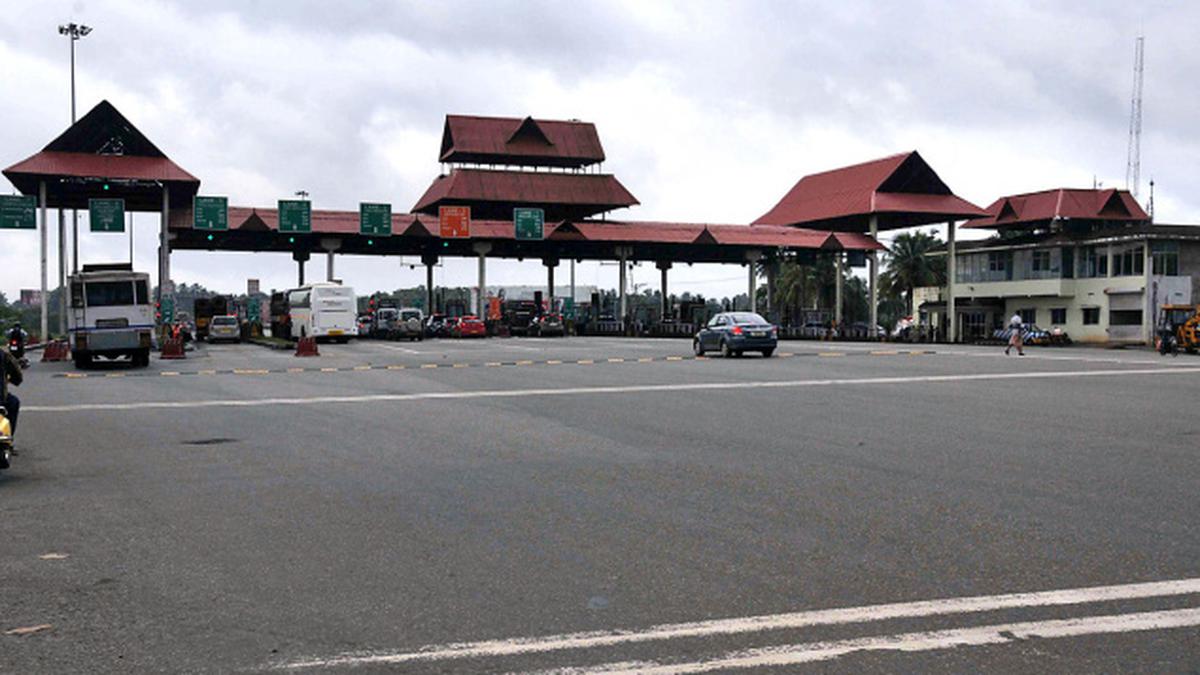
The Kerala High Court has issued an interim directive mandating the National Highways Authority of India (NHAI) to strictly adhere to its established toll operation guidelines.
The court’s order emphasizes that vehicles equipped with FasTag must pass through the toll plaza within a maximum of 10 seconds. Additionally, it stipulates that vehicle queues should not extend beyond 100 meters. Should these conditions not be met, the NHAI is instructed to allow vehicles to pass through without collecting toll fees. Failure to comply with these directives necessitates the submission of an affidavit explaining the reasons for non-compliance. This ruling stems from a public interest litigation filed by a concerned citizen, highlighting the severe traffic bottlenecks at the Paliyekkara toll plaza. The petitioner pointed out that the ongoing construction of an underpass on National Highway 544 has exacerbated the congestion, causing significant delays and inconvenience to commuters.
In response to the escalating situation, the Thrissur District Collector had previously suspended toll collection at the plaza on April 28, citing the need to manage the traffic effectively. However, this suspension was short-lived, as the NHAI assured the authorities of implementing corrective measures, leading to the resumption of toll collection the following day. The High Court’s directive underscores the importance of efficient toll plaza operations, especially in areas undergoing infrastructure development. By enforcing the 10-second clearance and 100-meter queue guidelines, the court aims to ensure smoother traffic flow and reduce commuter frustration.
This development also brings to light the broader implications of infrastructure projects on daily commutes. While such projects are essential for long-term improvements, they often pose short-term challenges that require proactive management and adherence to operational standards. The NHAI’s commitment to these guidelines will be crucial in mitigating traffic issues during the construction phase. Moreover, this situation highlights the need for comprehensive planning and coordination among various stakeholders to balance development goals with public convenience.
As the matter is scheduled for further hearing on May 21, the court’s interim order serves as a reminder of the judiciary’s role in upholding operational standards and ensuring public welfare amidst infrastructural advancements.
Also Read : Kalimpong Travel Hit by NH10 Road Closures
