Keonjhar CM Reviews Industrial Projects And Clears Land Acquisition For Steel Plant Soon
Keonjhar, Odisha’s mineral-rich district, is on the cusp of a significant economic and infrastructural renaissance, with the state government accelerating plans for a mega steel plant and comprehensive development projects. This strategic push aims to unlock the region’s vast potential, addressing historical neglect and paving the way for sustainable, equitable, and gender-neutral growth. The commitment underscores a vision to integrate industrial expansion with enhanced public welfare and environmental stewardship, positioning Keonjhar as a model for future urban development.
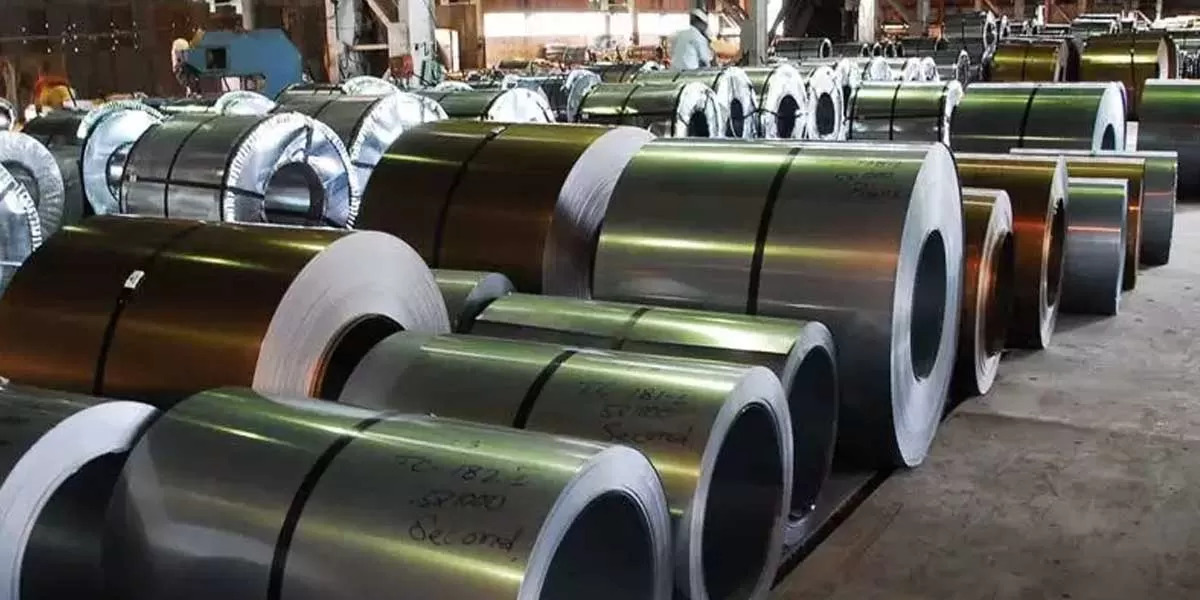
The proposed mega steel plant is a cornerstone of this ambitious agenda, with land acquisition for the project set to commence imminently. The company involved has already deposited the necessary funds, signalling a robust commitment to the investment. This project, coupled with plans for nine other industrial facilities, is expected to inject substantial capital into the local economy, creating a multitude of direct and indirect employment opportunities. The emphasis on industrialisation is not merely about economic output but about fostering a diversified and resilient economic base that benefits all segments of the population, including women through targeted empowerment schemes.
Parallel to industrial development, the administration is prioritising a sweeping upgrade of the district’s infrastructure. Key projects under review include the Raisuan Airstrip, the Keonjhar Bypass, iconic bridges, and critical road networks such as the Nudurapada-Kaliahata and Pithagola routes, along with the Suakati Double Bridge over the Baitarani River. Officials have been directed to expedite land acquisition, prepare detailed project reports, and resolve forest-related clearances promptly. These infrastructure enhancements are crucial for improving logistical efficiency, reducing carbon emissions from transportation, and ensuring seamless connectivity for both commercial activities and community access.
The development strategy extends beyond physical infrastructure to encompass robust public welfare initiatives. The district has demonstrated exemplary progress in implementing schemes like the Subhadra Yojana and Lakhpati Didi Yojana, which are designed to empower women economically and foster self-reliance. The focus on such programmes reflects a deep commitment to gender equality and social inclusion, ensuring that the benefits of industrial growth are widely distributed and contribute to a more equitable society. Furthermore, comprehensive plans are being formulated to promote tourism and renewable energy, alongside addressing critical issues such as drinking water shortages.
This integrated approach signifies a transformative period for Keonjhar. By balancing industrial ambition with environmental responsibility and social equity, the district is setting a new standard for development in mineral-rich regions. The concerted efforts to resolve long-standing issues, coupled with strategic investments in green technologies and community empowerment, are designed to create a vibrant, resilient, and inclusive urban centre. The vision for Keonjhar is not just about economic prosperity but about building a sustainable future where human well-being and ecological balance are paramount.