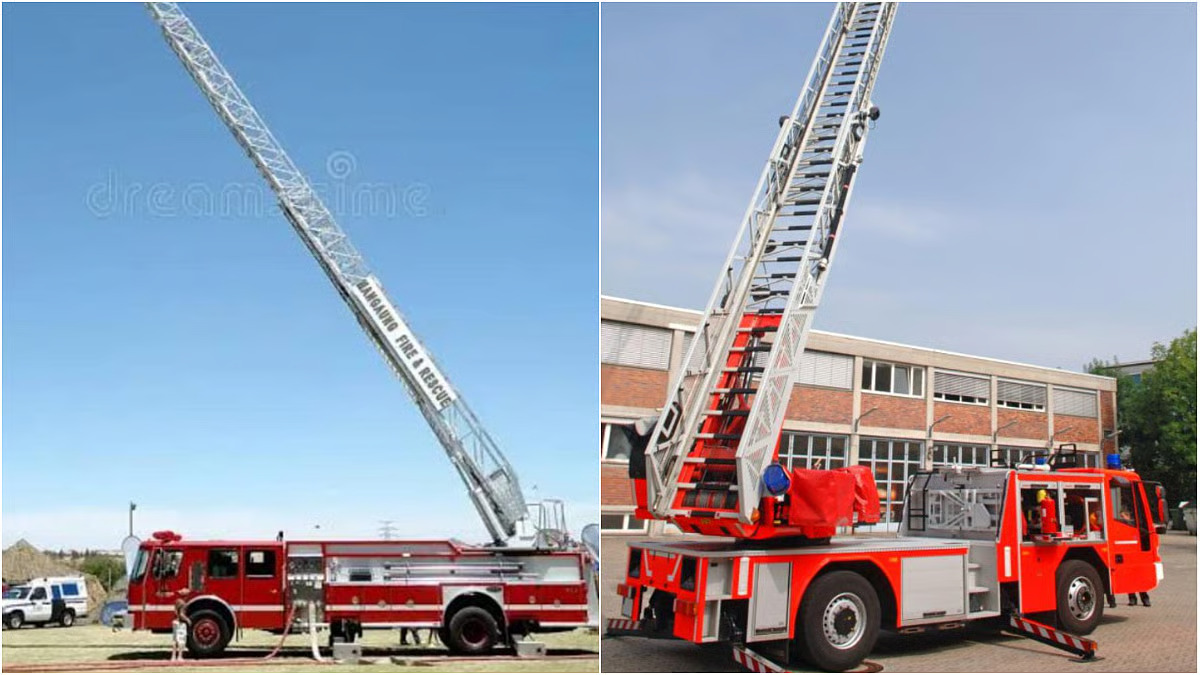
Facing the pressures of rapid vertical growth, the Kalyan Dombivli Municipal Corporation is moving to upgrade its firefighting capabilities with plans to procure a 70-metre hydraulic ladder, aimed at improving emergency response in high-rise buildings across the region. The proposal reflects increasing urgency among urban authorities to align safety infrastructure with changing building typologies.
The planned induction comes at a time when the city’s skyline has expanded significantly, with a surge in residential towers and mixed-use developments. Fire safety experts note that conventional equipment is often inadequate for upper floors of such structures, making high-reach rescue systems essential for timely intervention. Currently, the civic body faces a critical gap in its preparedness. Its existing 55-metre hydraulic ladder has remained non-operational for an extended period due to technical issues and delays in sourcing specialised components. Officials indicate that repair efforts are underway, with external technical support expected to restore functionality. However, the downtime has exposed vulnerabilities in emergency response during high-rise incidents.
Urban planners highlight that such infrastructure gaps are increasingly risky in dense urban clusters like Kalyan and Dombivli, where access constraints and congestion can delay firefighting operations. In these contexts, advanced hydraulic ladders can significantly reduce response times and improve evacuation capabilities. Alongside equipment upgrades, the administration is also tightening regulatory frameworks. A standardised protocol for fire safety compliance is being rolled out, requiring regular inspections and audits of electrical systems and firefighting installations in residential and commercial buildings. Experts stress that such preventive measures are critical, as a majority of urban fire incidents are linked to electrical faults and maintenance lapses.
However, infrastructure alone may not be sufficient. The fire department continues to face manpower shortages, operating with a workforce far below sanctioned strength. Civic representatives and policy observers argue that without adequate staffing, even advanced equipment may not deliver the intended outcomes. Recruitment and training are being flagged as immediate priorities to support the proposed upgrades. In parallel, private sector participation is also emerging as a supplementary solution. A large township development in the region is expected to include an on-site fire station equipped with high-capacity response systems. While such arrangements can enhance localised preparedness, experts caution that public fire services must remain the backbone of urban emergency response.
From a governance perspective, the developments point to a broader shift in how cities approach fire safety in the era of vertical urbanisation. Integrating modern equipment, regulatory enforcement, and workforce expansion is increasingly seen as essential to building resilient urban systems. As Kalyan-Dombivli continues to grow, the effectiveness of these measures will depend on timely execution and sustained investment. Ensuring that safety infrastructure keeps pace with real estate expansion will be critical to protecting lives and maintaining confidence in the region’s urban development trajectory.
KDMC Plans 70 Metre Ladder For High Rise Safety