Kathmandu Floods Damage 10 Hydropower Plants But Power Exports Remain Steady
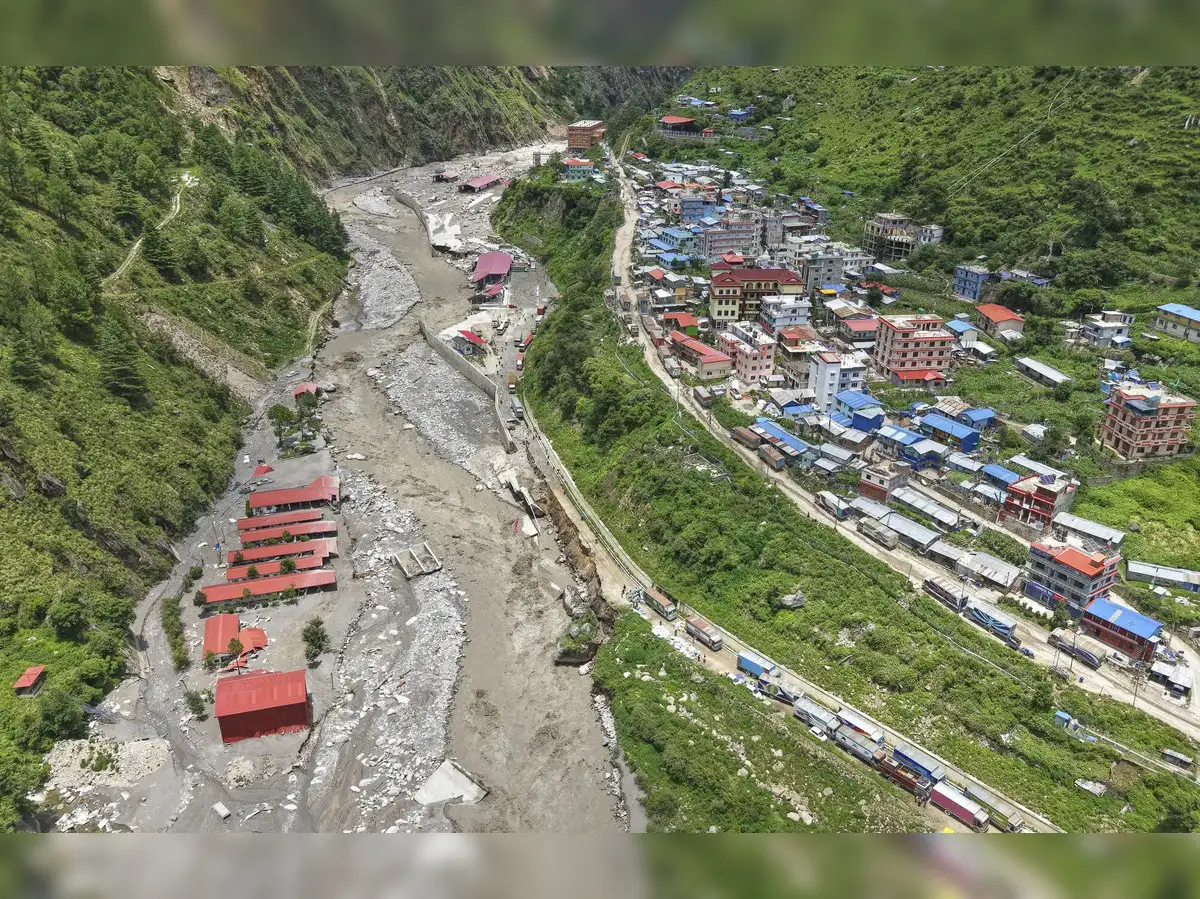
Ten hydropower projects across Nepal’s Rasuwa and Nuwakot districts have sustained major infrastructure damage after intense flash floods—likely triggered by a glacial lake outburst near the China border—swept through the Bhotekoshi and Trishuli river valleys. Despite the impact on power infrastructure, authorities say Nepal’s electricity exports to India and Bangladesh remain largely unaffected, with only minor reductions.
The resilience of the energy network has kept disruptions to a minimum, even as damage assessments and repair efforts continue. Officials from Nepal’s independent power industry have confirmed that seven functional hydropower facilities with a combined capacity of 251 MW were forced offline. These include the 111 MW Rasuwagadhi project, Trishuli 3A (60 MW), Trishuli (25 MW), and the 22 MW Chilime plant, among others. A further 350 MW worth of projects under construction—such as the Upper Trishuli (216 MW) and Super Trishuli (100 MW)—have also sustained damage, though repair timelines are currently under review. However, energy authorities maintain that the event will not significantly impact the country’s daily electricity exports.
On average, Nepal transmits around 600 MW of power to India, with recent reductions bringing the figure slightly down from a high of 650 MW. Officials assert that except for the Rasuwagadhi plant, most affected units will resume operation within a month, with some being repaired in a matter of days. Despite the scale of disruption, experts point to Nepal’s growing resilience in regional energy trade. The incident has raised important questions around the vulnerability of high-altitude infrastructure to climate-induced events like glacial lake outbursts and flash floods.
In this context, energy analysts advocate for stronger disaster-resilient planning, especially in transboundary river zones that serve as lifelines for cross-border electricity trade. As Nepal navigates a path toward climate-resilient development, its energy sector’s rapid response and contingency capabilities will play a defining role in ensuring continued stability in South Asia’s evolving power dynamics.