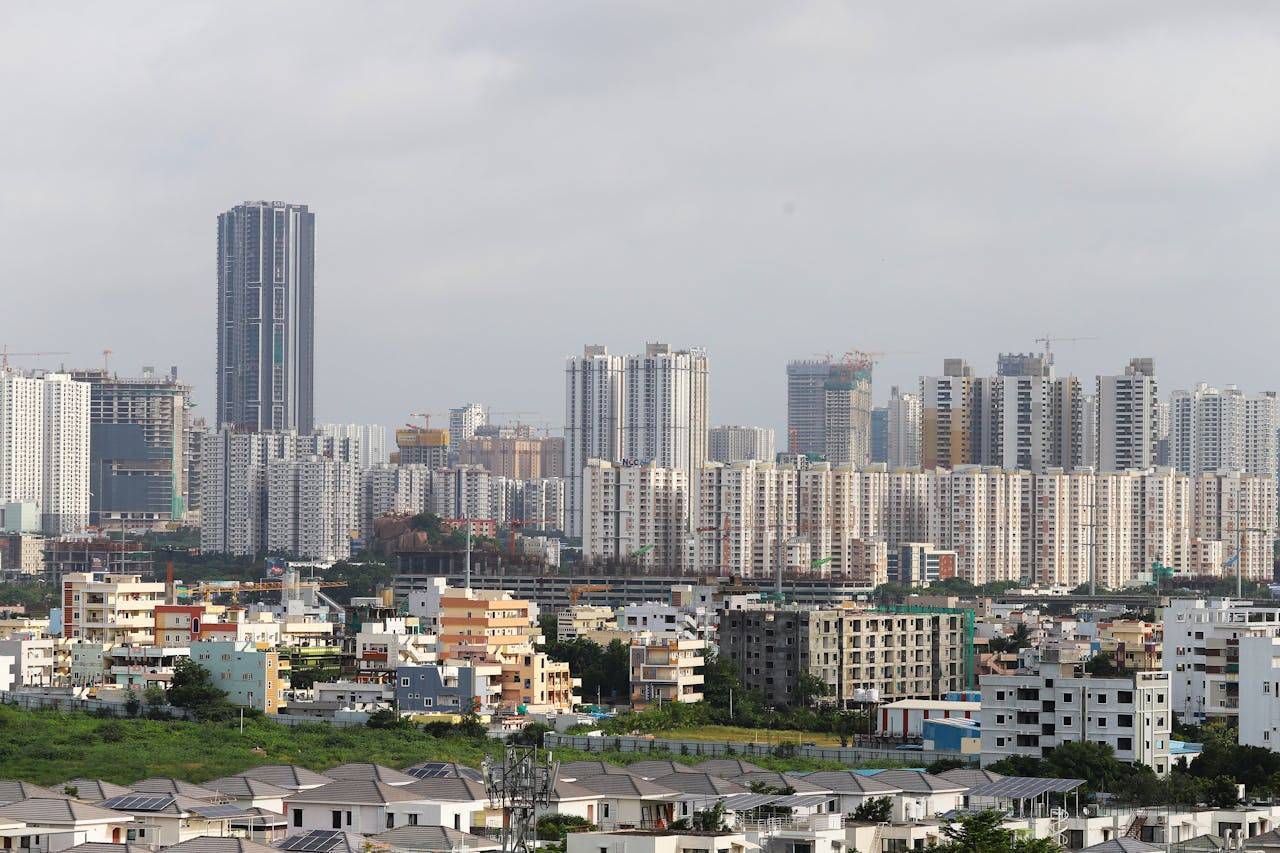
Karnataka’s latest fiscal roadmap is setting the stage for a structural shift in urban development, with Bengaluru emerging as a key beneficiary. A mix of digital land reforms, large-scale infrastructure investments and regional growth strategies is expected to enhance transparency and improve investor confidence, while reshaping how property markets function across the state.
At the centre of these changes is the government’s push towards digitised land administration. The rollout of an integrated, paperless property registration ecosystem is aimed at reducing procedural delays and limiting reliance on intermediaries. Urban planners note that such systems can significantly cut transaction friction, a longstanding challenge in India’s real estate sector. For homebuyers, this could translate into more predictable timelines and fewer disputes over ownership records. Complementing this effort is the proposed consolidation of multiple land databases into a unified geospatial platform. By linking fragmented records across departments, authorities aim to improve accuracy in land titles and simplify approvals. Industry experts say this could reduce project delays and improve compliance, particularly for large housing and mixed-use developments that often face regulatory bottlenecks.
The Karnataka Budget real estate framework also underscores a strong infrastructure-led growth strategy. In Bengaluru, investments in road networks, including new tunnel corridors and arterial upgrades, are expected to ease congestion in a city grappling with rapid expansion. Improved mobility has historically unlocked new real estate corridors, and similar outcomes are anticipated as peripheral areas become more accessible. Public transport remains another critical pillar. The expansion of metro connectivity and progress on suburban rail networks are likely to reshape commuting patterns, bringing emerging residential zones closer to employment hubs. For a city where long travel times impact quality of life, these developments could encourage more balanced urban growth and reduce pressure on core areas.
The Karnataka Budget real estate outlook also reflects a shift towards decentralised development. Policymakers are placing renewed emphasis on strengthening secondary cities as economic centres, particularly in the technology and services sectors. This approach is expected to distribute housing demand more evenly, reducing overdependence on Bengaluru while opening new investment opportunities in smaller urban clusters. However, market participants are closely watching proposed revisions to property valuation benchmarks, which could increase transaction costs in the near term. While such measures aim to align official rates with market realities, they may temporarily influence buying sentiment, especially among first-time purchasers.
From a sustainability perspective, the focus on transit-oriented development and digital governance could support more efficient land use and reduce urban sprawl. Experts argue that integrating infrastructure planning with housing growth will be crucial to building resilient, low-carbon cities that can accommodate future population pressures. As these policies take shape, their success will depend on implementation and coordination across agencies. If executed effectively, the reforms could mark a turning point for Karnataka’s urban landscape creating a more transparent, connected and inclusive real estate ecosystem in the years ahead.