


Karnataka is rapidly emerging as a frontrunner in India’s electric vehicle (EV) charging infrastructure, securing the second position nationally for public EV charging stations along its expansive National Highway network. With 489 chargers spanning 8,191 kilometres of highways, the state is pivotal in encouraging long-distance electric travel. This significant progress, coupled with its dominant lead in urban EV infrastructure, underscores a transformative shift towards sustainable and eco-friendly transportation, crucial for building zero net carbon and equitable urban environments across the nation.
Nationally, India now boasts 4,557 public EV charging stations across over 146,000 kilometres of National Highways. While Uttar Pradesh currently leads with 507 highway chargers, Karnataka’s robust second-place standing, followed closely by Maharashtra (459), Tamil Nadu (456), and Rajasthan (424), highlights a growing commitment to electric mobility across diverse regions. This expansion is critical for alleviating range anxiety among potential EV adopters, making electric travel a more viable and convenient option for inter-city journeys.
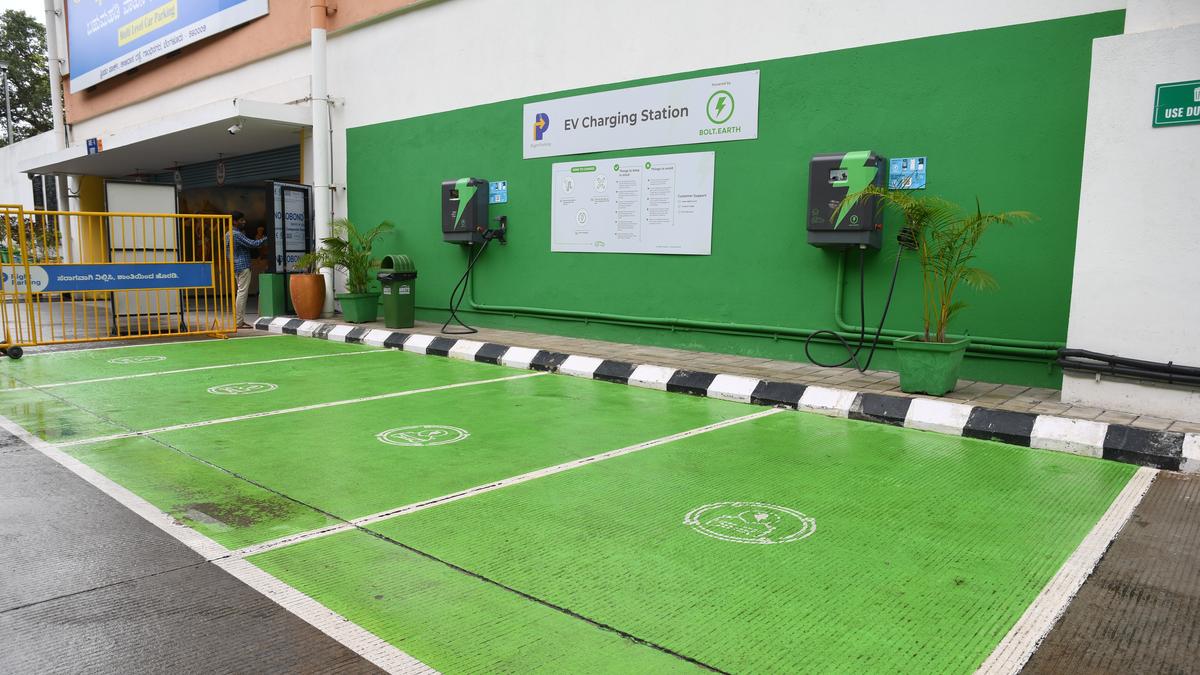
Beyond highways, Karnataka demonstrates an unparalleled commitment to urban EV infrastructure. Data from April 2025 reveals the state hosts 5,880 public EV charging points, the highest in the country. A substantial 4,626 of these are concentrated in tier-1 cities, predominantly Bengaluru, showcasing a concentrated effort to electrify urban commutes. This robust urban network, established over the past five years, significantly outpaces Maharashtra’s 2,454 and Delhi’s 1,951 stations, reflecting the impact of proactive government policies, including Karnataka’s pioneering EV policy introduced in 2017.
The state’s strategic vision extends to fostering a comprehensive clean mobility ecosystem. The 2025–26 State Budget introduced initiatives for a state-of-the-art EV testing track and an exclusive EV manufacturing and research and development hub within the Bengaluru region. These investments aim to attract ₹50,000 crore and generate 100,000 new jobs in the clean mobility sector, positioning Karnataka as a global leader in green technology. Furthermore, the Transport Department plans to deploy 14,750 electric buses, with 9,000 slated for the Bengaluru Metropolitan Transport Corporation fleet, reinforcing the commitment to electrifying public transport and reducing urban pollution.
Experts emphasise that the widespread availability of charging stations, particularly along highways and extending into tier-2 and tier-3 cities and interior roads, is paramount for mainstream EV adoption. The ongoing trend of traditional fuel stations integrating EV chargers is a positive sign, but further efforts are needed to ensure interoperability, standardised tariffs, and real-time data on charger availability. Only when charging becomes as ubiquitous and effortless as refuelling traditional vehicles will the full potential of electric mobility be realised, paving the way for truly sustainable and accessible urban living.
Also Read :Maharashtra Targets 30 Percent EV Adoption Across State by 2030
