Karnataka Project Directions Stayed For BMIC Corridor
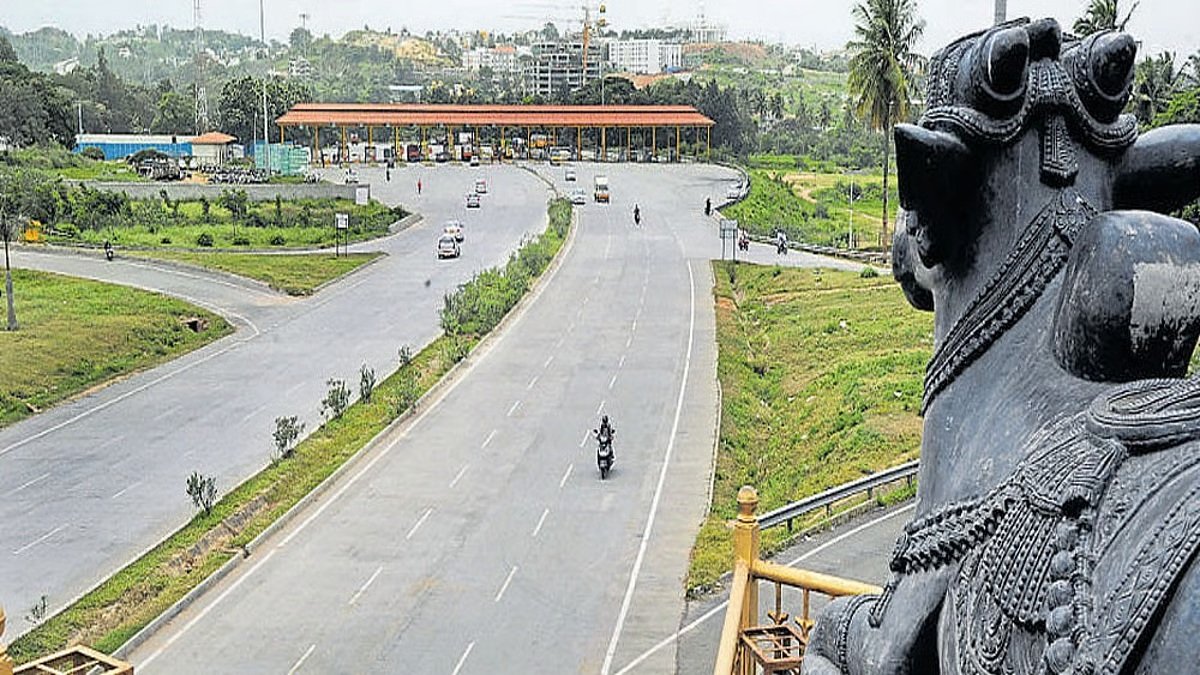
The Supreme Court has temporarily suspended critical Karnataka High Court directives on the long-stalled Bengaluru-Mysuru Infrastructure Corridor (BMIC), keeping alive the debate over the region’s flagship expressway and associated township development. The court’s interim order, issued on February 16, follows an appeal by the implementing company, Nandi Infrastructure Corridor Enterprise (NICE), and halts parts of the High Court ruling that called for a complete reassessment of the project’s framework.
The BMIC project, conceived in the mid-1990s as a 111-kilometre integrated corridor linking Bengaluru and Mysuru, was designed to combine expressways with residential and industrial townships, commercial hubs, power and water infrastructure. Yet, over 25 years later, only one kilometre of the main expressway has been completed, with peripheral roads partially operational and generating toll revenue. The High Court had directed the Karnataka government to scrap the existing Framework Agreement (FWA) and develop a new plan, citing persistent delays, administrative bottlenecks, and alleged mismanagement.
Urban planners and infrastructure analysts highlight that such delays have compounded Bengaluru’s traffic congestion, particularly as the city’s population now exceeds 1.4 crore. The stalled BMIC corridor has failed to relieve pressure on existing transport networks or catalyse planned satellite townships. Experts note that a piecemeal approach to infrastructure development can strain municipal budgets, distort land markets, and undermine equitable access to mobility and urban services. Environmental sustainability concerns are also central to the debate. The High Court had emphasised that incomplete infrastructure can exacerbate land degradation and ecological disruption, as peripheral roads and ancillary developments advance without the holistic urban planning initially envisaged. A senior urban development official commented that revisiting the project framework could allow incorporation of climate-resilient planning, low-carbon transport solutions, and inclusive zoning for residential and commercial spaces, aligning the corridor with contemporary sustainability standards.
Economically, the corridor remains a case study in long-term project risk management. Delays and legal uncertainty discourage private investment and reduce the potential for industrial and residential growth along the proposed route. Stakeholders argue that clarity on legal and contractual frameworks is essential before fresh planning or capital allocation can proceed. The Supreme Court’s stay keeps the matter under judicial scrutiny while allowing NICE and the state government to respond to procedural questions. Observers note that the outcome will shape not only the BMIC’s future but also set precedent for accountability and structured planning in India’s high-value urban infrastructure projects. Moving forward, officials suggest that integrating sustainable mobility, equitable land use, and robust governance mechanisms will be critical if the corridor is to fulfil its original promise and support Bengaluru’s expanding urban footprint.