


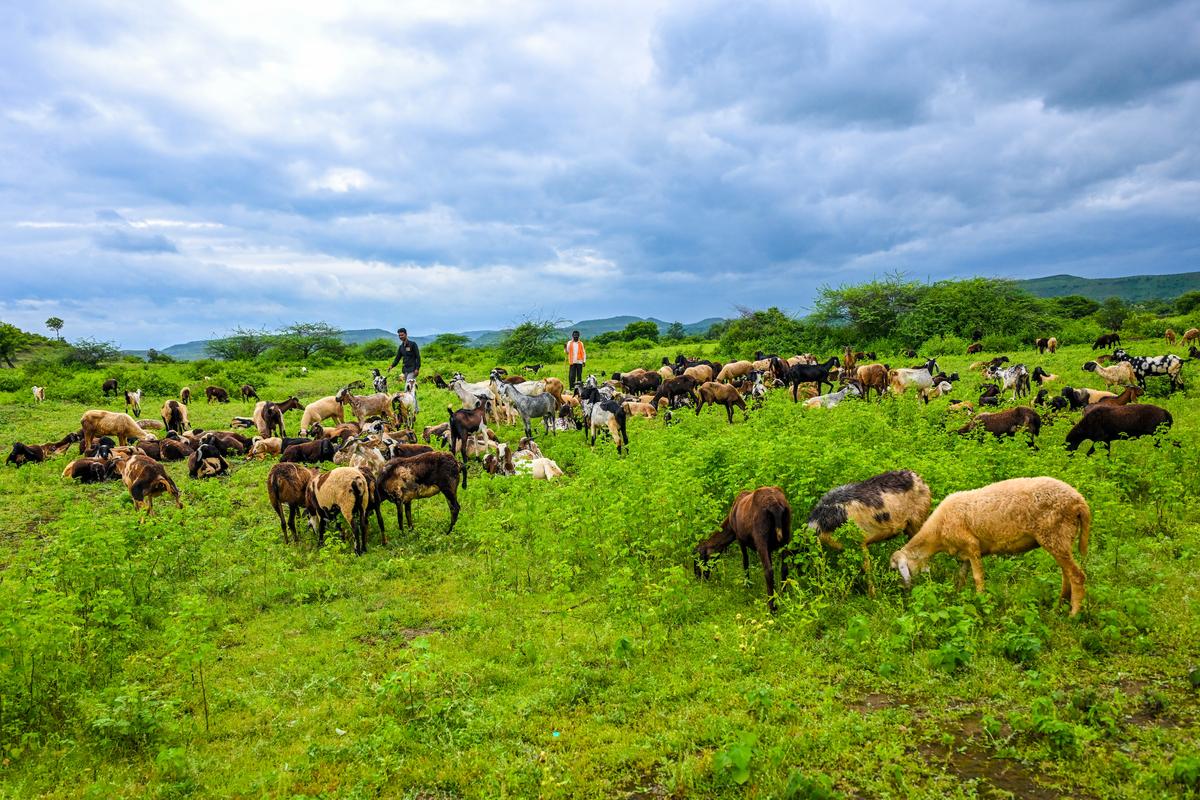
The Karnataka Forest Department has been directed to initiate a comprehensive ban on the grazing of livestock, including cattle, goats, and sheep, across all state forest areas. This crucial directive comes amidst escalating concerns from environmental experts and wildlife conservationists regarding the severe impact of unchecked grazing on forest health and wildlife safety. The move underscores a determined shift towards more stringent conservation policies, vital for maintaining ecological balance and promoting sustainable resource management within the state’s diverse natural habitats.
The primary impetus behind this significant policy change is the observable degradation of natural forest regeneration. Livestock grazing often results in the consumption of newly sprouted seedlings, directly impeding the growth of new vegetation and progressively diminishing forest cover. This loss of green cover has broader ecological ramifications, notably affecting the health and flow of rivers that originate or traverse these forested regions, thereby potentially disrupting Karnataka’s critical water systems and influencing urban and rural water security. Such degradation also impacts carbon sequestration efforts, critical for broader climate goals.
Furthermore, the presence of domestic animals within forest ecosystems exacerbates fodder shortages for indigenous wild herbivores, such as deer and elephants, a situation that escalates the risk of human-wildlife conflict in fringe areas. Beyond competition for resources, livestock entering forests from adjacent villages pose a serious threat of transmitting infectious diseases to wild animal populations, imperilling the state’s rich biodiversity. The complexities are compounded by cross-border issues, with reports of herders from neighbouring states, where similar bans are in place, driving their animals into Karnataka’s protected areas.
The implications of continued grazing extend to human safety as well. Instances of herders being injured or killed during wildlife encounters within forest limits are not uncommon, yet existing legal frameworks offer no compensation for such tragic events. Moreover, these conflicts can lead to retaliatory actions by villagers, such as the poisoning of livestock carcasses after predatory attacks, which has regrettably resulted in the deaths of several wild animals, disrupting delicate food chains. This multifaceted problem demands a decisive policy intervention to protect both human and animal lives.
In light of these pressing concerns, officials have been instructed to pursue appropriate legal avenues to enforce the restriction and prohibition of grazing in forest areas. This proactive measure is deemed essential not only for the preservation of wildlife but also for the broader ecological balance that sustains the health of the state’s rivers and contributes to a more sustainable future for both urban and rural communities. By safeguarding its vital forest ecosystems, Karnataka is reinforcing its commitment to environmental stewardship and ensuring the long-term resilience of its natural capital for generations to come.
Also Read :Lucknow Plants 2.14 Crore Saplings Along 82 Rivers, Revives Ecosystems
