


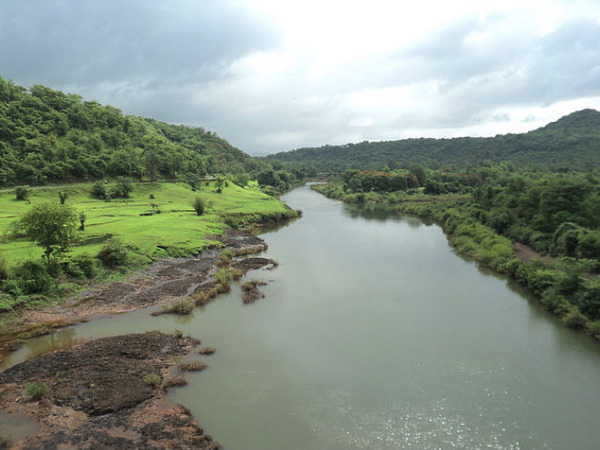
Karnataka and Goa over the Kalasa-Banduri canal project on the Mahadayi River, with Karnataka launching a pointed rebuttal against allegations raised by Goa following a recent inspection.
The inspection, conducted by the PRAWAH team under the Jal Shakti ministry’s oversight, was intended to assess compliance and adherence to regulatory norms by Karnataka. The Karnataka government, through officials from its irrigation department, has vehemently refuted Goa Chief Minister Pramod Sawant’s claims of illegal construction at the Kalasa-Banduri project site. According to Karnataka’s assertions, the inspection team found no evidence of violations, affirming that all procedures were conducted within stipulated legal frameworks.
PRAWAH, comprising representatives from Goa, Karnataka, and Maharashtra, was established to oversee water management issues in the Mahadayi basin, including the implementation of directives from the Mahadayi Water Dispute Tribunal’s 2018 award. The tribunal allocated 13.42 thousand million cubic feet (TMC) of water to Karnataka, amidst objections and legal challenges from Goa, which opposes any diversion of Mahadayi’s waters affecting its own water security. The recent inspection, prompted by Goa’s concerns, included visits to project sites along the Goa-Karnataka border, specifically Chorla-Kankumbi, culminating in a joint meeting in Bengaluru involving officials from all three states. Karnataka officials have expressed satisfaction with the inspection outcomes, asserting transparency and compliance with regulatory requirements.
Goa’s Chief Minister defended the state’s stance, emphasizing the independence and impartiality of PRAWAH’s investigations. He underscored the need for fair assessments amid ongoing disputes over water allocation and usage rights. The Kalasa-Banduri project aims to augment water supply to several Karnataka districts, including Savadatti, Ramdurg, Hubballi-Dharwad, Naragund, and Navalgund, addressing long-standing demands from local communities and farmer associations. Karnataka has faced significant public pressure, including protests and bandhs, advocating for the project’s implementation to alleviate water scarcity issues.
As the PRAWAH team prepares to submit its findings to the central government, the Mahadayi river dispute continues to test inter-state relations and legal frameworks governing water resources management in India. Both Karnataka and Goa await the next steps in a saga that intertwines developmental aspirations with environmental concerns and interstate politics.
