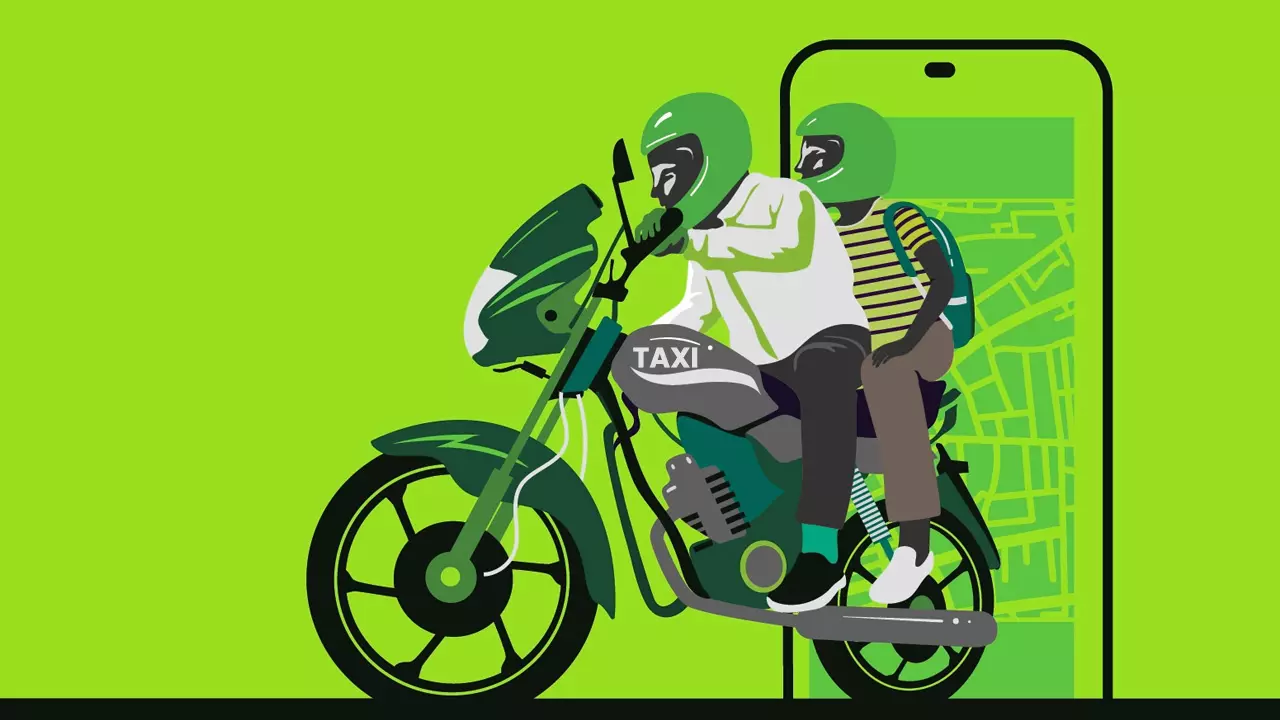
Bike taxi services across Karnataka, especially in Bengaluru, will cease operations following a Karnataka High Court ruling that upheld the state government’s ban. The decision delivers a significant blow to over one lakh gig workers who depend on two-wheeler ride-hailing for their daily survival, particularly in a city already grappling with limited last-mile transport solutions.
The ban, justified by officials on grounds of commuter safety, helmet standards, and regulatory gaps, has drawn strong opposition from driver unions. The Namma Bike Taxi Association has appealed to national political leadership, including the Leader of Opposition in the Lok Sabha, urging intervention to reverse the state government’s directive. The Association’s letter paints a picture of daily hardship, asserting that for many riders—students, daily wage earners, and sole breadwinners.
For them, the ban has cut off a crucial income stream, one that had become particularly vital in the post-pandemic gig economy. According to the Association, nearly 8 crore bike taxi rides are made annually in Karnataka, offering commuters affordable and efficient last-mile connectivity in a city where public transport often fails to reach narrow lanes and peripheral areas. The Association argues that instead of dismantling the sector, the state should regulate it through licensing, training, and insurance measures.
The Karnataka government’s blanket ban on bike taxis has sparked criticism from urban mobility experts and gig economy advocates, who argue the move overlooks their role in easing congestion and cutting emissions. As Bengaluru aims for sustainable transit under national green city goals, many see two-wheeler taxis as essential last-mile solutions. Experts suggest that regulating, rather than banning, these services—especially with electric vehicle mandates—could better align with the state’s net-zero ambitions.
Amid rising protests, the ban has also revealed contradictions in Karnataka’s gig worker policies. While the state introduced social security and insurance for informal workers, revoking their right to operate undermines these gains. Thousands of riders, including students and sole breadwinners, now face income loss. Stakeholders are urging the government to hold inclusive consultations and introduce clear regulatory frameworks instead of enforcing blanket bans that threaten livelihoods and urban transport efficiency.
Stakeholders insist that the solution lies not in a ban, but in building transparent, worker-focused regulation that enables safe and equitable urban transport. The state government has not yet indicated any willingness to review its decision. But as pressure builds from gig workers, commuters, and mobility experts, the spotlight remains firmly on Karnataka’s approach to balancing regulation, equity, and sustainability in its transport policies.