


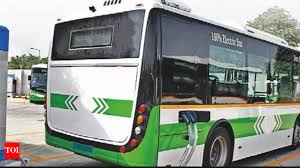
The Uttar Pradesh State Road Transport Corporation (UPSRTC) has introduced 40 new electric buses to its fleet, enhancing connectivity between major urban centres like Kanpur, Lucknow, and Prayagraj. This strategic addition, increasing the regional air-conditioned bus count to 100, marks a significant stride towards Uttar Pradesh’s commitment to fostering zero-net carbon, eco-friendly, sustainable, gender-neutral, and equitable cities, underscoring a vital shift in public transportation infrastructure across the state.
The deployment of these electric buses represents a pivotal investment in the future of urban and intercity transit across Uttar Pradesh. For a state witnessing rapid urbanisation, embracing advanced, environmentally conscious mobility solutions is paramount. The operational management entrusted to RG Mobility Company, starting September 2025, on key routes such as Kanpur to Lucknow, Rae Bareli, and Prayagraj, signifies a progressive approach to improving commuter convenience and reliability. This initiative is expected to set a new benchmark for comfortable and efficient intercity travel, directly impacting the daily lives of thousands of citizens.
A crucial facet of this expansive initiative is the parallel development of robust supporting infrastructure. Construction is actively underway for a new bus terminal in Azad Nagar and a dedicated charging station in Vikas Nagar. The Azad Nagar facility, equipped with six charging points capable of simultaneously charging up to 12 e-buses, illustrates a forward-thinking approach to operational logistics. This critical infrastructure ensures the seamless integration and sustained operation of the electric fleet, mitigating potential charging bottlenecks and reinforcing the long-term viability of this green transport model. Such investments are fundamental to scaling eco-friendly initiatives effectively.
The strategic transition to electric buses brings a multitude of environmental benefits. The elimination of tailpipe emissions from these vehicles will contribute directly to improved air quality in urban corridors, mitigating pollution and fostering healthier living environments for residents. This aligns perfectly with the broader agenda of achieving zero-net carbon cities, where public transportation plays a leading role in decarbonisation efforts. Furthermore, the adoption of electric mobility promotes energy independence and reduces reliance on fossil fuels, enhancing the state’s resilience against volatile global energy markets, a key component of sustainable economic growth.
From a socio-economic standpoint, this expansion of accessible, air-conditioned public transport fosters greater equity and gender neutrality in mobility. Reliable and comfortable public transit empowers diverse segments of the population, including women, students, and daily wage earners, by providing safer, more predictable, and affordable travel options. Mahesh Kumar, Regional Manager of Transport Corporation, highlighted the collaborative nature of this venture, noting the Memorandum of Understanding (MoU) with RG Mobility Company for operations and the ongoing infrastructure development. The ultimate goal is to create a more connected and inclusive Uttar Pradesh, where sustainable mobility is a right, not a luxury.
The UPSRTC’s decision to significantly augment its electric bus fleet underscores a holistic vision for the state’s urban development. It is not merely about adding new vehicles; it is about redefining urban mobility to be cleaner, more efficient, and more equitable. This proactive step sets a compelling precedent for other regions, demonstrating how strategic public sector initiatives, coupled with modern technology and infrastructure, can profoundly transform cities, making them more resilient, environmentally responsible, and fundamentally better places to live for all their inhabitants.
Also Read: India Eyes Wastewater as Key to Solving Urban Water Crisis by 2050
