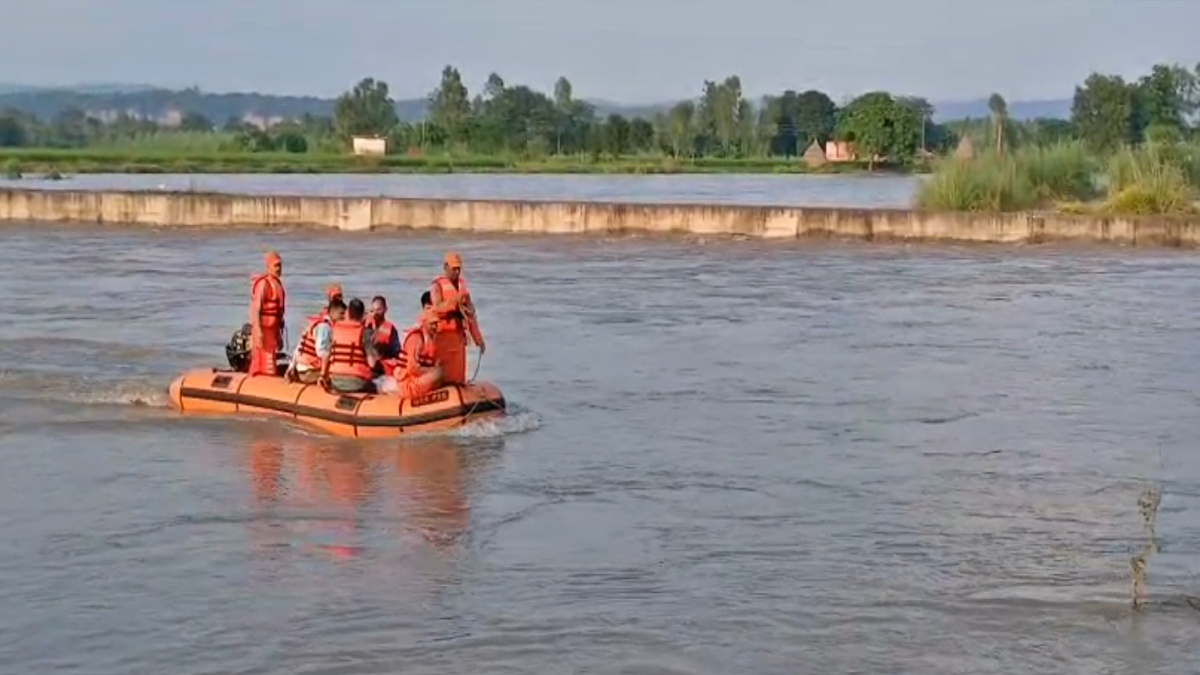
Kangras Twenty-Seven Panchayats Flooded Following Massive Pong Dam Release
Kangra’s rural heartland is grappling with an unprecedented humanitarian and environmental crisis as 27 local administrative divisions have been inundated by water released from the Pong Dam, compounded by recent heavy rainfall. The extensive flooding has caused widespread devastation to private properties and agricultural lands, disrupting the lives of countless families. This incident underscores the critical need for robust, eco-friendly infrastructure and proactive disaster management strategies to build equitable and resilient communities in the face of escalating climate volatility.
Local representatives have brought the dire situation to the attention of state officials, noting that these villages have experienced flooding on a scale never seen before. A senior official has acknowledged the severity of the crisis, reassuring the public of the government’s commitment to providing immediate relief and undertaking comprehensive restoration efforts. The sheer volume of water—reportedly 10 lakh cusecs—released from the dam has caused significant damage to residential buildings and completely submerged large tracts of agricultural land and orchards, threatening the economic stability of many families dependent on farming. This sudden deluge serves as a stark reminder of the delicate balance between large-scale water management and local community well-being.
The ongoing crisis in the state has brought into sharp focus the wider challenges facing sustainable urban development. Beyond the immediate disaster, the flooding event highlights the vulnerability of existing infrastructure and the pressing need for a paradigm shift in planning and policy. Experts argue that building zero-net carbon and climate-resilient cities requires more than just reactive measures; it demands a long-term strategy that integrates eco-friendly practices, gender-neutral emergency response protocols, and equitable resource distribution. The current plight of these communities serves as a powerful case study for why urban and rural development must be approached holistically, with a focus on mitigating environmental risks and ensuring the safety of all residents, regardless of their location or economic standing.
In response to the growing public concern, officials have pledged to conduct a thorough survey of the affected areas to assess the extent of the damage and ensure fair and timely compensation for all affected individuals. While immediate relief is paramount, the broader conversation must now shift towards creating a future where such events are anticipated and managed with sustainable foresight. The unfolding situation reinforces the argument that the state’s development trajectory must align with a green agenda, prioritising infrastructure that coexists with nature rather than overpowering it. This will not only protect citizens from future calamities but also pave the way for a more sustainable and equitable society.