


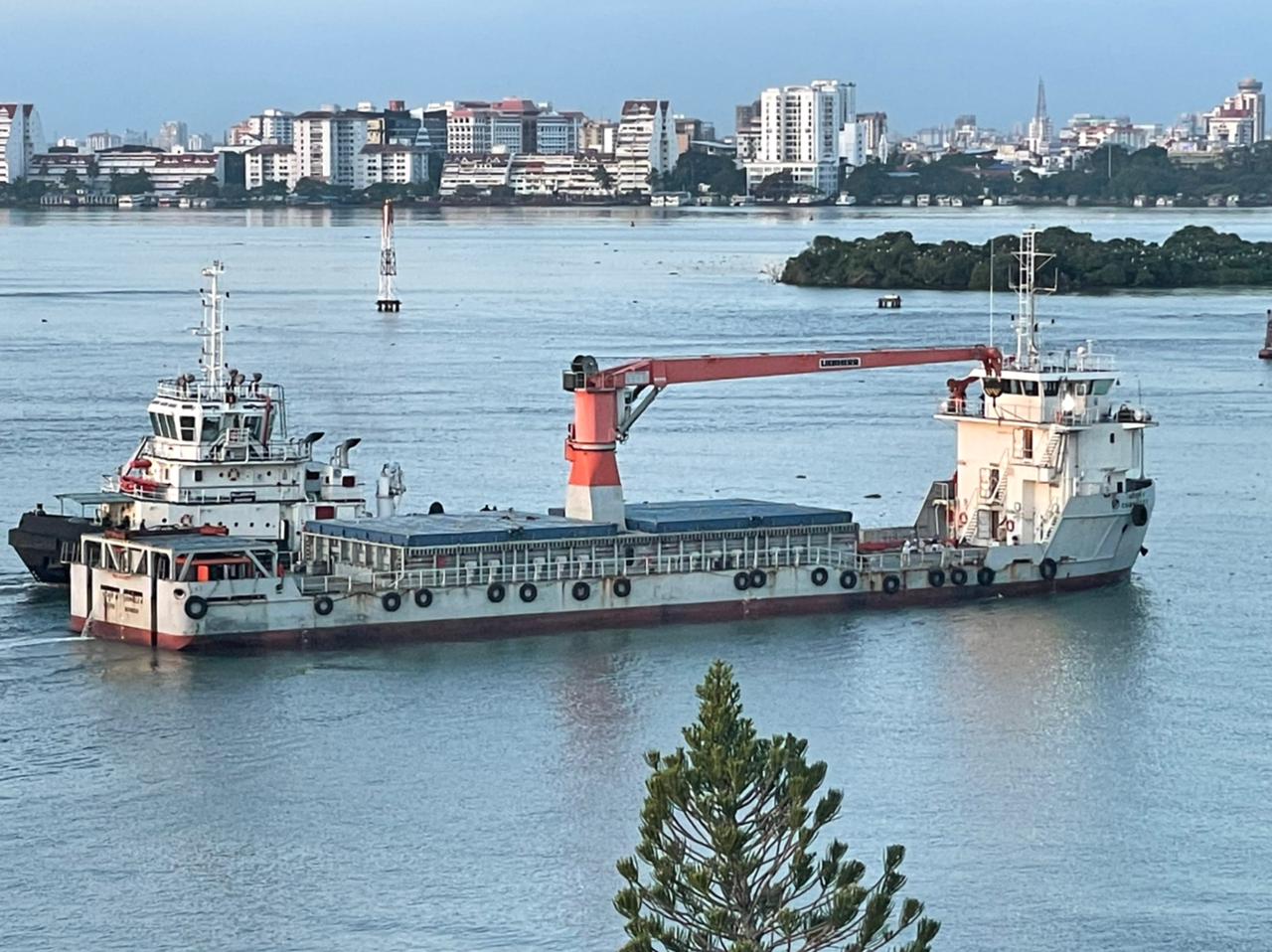
Kandla, Gujarat’s Deendayal Port Authority has reached a landmark moment in India’s clean energy transition by commissioning the nation’s first megawatt-scale green hydrogen plant. This pioneering “Make-in-India” initiative, a key component of a larger 10-megawatt project, positions the port as a frontrunner in sustainable maritime operations and propels India closer to its ambitious net-zero targets. The facility is set to produce a substantial volume of green hydrogen annually, significantly contributing to the decarbonisation of port activities.
The newly operational 1-megawatt green hydrogen plant at the Deendayal Port Authority (DPA) is a monumental step towards a sustainable maritime future. The facility, which has a production capacity of approximately 140 metric tonnes of green hydrogen per year, was completed in a record four months. This rapid project execution, a shining example of “speed, scale, and skill,” has set a new national benchmark for the implementation of green energy infrastructure. The project is a testament to the nation’s growing self-reliance, with the entire ecosystem, including the electrolysers, developed and engineered indigenously by Indian experts.
Beyond its immediate operational impact, the plant serves as a model for how public sector entities can drive the country’s energy transition. The green hydrogen produced will initially power a fleet of port vehicles and street lighting, with future plans to scale up operations to power the entire port. This initiative underscores a commitment to replacing fossil fuels with cleaner alternatives, thereby drastically reducing the carbon footprint of the port—a major hub for trade and commerce. The DPA’s forward-thinking approach aligns with the larger vision of creating eco-friendly and equitable urban spaces.
This green hydrogen initiative is a significant stride under the National Green Hydrogen Mission and Maritime India Vision 2030, which are aimed at fostering sustainable growth. The commissioning follows other notable green projects at the port, including the deployment of India’s first indigenously-built all-electric green tug. By adopting cutting-edge, environmentally responsible solutions, the DPA is not only enhancing its operational efficiency but also inspiring other ports to embrace similar technologies, fostering a nationwide transition towards a zero-net carbon maritime sector.
The project’s success demonstrates a potent synergy between government policy and technological innovation. It highlights India’s potential to become a global leader in the production and adoption of clean fuels. With its indigenous technology and swift implementation, the plant is a beacon of progress, showcasing that a greener, more sustainable future is not just an aspiration but a tangible, achievable reality for the nation’s critical infrastructure.
Also Read :Vadhavan Port to add 23.2 million TEUs capacity boost IMEC connectivity
