


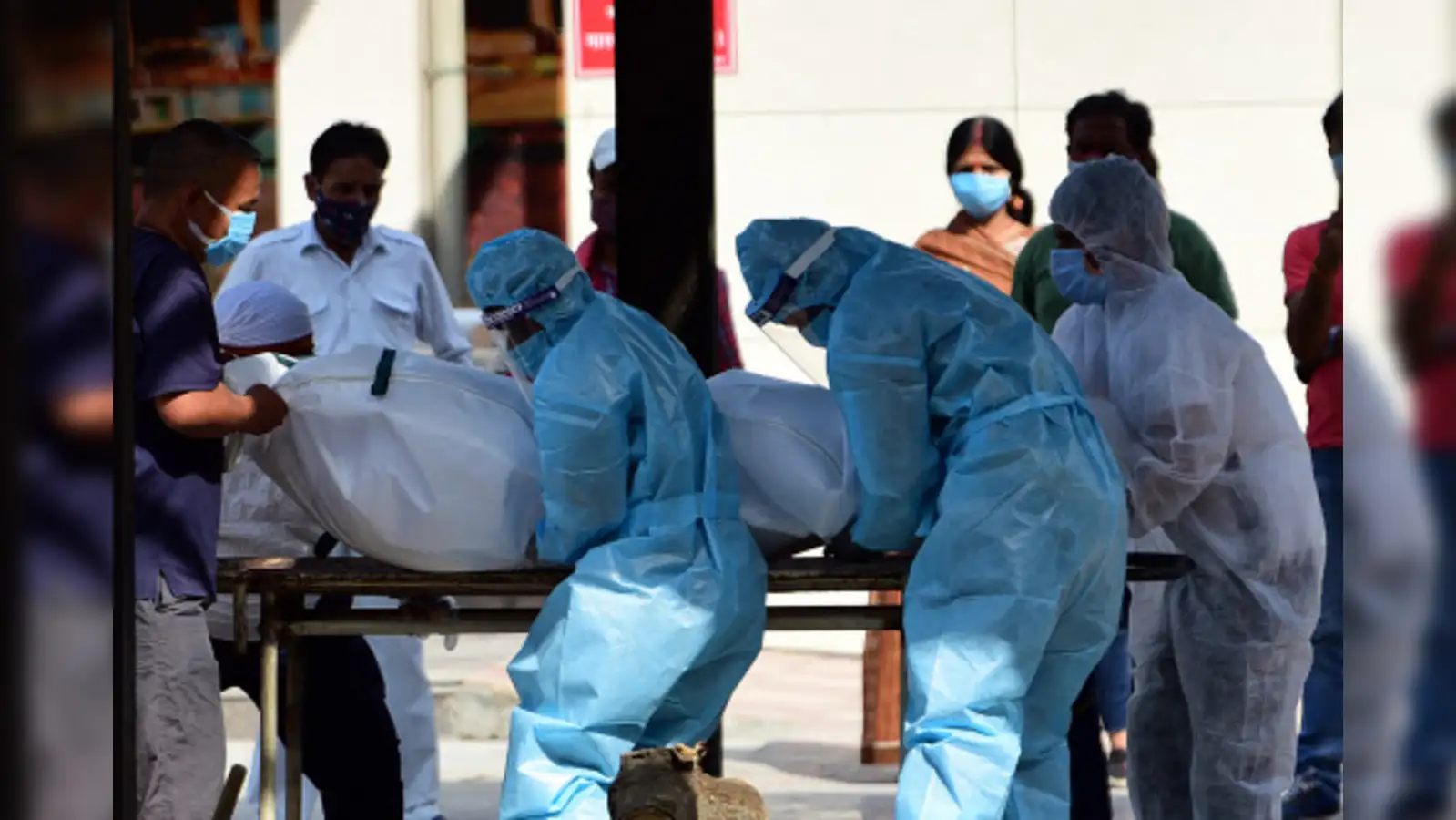
Kalyan-Dombivli, located in the Mumbai Metropolitan Region (MMR), has confirmed its first Covid-19 related death of the current infection wave, signalling growing concern over a potential resurgence in Maharashtra’s urban clusters.
The deceased, a 47-year-old woman, had been under medical supervision at a hospital before succumbing to virus-related complications, according to health officials of the Kalyan-Dombivli Municipal Corporation (KDMC). This marks the first confirmed Covid-19 fatality in Kalyan-Dombivli during the latest uptick in infections reported across several parts of the state, including Mumbai. The official from KDMC’s medical health department confirmed that a total of four Covid-positive individuals have been detected in the municipal limits in recent days, triggering public health alerts and precautionary advisories.
Of the four reported cases, one patient is currently hospitalised in a private facility, another has recovered and been discharged, and the fourth has been transferred to Chhatrapati Shivaji Hospital in Kalwa for continued care. Health authorities have urged residents to remain vigilant and adhere to precautionary measures but stressed that the situation does not warrant panic. “Though we are seeing a rise in isolated cases, the symptoms are largely mild. We are monitoring the patients closely and have strengthened our testing and contact tracing mechanisms,” said a senior official from KDMC’s medical unit.
The confirmation of the death has once again brought the spotlight back on the critical importance of urban health infrastructure readiness. While municipal systems across Maharashtra had scaled up significantly during earlier waves, officials say that public complacency, decreased testing, and reduced masking in dense areas may have contributed to a delayed identification of recent cases. Urban health experts warn that although the virus is no longer causing the same level of hospitalisation or mortality as during peak pandemic waves, the risk to immunocompromised individuals and older adults remains significant. They have reiterated the importance of booster doses, masking in public spaces, and timely medical consultation in the event of respiratory symptoms.
The wider Mumbai Metropolitan Region, encompassing major cities such as Thane, Navi Mumbai, and Mumbai itself, has recorded at least five active Covid-related cases in the past week, according to civic health authorities. While the numbers remain comparatively low, the resurgence is seen as a wake-up call for urban health departments to re-evaluate readiness and reintroduce basic preventive guidelines. What remains deeply concerning for urban planners and public health managers is the nature of response coordination among various civic bodies. A senior official involved in regional pandemic control stated that while the infrastructure for managing outbreaks is in place, public awareness and real-time data dissemination have significantly declined since Covid-19 restrictions were lifted nationally.
“Residents often do not report symptoms, and most private clinics are no longer required to mandatorily notify local authorities. This breaks the early warning chain, especially in high-density residential zones like Kalyan-Dombivli,” the official added. The state’s health department has also issued an internal alert to civic bodies, asking them to scale up wastewater surveillance, random testing in health facilities, and readiness of isolation beds. The emphasis is also on deploying rapid response teams in hotspots, especially in cities where mobility between districts is high, such as Kalyan’s linkage to Mumbai, Navi Mumbai, and Ulhasnagar.
Health economists have long argued that the decentralisation of pandemic management in India must also go hand-in-hand with sustained investments in urban health infrastructure and climate-responsive urban planning. In areas like Kalyan-Dombivli, with dense housing clusters and often inadequate ventilation in low-income settlements, respiratory outbreaks—whether from Covid-19, influenza, or pollution-related causes—have the potential to escalate rapidly if overlooked. While the state is not looking at reinstating large-scale restrictions at this stage, experts say this is the ideal window to recalibrate public health messaging. They also advise residents to be cautious about indoor gatherings, particularly as monsoon approaches, which often correlates with a seasonal spike in viral infections.
In line with a sustainable and people-centric approach, local authorities are also looking at enhancing home-based care support, ensuring energy-efficient and well-ventilated public spaces, and deploying mobile health vans in underserved pockets—an approach that aligns with broader climate-resilient city planning and equitable access to healthcare. The fatality in Kalyan serves as a stark reminder that while the worst of the pandemic may be over, vigilance, preparedness, and community responsibility remain critical in preventing a backslide. For a city working towards being equitable and health-secure, every case is not just a number—it’s a prompt to act with foresight.
Also Read : Delhi Records 104 Active Covid Cases Amid Vigilance
