


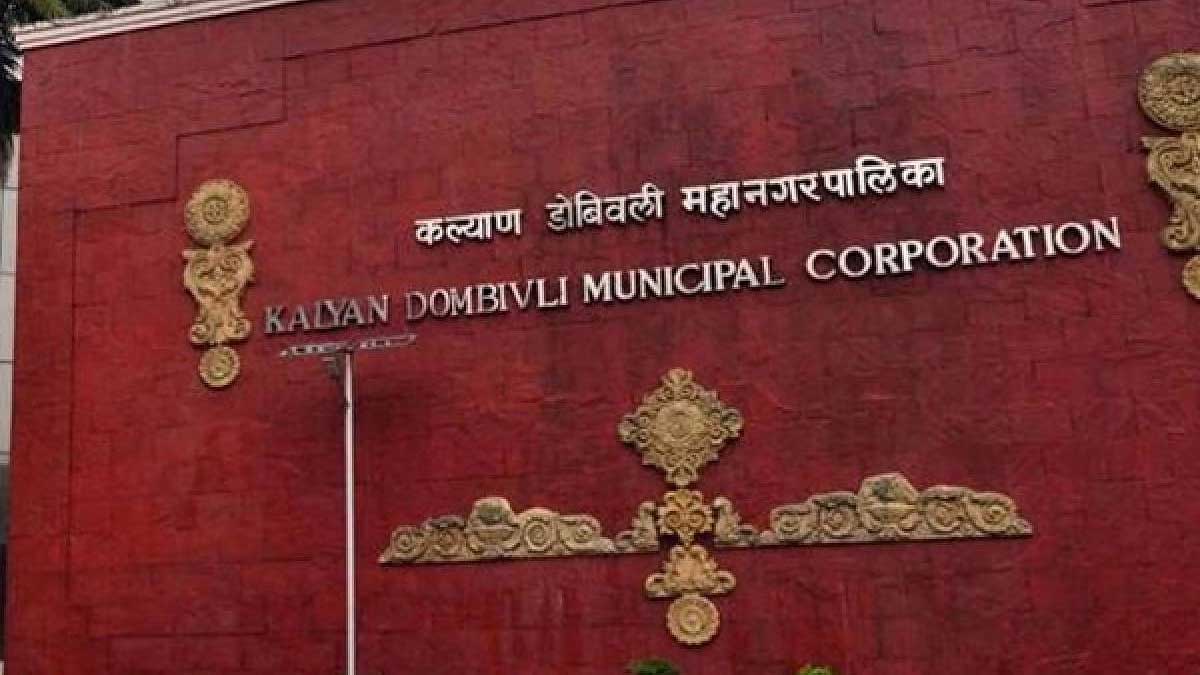
Kalyan-Dombivli Municipal Corporation (KDMC) has penalised construction sites found promoting breeding conditions for dengue-carrying mosquitoes. The civic authority levied a collective fine of ₹25,000 on three non-compliant sites in Kalyan following targeted inspections. The crackdown comes as part of a special civic drive launched in anticipation of rising vector-borne diseases during the ongoing rains. With intermittent showers creating pools of stagnant water across construction zones and residential areas, the municipal body is intensifying efforts to eliminate potential mosquito breeding grounds.
Senior civic officials carried out a detailed inspection across several wards and residential zones, identifying hotspots where sanitation standards were compromised. Key areas under scrutiny included residential colonies, temple precincts, and housing societies in Ward Nos. 1/A, 3/C, 28, and 29, where waterlogging and open water storage posed a significant public health threat. During one such inspection, officials examined nearly 200 water storage drums. Of these, around 30 were discovered to have active mosquito larvae. These unsupervised water collections serve as ideal habitats for Aedes aegypti, the primary mosquito vector responsible for dengue transmission.
Particularly alarming was the discovery of mosquito breeding at multiple construction sites, including those located in Rokde Colony and the Panchmukhi Mandir vicinity. According to officials, these areas lacked even basic measures to prevent water stagnation—such as covering drums or ensuring regular drainage—despite previous advisories. The civic body has reiterated that it is mandatory for all construction and commercial sites to adopt preventive steps during the monsoon, especially in urban zones where unchecked water retention can quickly translate into a city-wide health emergency.
Officials have further issued warnings that repeat violations could invite higher penalties and even temporary work stoppages. “We are taking this issue seriously. Construction sites and citizens must take equal responsibility for maintaining hygiene and ensuring water does not accumulate unattended,” one civic health officer said during the drive. KDMC has also urged residents to avoid long-term storage of water in open containers and to keep their premises clean and dry. Community participation, they emphasise, is critical in preventing disease outbreaks, particularly during the monsoon when vector populations tend to surge.
Although the fines imposed are relatively modest, officials believe that visible enforcement sends a strong message and could serve as a deterrent. With Kalyan and Dombivli witnessing recurring cases of dengue in previous years, the civic body is keen to avoid another seasonal spike and is taking a zero-tolerance approach towards negligence. As part of the broader urban health strategy, the municipal corporation aims to align its sanitation efforts with sustainable city planning. Reducing mosquito breeding not only improves public health but also contributes to creating cleaner, equitable, and climate-resilient urban spaces.
Also Read : Mumbai Sees Metro Shutdown and Road Flooding in First Rains of the Season
