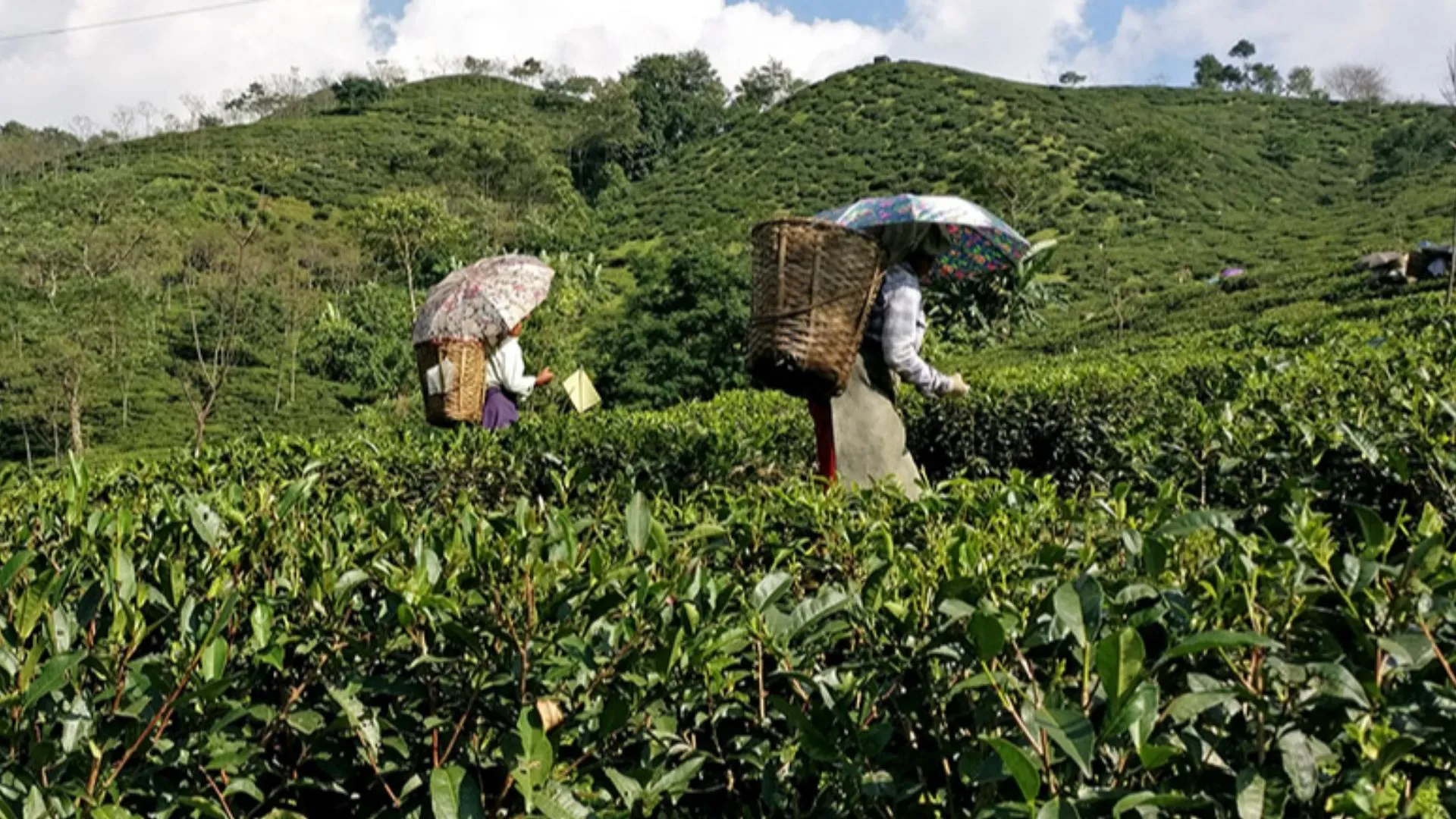
Kalimpong Farmers Shift to Coffee as New Crop Gains Global Fame
After more than a century of cultivating tea, the hill district of Kalimpong is now brewing a new future—coffee. With Arabica beans from the region earning international recognition and making their way to Australia, England, and Poland, the district has quietly become a budding centre for coffee cultivation. Over 1,200 farmers have already embraced the shift from traditional crops, fuelling hopes of transforming ‘Kalimpong Coffee’ into a global brand rooted in sustainable hill agriculture.
The region’s tryst with coffee began in 2018 as a pilot initiative, with saplings planted on 400 acres identified by local authorities. While initial years saw little market interest, demand has grown sharply since 2022. Now, annual harvests of 27 tonnes—15 tonnes from private farms and 12 tonnes on government-managed plots—are supplying a growing network of domestic buyers and export clients. Coffee clusters in Bhalukhop, Algarah, Gimbaling, and Lalay Gaon are leading the transformation, while cafes in North Bengal have also begun showcasing the brew as a local delicacy. The success of Kalimpong’s coffee push lies in its high-altitude terroir and organic practices, which many believe rival the quality of beans grown in Kenya. Farmers who once cultivated ginger, cardamom, or relied on tea are finding better returns and resilience with coffee.
Private procurement agencies from Kolkata, Sikkim, and southern India are sourcing around 70 quintals of coffee annually from Kalimpong, some of which is also routed to Nepal. The government has joined in by marketing the produce under the ‘Kalimpong Coffee’ label at retail outlets and backing its export aspirations. Officials from the horticulture department have underscored the economic potential of coffee as a diversification strategy for small hill farmers grappling with erratic monsoons and soil degradation. The focus now is on improving seed quality and strengthening processing infrastructure. To avoid earlier risks of seed infection, new stock is being sourced from Visakhapatnam and Assam, while 30% of seeds are designated for replantation. The aim is to both boost volume and ensure traceability for export-grade coffee.
As Kalimpong redefines its agroeconomic identity, experts view this transition as a model for climate-resilient, low-carbon farming. Coffee cultivation offers long-term sustainability, generates steady rural employment, and enhances the region’s export profile without the intensive water demands associated with tea. If current efforts to build the ‘Kalimpong Coffee’ brand succeed, the district may soon join the ranks of globally recognised origin coffees—rooted not in industrial agriculture, but in community-led, eco-friendly farming from the Himalayan foothills.