


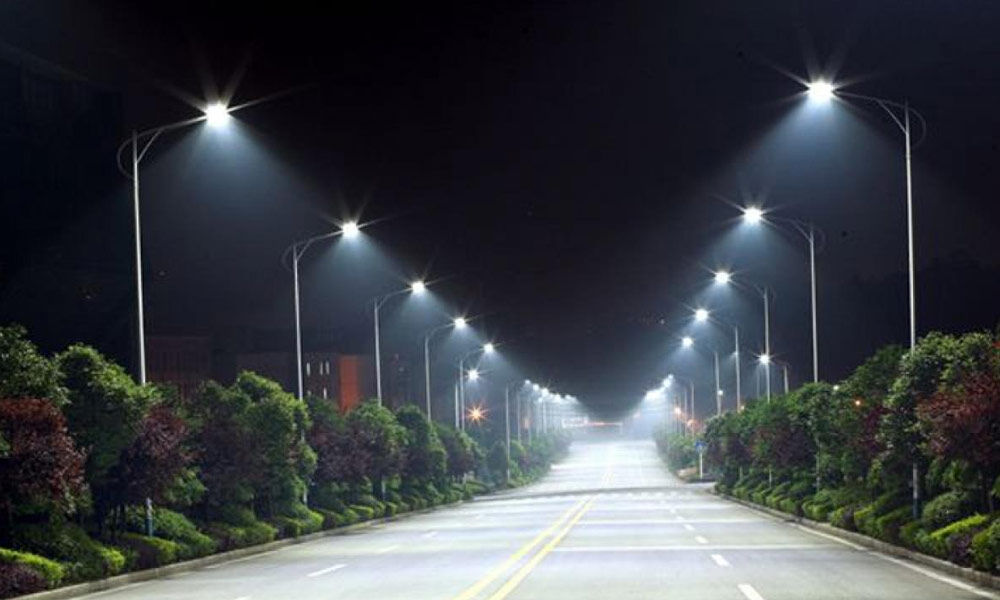
Kalamassery municipality is planning a transition to energy-efficient street lighting as part of its 2026-27 fiscal strategy, responding to escalating electricity costs from conventional tube lights. Urban sustainability experts note that such upgrades not only reduce operational expenditure but also contribute to broader climate resilience and responsible urban infrastructure.
The proposed project will replace tube lights with LED fixtures in an initial phase, estimated at ₹75 lakh. Municipal authorities report that electricity expenses for traditional lighting had reached nearly ₹2 crore annually, prompting the need for low-consumption alternatives. Solar-powered street lights are also being considered, aligning with state and national efforts to integrate renewable energy into urban public utilities.Beyond street lighting, the municipality’s upcoming budget emphasises improving essential infrastructure across wards. Key priorities include road repairs, measures to alleviate drinking water scarcity, and urban drainage improvements. Officials plan to widen culverts and drains to address persistent waterlogging, reflecting a focus on urban climate adaptation and resilient city planning.
The civic body has already initiated water infrastructure projects under the Atal Mission for Rejuvenation and Urban Transformation (AMRUT) 2.0 scheme, such as a new water tank near the Siberia hostel on the Cochin University of Science and Technology campus. Analysts suggest that combining energy-efficient urban lighting with water management solutions represents a holistic approach to sustainable municipal governance.Urban planners highlight that investments in energy-efficient infrastructure can yield multiple benefits, including reduced greenhouse gas emissions, lower municipal operating costs, and improved public service delivery. By embedding sustainability into core urban utilities, Kalamassery positions itself as a model for medium-sized municipalities seeking to modernise infrastructure without escalating fiscal pressures.
As municipalities increasingly face fiscal constraints and environmental responsibilities, such initiatives exemplify a shift towards smart, climate-aware urban management. Moving forward, experts recommend integrating monitoring systems to track energy consumption, assess long-term savings, and optimise maintenance schedules, ensuring that investments in LEDs and solar lighting deliver measurable social, economic, and environmental returns.
Kalamassery Municipality Plans Energy Efficient Street Lights
