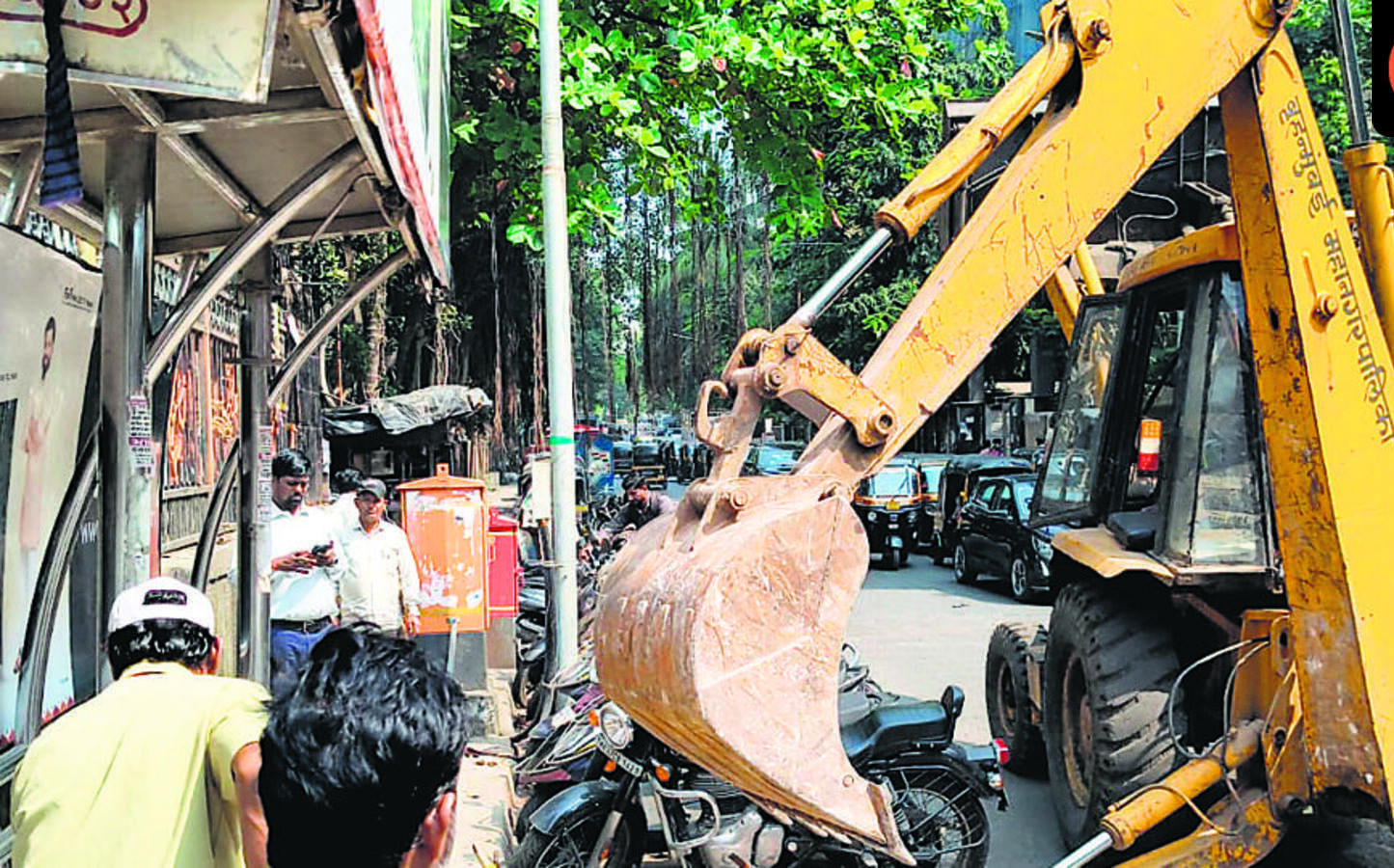
A structured citizen-led movement in Juhu has begun reshaping local civic governance, with residents forming an 80-member volunteer network to monitor sanitation, remove encroachments and push for safer public spaces. The initiative, centred in the JVPD Scheme and the adjoining Gulmohar neighbourhood, has already resulted in 15 streets being cleared of obstructions since mid-November. The effort marks a growing trend of community-driven urban stewardship in Mumbai’s suburbs, where residents are increasingly demanding equitable, well-maintained and walkable neighbourhoods.
Residents coordinating through a local citizens’ association said the campaign emerged from years of frustration over deteriorating civic standards, ranging from unregulated hawking to poor waste management and unsafe pedestrian infrastructure. According to community representatives, the goal is not confrontation but systematic oversight, documentation and continuous engagement with the Brihanmumbai Municipal Corporation (BMC). Volunteers have been mapping problem areas and sharing real-time alerts with civic staff to ensure timely action. Officials from the municipal administration acknowledged the progress, noting that several arterial and internal roads have been freed from illegal stalls, temporary structures and physical hazards. An official said the municipal authority relies significantly on local vigilance to augment its limited manpower. Residents often detect new encroachments within minutes, allowing removal teams to respond before violations become entrenched.
The areas seeing improvements include VM Road, Gulmohar Road, Indravadan Oza Road, Vidyanidhi Marg and key stretches near community institutions and residential clusters. Alongside encroachment clearance, road sweeping and waste collection have been scaled up. Urban designers associated with the campaign said the initiative stems from a broader desire for walkable, safe and environmentally responsive neighbourhoods—principles central to building sustainable and inclusive cities. To support data-driven governance, residents have created an online platform where citizens upload evidence of civic lapses such as garbage accumulation, broken pavements, unauthorised banners and cluttered footpaths. Civic officials receive compiled weekly reports, enabling quicker action and better accountability across departments. Contributors to the initiative said the system aims to reduce gaps between citizen feedback and municipal response by building shared responsibility.
A review meeting held last month resulted in the formation of a joint action group comprising senior civic officials and citizen delegates. Their first report outlines short- and medium-term demands: cleaner public spaces, improved waste management, safer pedestrian routes, streamlined open space maintenance and sustained anti-encroachment enforcement. Residents expect bi-weekly response cycles from the BMC, with follow-up meetings scheduled every two months to track performance. Officials from the local ward office said the civic body plans to intensify efforts over the next month, including targeted beautification and upkeep measures for the JVPD area, with continued collaboration from community groups and urban designers. For residents, the campaign represents a shift from passive complaint to active participation—an approach increasingly viewed as essential for building resilient, citizen-centred and environmentally responsible urban neighbourhoods.
Juhu Residents Launch 80-Strong Drive To Clear Fifteen Streets Of Encroachments