Juhu Property Deal Highlights Mumbai Luxury Housing Demand
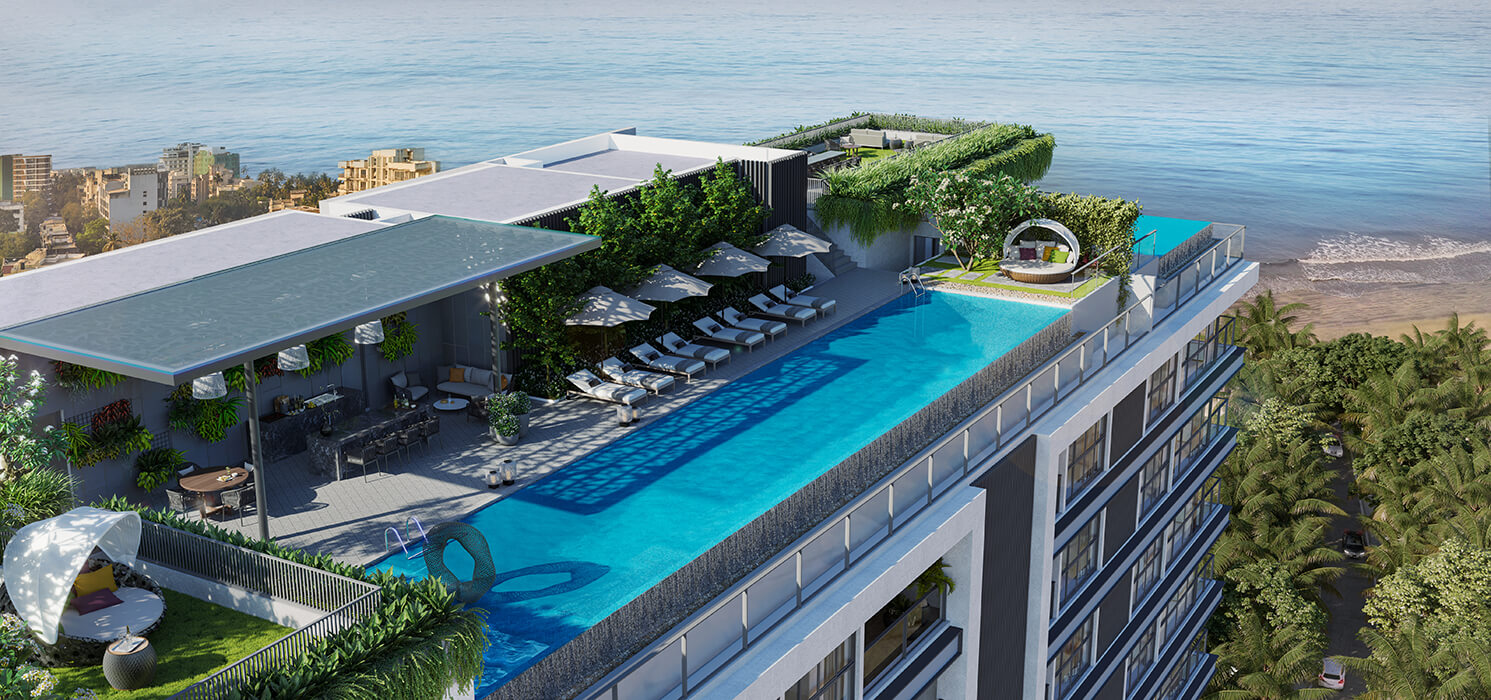
A high-value residential transaction in Mumbai’s Juhu neighbourhood is drawing attention to the steady momentum in the city’s top-end housing market, where premium assets continue to attract affluent buyers despite elevated prices. The acquisition of a full-floor apartment in a luxury development along Juhu Tara Road underscores the enduring appeal of Mumbai luxury housing as both a lifestyle and investment choice.
The apartment, spanning over 3,300 sq ft, reflects a growing preference for low-density, privacy-driven living within dense urban environments. Full-floor residences still relatively rare in Mumbai are increasingly being positioned as exclusive offerings for high-net-worth individuals seeking controlled access, better ventilation, and unobstructed views. Urban planners note that such configurations, while premium, also align with post-pandemic demand for spacious, self-contained homes in vertical cities. At an estimated price point exceeding ₹60,000 per sq ft, the transaction sits comfortably within Juhu’s prevailing luxury band, where property values typically range between ₹55,000 and ₹70,000 per sq ft. The area’s proximity to the coastline, established social infrastructure, and connectivity to commercial hubs continue to sustain its demand among elite buyers. Industry experts suggest that Mumbai luxury housing remains resilient due to limited land supply and sustained interest from investors seeking long-term capital appreciation.
Stamp duty collections from such deals also contribute significantly to state revenues, highlighting the fiscal importance of high-value real estate transactions. With over ₹1 crore paid in duties for this purchase, the deal reflects how premium housing continues to support urban financing mechanisms, even as policymakers attempt to balance affordability across segments. Beyond individual transactions, the trend points to a broader shift in how India’s affluent class is engaging with real estate. Market analysts observe that luxury homes are increasingly viewed as portfolio assets rather than mere residences. This is particularly evident in Mumbai, where ownership offers access to business networks, media ecosystems, and proximity to key economic institutions.
However, urban development specialists caution that the growth of Mumbai luxury housing must be viewed alongside wider housing challenges. While high-end projects drive investment and infrastructure upgrades, they also intensify land value pressures, potentially widening affordability gaps. Integrating such developments within a more inclusive and climate-sensitive urban framework remains a critical policy priority. With several luxury projects under construction and scheduled for completion over the next few years, Mumbai’s premium housing segment is expected to remain active. The challenge for the city lies in ensuring that this growth contributes not only to economic vitality but also to a more balanced, resilient urban fabric.