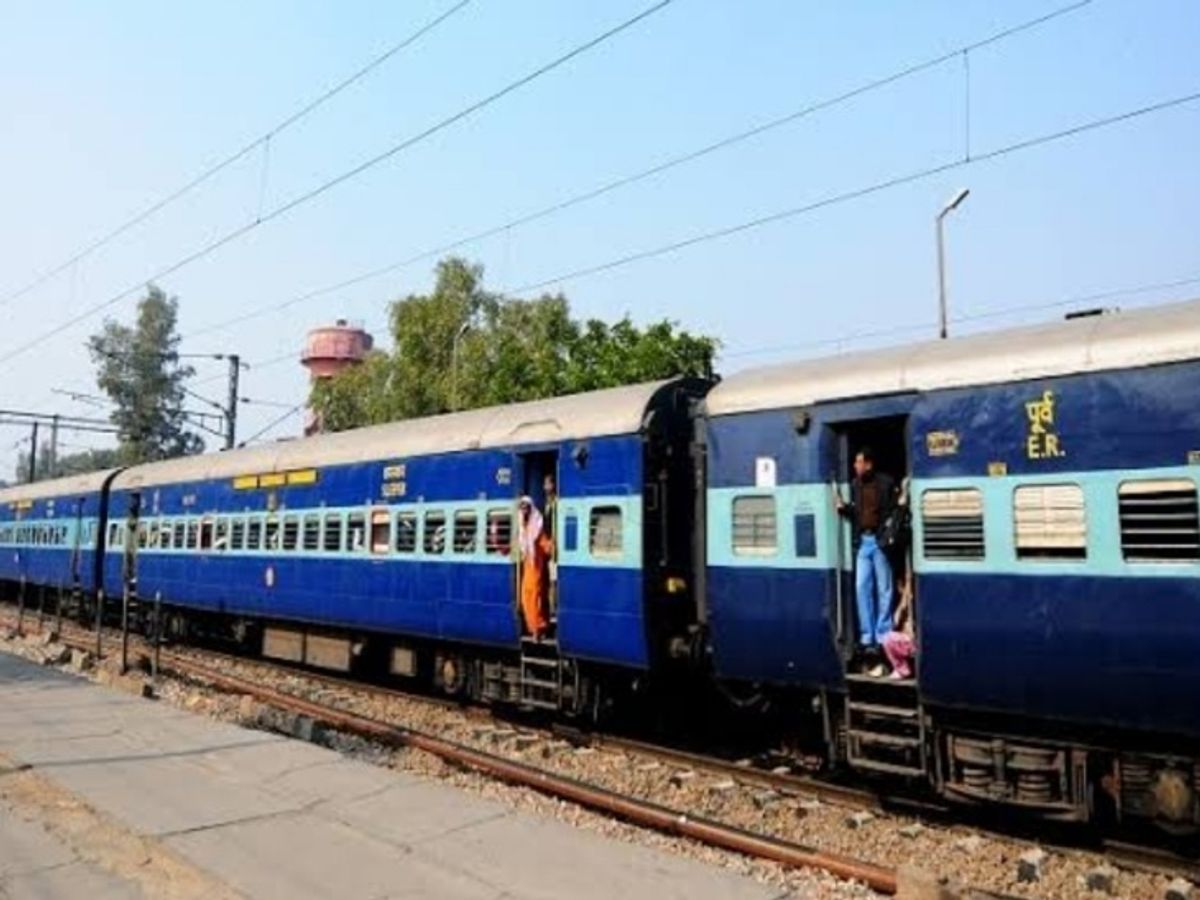
Jodhpur Provides Relief to Pilgrims with New Ramdevra Special Train Services.
Jodhpur has strategically expanded its railway services to accommodate the influx of devotees for the annual Ramdevra Fair, signalling a definitive shift towards sustainable and equitable urban mobility. The railway network has introduced seven new pairs of trains, including dedicated special services, to facilitate the travel of millions of pilgrims. This initiative is a prime example of proactive public infrastructure management, designed not only to meet demand but also to champion zero-net-carbon transportation alternatives over individual vehicular travel, thereby reducing the collective environmental footprint of the massive pilgrimage.
The provision of extensive rail connectivity serves as a cornerstone of sustainable city planning by significantly curbing traffic congestion and vehicular emissions. By offering a reliable and high-capacity transport solution, the railway authorities are directly contributing to cleaner air and a more liveable urban environment. This move aligns with a broader national commitment to green infrastructure, where every major public event and festival is viewed as an opportunity to implement logistical solutions that prioritise ecological responsibility. The railway’s continuous monitoring of passenger volume further allows for agile deployment of resources, ensuring maximum efficiency and minimal wasted energy.
Beyond its environmental merits, this rail initiative is a powerful stride towards a more gender-neutral and equitable society. The accessibility and affordability of train travel ensure that the pilgrimage is not a privilege reserved for those with private transportation but is instead open to all sections of society, including a more diverse demographic of pilgrims. It democratises access to cultural and religious events, removing socioeconomic barriers that might otherwise prevent participation. Officials have highlighted that the multiple train schedules, including the special services from Bhagat Ki Kothi, offer unprecedented flexibility, enabling individuals and families to plan their journeys with greater convenience and safety.
The economic implications of this strategic deployment of rail assets are also noteworthy. The seamless flow of pilgrims and tourists strengthens the regional economy, providing a boost to local businesses and employment. By focusing on mass transit, the administration is building a resilient framework that supports economic growth while simultaneously mitigating its negative externalities. This integrated approach, which considers the logistical, environmental, and social dimensions of a large-scale event, reflects a sophisticated model of urban governance. It demonstrates that with thoughtful planning, a city can cater to the spiritual and cultural needs of its populace while adhering to stringent sustainability goals. The railway’s actions set a precedent for future large-scale gatherings, underscoring the critical role of public transport in shaping a more sustainable, and truly inclusive, future.