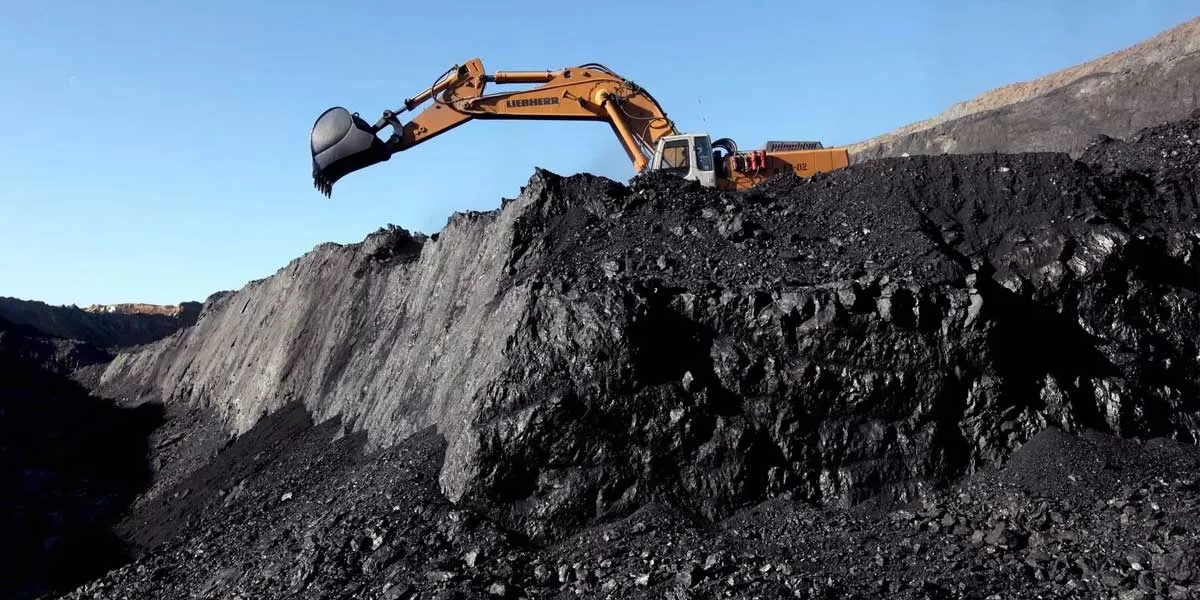
Dhanbad Coal Operations Hit By Nationwide Labour Strike
After a hiatus of more than a decade, coal extraction has resumed at the Rajhara Colliery in Jharkhand’s Palamu district, signalling a local economic revival and reinforcing domestic coal supplies critical for energy and industry. Officials and industry observers marked the January restart — formally inaugurated by a senior government minister — as a key milestone in reinvigorating an asset dormant since 2010.
Rajhara Colliery, operated by Central Coalfields Limited (CCL) — a subsidiary of Coal India Limited — was shuttered due to operational and technical constraints that led to a 15-year pause in production. The reopening reflects concerted administrative efforts to optimise existing mining infrastructure and address regional developmental deficits caused by prolonged inactivity. With total coal reserves estimated at roughly 4.5 million tonnes of Grade-9 thermal coal, the reactivated site is expected to produce between 0.30 and 0.50 million tonnes annually under normal operating conditions, according to mining leadership. This supply augmentation, while modest compared with India’s total coal production, contributes to the broader goal of strengthening domestic energy security — an ongoing priority for industrial sectors and urban utilities reliant on stable power inputs. A reliable feedstock base is especially important as India works to balance traditional energy sources with its climate and renewable commitments.
For the surrounding rural economy, the restart carries potentially transformative socioeconomic effects. Coal mining hubs like Rajhara have historically provided direct employment and ancillary livelihoods in transport, services and local supply chains. The operational relaunch is anticipated to curb outward migration by offering jobs closer to home, stimulate small-business growth around mining clusters, and support local revenue flows through wages and municipal levies. Local leaders have noted that economic revitalisation through mining can act as a catalyst for improved infrastructure — from roads to power and water services — when complemented by transparent governance and community engagement. Effective integration of mining activity with broader regional development planning can help avoid the boom-and-bust cycles that have previously characterised resource towns.
Yet, the resumption also underscores ongoing challenges in reconciling mining expansion with environmental regulation and social consent. Rajhara Colliery’s environmental clearances — including approvals extending into the next decade — must be paired with robust monitoring to mitigate impacts on air quality, water resources and nearby agricultural lands. In other parts of Jharkhand, closure of mines due to environmental or land-acquisition issues has highlighted the need for deeper stakeholder participation and sustainable operational standards. From an urban infrastructure lens, stronger domestic coal supplies can help stabilise electricity and industrial output, benefitting cities and manufacturing hubs that depend on consistent energy for growth. Yet this must go hand-in-hand with decarbonisation pathways; India’s energy transition agenda emphasises renewables even as thermal coal remains central in the near term.
As Rajhara ramps up output this year, policymakers and industry players will be watching how the mine’s revival influences regional development, workforce patterns and the integration of environmental safeguards — a test case of balancing legacy energy assets with sustainable growth objectives.