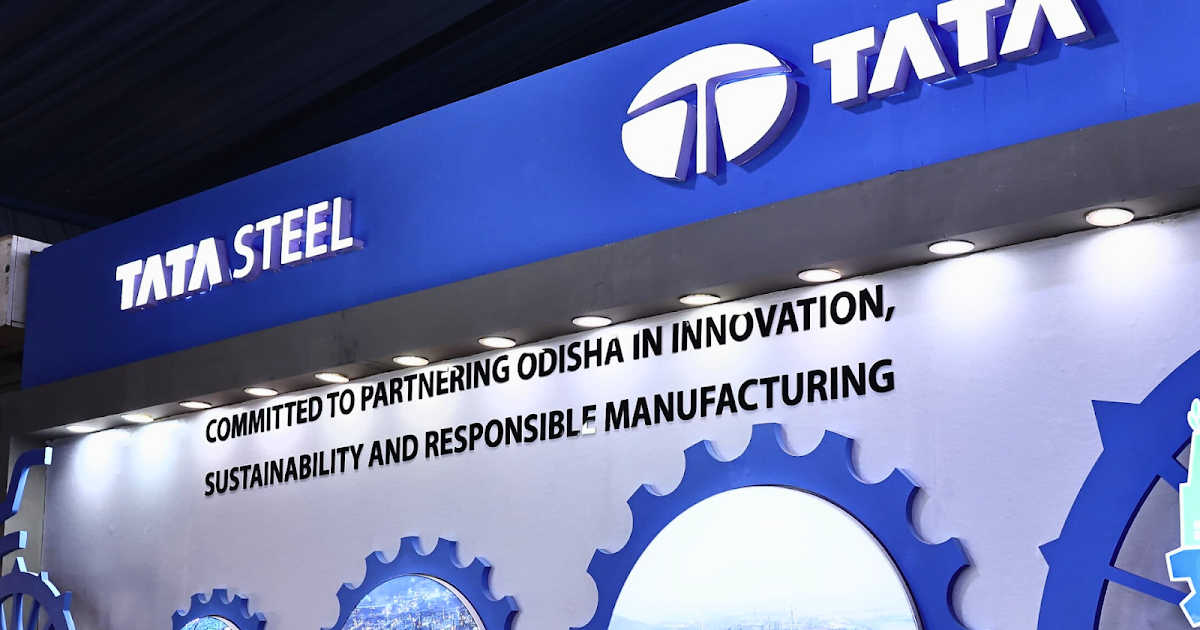
Jamshedpur Tata Steel Launches India Expansion With New Capacity Mining And Green Tech
Jamshedpur’s Tata Steel has unveiled a comprehensive India expansion plan, combining significant capacity growth, strategic mining acquisitions, and the adoption of low‑carbon green technologies. The move aims to strengthen the company’s supply chain, meet rising domestic demand for steel in infrastructure and urban development, and advance sustainable production practices. With new pellet plant stakes, mining collaborations, and a focus on eco‑friendly steelmaking, Tata Steel positions itself at the forefront of India’s industrial growth and climate-conscious manufacturing.
The company’s board has approved investments across multiple sites, including scale-ups at its Neelachal Ispat Nigam Ltd (NINL) unit to nearly 4.8 million tonnes per annum. Simultaneously, plans for a 2.5 MTPA thin slab caster and rolling facility at Meramandali in Odisha are underway, designed to enhance production flexibility and cater to higher-value steel segments used in urban infrastructure. A senior industry official noted that such expansions are vital to maintain supply stability while responding to growing construction and transport sector demands.Strengthening upstream integration, Tata Steel has acquired a controlling 50.01 per cent stake in Thriveni Pellets Pvt Ltd, which operates a 4 MTPA pellet plant and an extensive slurry pipeline network. Experts suggest this move mitigates raw material volatility, ensuring uninterrupted production cycles that are critical for large-scale housing and transportation projects. The company has also signed a memorandum of understanding with Lloyds Metals & Energy to explore iron‑ore mining in Maharashtra’s Gadchiroli region, potentially supporting future greenfield steelmaking operations.
Environmental considerations underpin the expansion, particularly through the adoption of HIsarna technology. Tata Steel is planning a 1 MTPA demonstration plant in Jamshedpur to deploy this low‑carbon method, which reduces CO₂ emissions and optimises resource use by processing lower-grade ore and recycling slag. A senior urban planner observed that integrating such technologies aligns steel production with India’s broader sustainability and net-zero objectives, supporting eco-friendly urbanisation.The expansion has been well received by investors, with shares reacting positively to the announcements. Analysts suggest that combining capacity growth, secured raw materials, and advanced green technologies enhances India’s competitiveness in regional and global steel markets. Officials emphasise that sustainable scaling requires attention to energy efficiency, water usage, and circular economy practices, ensuring urban and industrial development advances without compromising environmental responsibility.
In essence, Tata Steel’s roadmap reflects a strategic balance of industrial scale and environmental stewardship. As India’s cities continue to expand, the company’s investments in mining, manufacturing, and green technologies exemplify a model where industrial growth and sustainable urban development progress hand in hand.