Jamshedpur Residents Demand Action Over Waterlogging and Potholes in Adityapur Roads
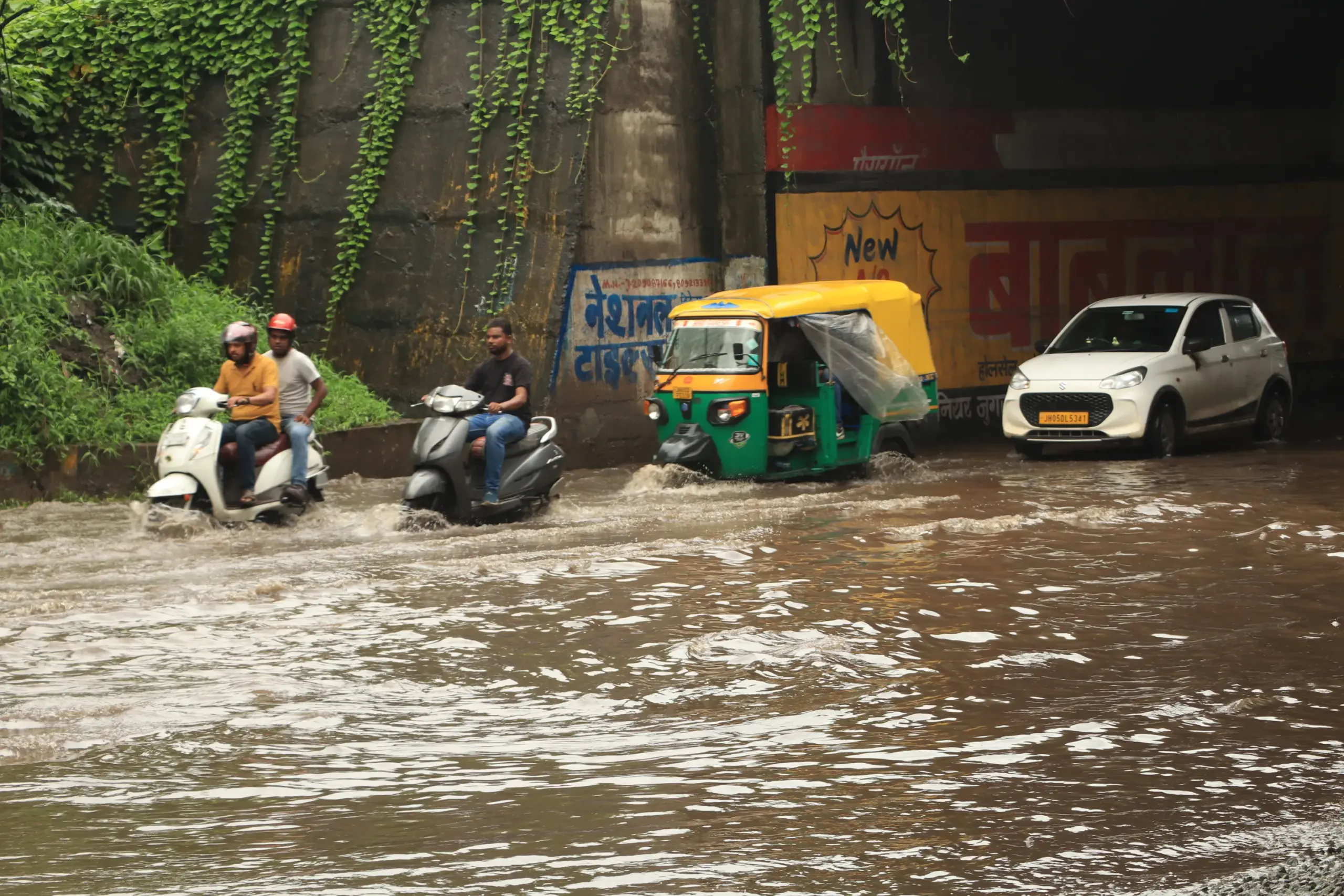
Persistent road damage and recurring waterlogging have sparked protests in Adityapur, where residents of multiple wards are demanding immediate civic intervention. Cratered roads, worsened by clogged drains and monsoon rains, have led to a spike in minor accidents and mobility issues, particularly in Ward 23. Local communities say irregular drain cleaning by the Adityapur Municipal Corporation (AMC) has left their neighbourhoods waterlogged and unsafe, while civic officials claim that drain maintenance has been carried out as scheduled. The brewing discontent reflects a wider concern over monsoon preparedness in rapidly urbanising industrial towns like Adityapur.
In Ward 23, protesters gathered outside the AMC office on Monday, voicing concerns over the civic body’s perceived failure to ensure basic road safety and drainage clearance. Residents alleged that even light to moderate rainfall now results in knee-deep water in colonies, particularly in low-lying areas. Commuters, including schoolchildren and elderly citizens, have faced significant challenges navigating roads riddled with potholes and stagnant water. Locals also said that repeated complaints to civic authorities had gone unanswered, creating an impression that their neighbourhoods had been deprioritised. The protest is the second such demonstration in less than a week, signalling growing public unrest over deteriorating urban infrastructure. Earlier on Saturday, Ward 6 residents staged a similar protest at the Gamharia block office, alleging that repeated assurances from civic authorities about monsoon readiness had not materialised.
They pointed out that clogged drains had not been cleared on time, resulting in widespread waterlogging in residential streets and marketplaces. Several residents have raised safety concerns, especially for two-wheeler riders and pedestrians, as cratered roads become invisible under sheets of water. Many also fear that stagnant water could lead to mosquito-borne disease outbreaks, raising questions about the AMC’s seasonal health and sanitation preparedness. Officials from the Adityapur Municipal Corporation responded by stating that regular drain cleaning had been carried out before the onset of the monsoon. They attributed the current complaints to “exceptional rainfall” over the past week, which, they said, has overwhelmed the city’s drainage infrastructure. According to one senior official, AMC teams have been deployed to clear choked outlets across multiple wards, and work is underway in high-risk areas.
However, residents argue that these reactive measures fail to address systemic issues such as poor urban drainage planning, substandard road repair, and a lack of accountability in public works execution. The recurring waterlogging and civic apathy in Adityapur underline the urgent need for improved urban infrastructure planning in India’s growing industrial clusters. As seasonal weather extremes intensify with climate change, cities like Adityapur must prioritise flood-resilient civic design and consistent public engagement. A long-term strategy that includes sustainable drainage, weather-responsive road maintenance, and citizen-inclusive monitoring mechanisms will be essential to prevent such breakdowns in urban mobility and health. While short-term repairs may offer temporary relief, only structural reforms will restore trust between residents and local governance.