


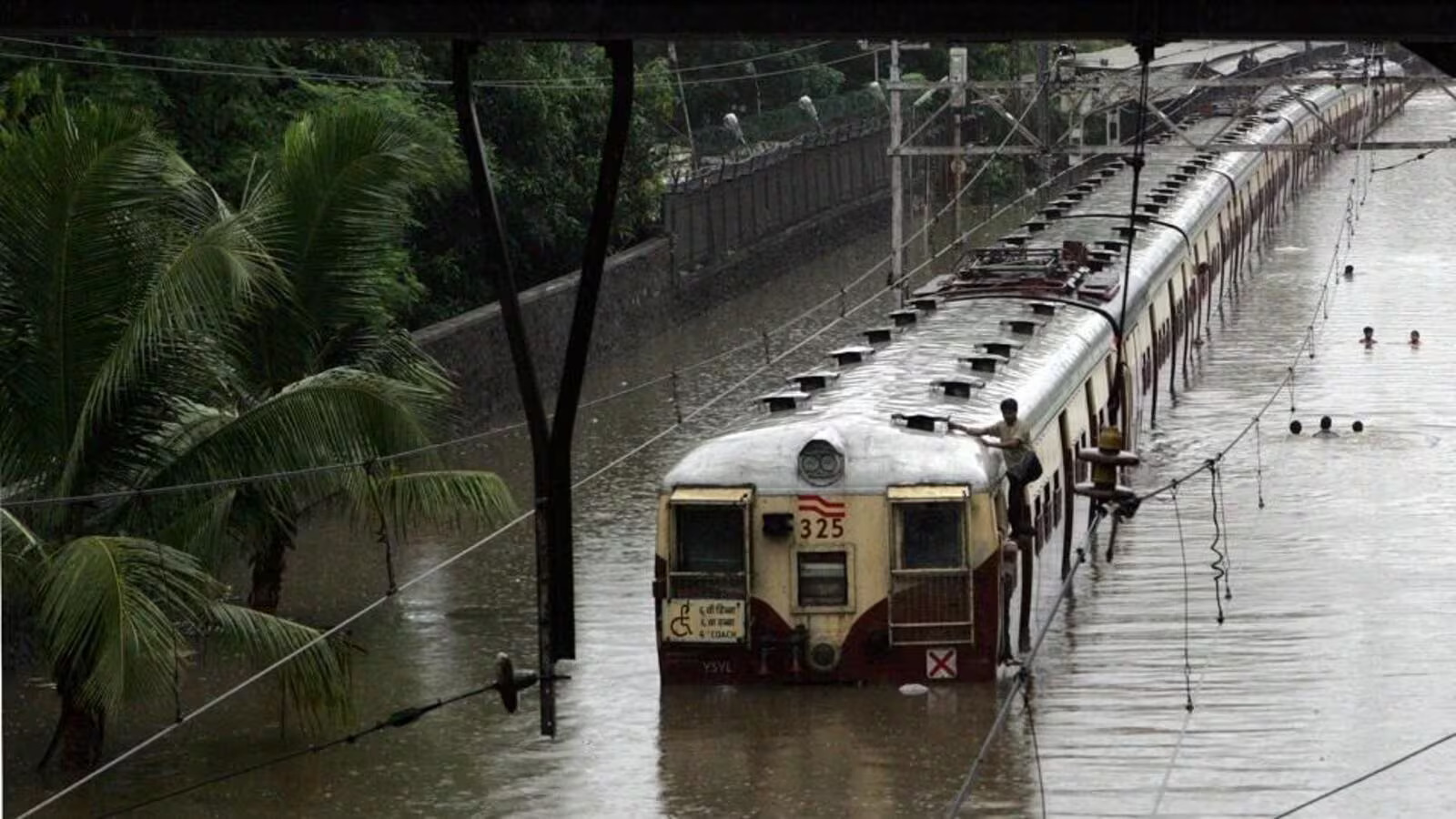
Jammu’s critical railway network has been brought to a standstill, leaving thousands of travellers stranded, after a fresh wave of torrential rain triggered flash floods and landslides across the region. Officials from Northern Railways announced the cancellation of more than 50 trains, primarily affecting vital routes connecting to the rest of the country. This widespread disruption underscores the increasing vulnerability of key public infrastructure to extreme weather events, posing a significant challenge to urban and regional resilience.
The scale of the crisis is immense, with rail tracks in several areas submerged or damaged by soil erosion. The extensive list of cancelled and short-terminated services includes key long-distance and pilgrimage trains to major destinations, most notably the Shri Mata Vaishno Devi Katra shrine. For the millions of devotees who rely on this route for their spiritual journey, the sudden halt in services has created a human-centric crisis of uncertainty and logistical chaos. Many pilgrims, including a considerable number who were in the process of returning from the shrine, found themselves marooned at various stations with no clear timeline for resumption of services.
In a swift and coordinated response, railway authorities mobilised resources to mitigate the immediate impact on stranded passengers. Special trains were quickly organised from major hubs like Jammu to evacuate thousands of travellers, offering a lifeline to those facing prolonged waits. Station officials and staff at various locations also set up community kitchens to provide hot meals, drinking water, and essential medical assistance to the affected travellers. This proactive approach, lauded by many passengers, provided a crucial element of support in a time of distress. However, it also highlights the urgent need for a more comprehensive disaster-response framework for public transport.
The rail network is not the only artery of life affected; road connectivity has also been severely compromised. Major national highways, including those connecting Jammu to Srinagar and Pathankot, have sustained extensive damage, with several sections blocked by debris and landslides. The collapse of key bridges and the impassability of internal roads have completely severed many communities, trapping residents and hindering relief efforts. The dual collapse of both rail and road infrastructure exposes the profound fragility of current transport systems in the face of escalating climate volatility, calling for a radical re-evaluation of how cities and regions are engineered for the future.
This ongoing crisis in the northern part of the country serves as a stark reminder of the broader challenges posed by climate change. As severe weather events become more frequent and intense, it is imperative that urban and regional planning shifts towards creating zero net carbon, eco-friendly, and resilient cities. The tragic landslide near the Vaishno Devi shrine, which resulted in significant loss of life, is a grim testament to the devastating consequences of environmental degradation and inadequate infrastructure. It is critical that officials, engineers, and policymakers collaborate to build sustainable, gender-neutral, and equitable urban environments that can withstand future shocks, ensuring the safety and security of all citizens.
Also Read :Pune Gets Union Nod For Rs 6000 Crore Elevated Bypass Road
