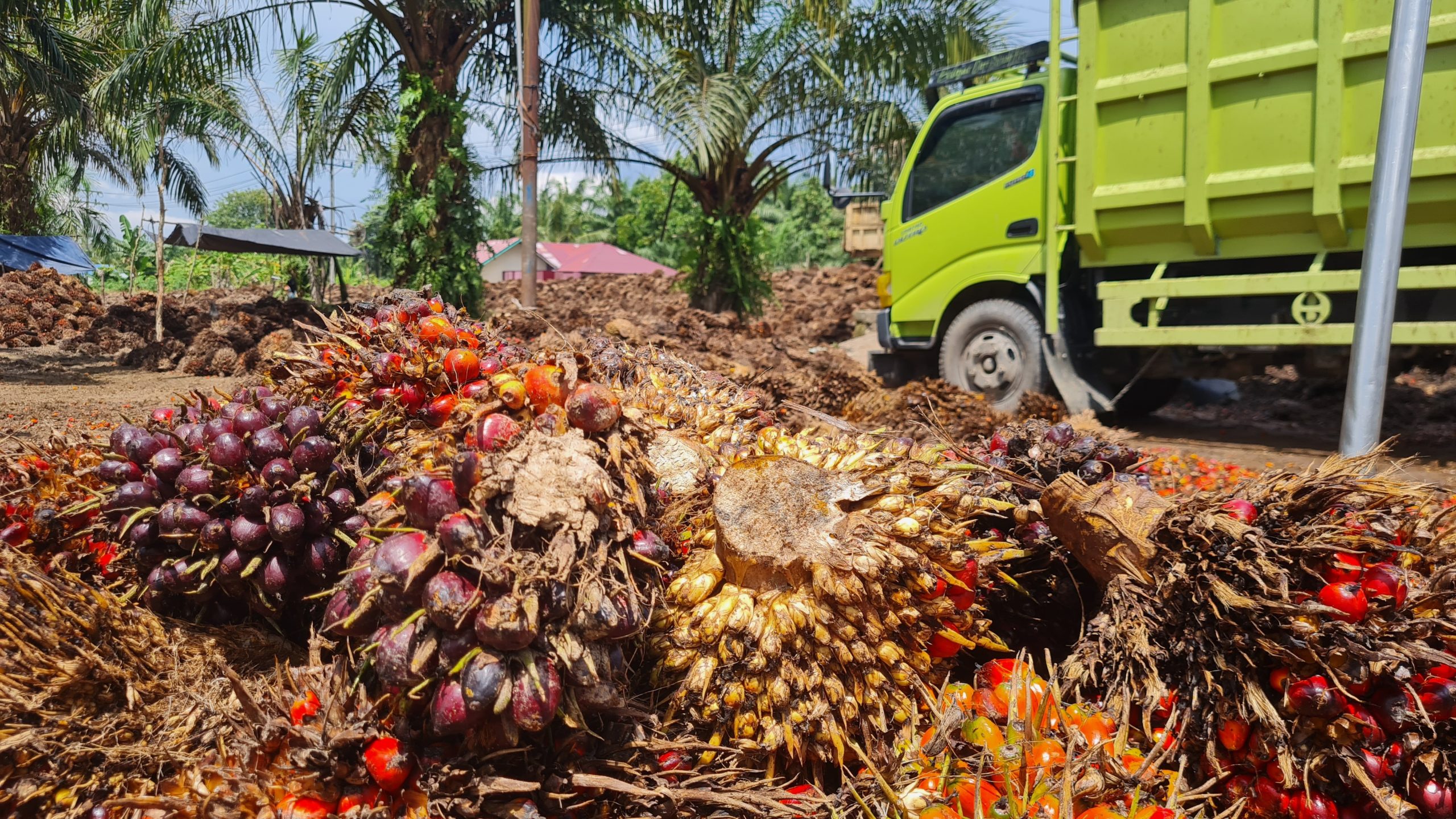
Jakarta Small Farmers Face Unfair Burden in Sustainable Palm Oil Push
As global demand for deforestation-free products grows, small-scale farmers in Indonesia’s palm oil sector are grappling with unsustainable pressures. Despite cultivating nearly a third of the world’s palm oil and playing a key role in rural livelihoods, these farmers remain largely excluded from sustainability frameworks. Stringent international regulations, including the European Union’s deforestation rules set for 2025, risk pushing small growers out of the market unless urgent structural support and reforms are introduced. The race toward sustainable sourcing threatens to leave behind the very communities that produce its foundation.
Small farmers contribute significantly to Indonesia’s palm oil output, yet remain marginalised in certification efforts. Only a fraction of these farmers hold sustainability credentials, often due to cost-prohibitive requirements and limited institutional backing. Certification involves land verification, traceability audits, and expensive inputs—burdens that can consume up to half of a farmer’s annual income. Adding to the challenge, the financial benefits of certification rarely reach the growers themselves. Intermediaries and large processors dominate the value chain, leaving small producers with little say or share in the premiums promised under global green labelling. Analysts warn that the push for sustainable palm oil risks becoming a hollow promise if smallholder inclusion is not central to the strategy. With over 2.6 million small-scale palm growers in Indonesia, many of whom have shifted from traditional crops to palm oil for its higher economic returns, these farmers are essential to meeting future production targets.
Yet, younger generations increasingly shun palm oil farming due to its labour-intensive nature, minimal profits, and lack of recognition. If this trend continues, the sector could face not only stagnation but a growing generational void in essential agricultural skills. Experts stress that integrating small-scale farmers must go beyond token certifications. Group models, fair procurement policies, and co-investment by companies in training, credit access, and digital tools are critical. Without such measures, traceability and sustainability will remain elusive goals. Moreover, landscape-based approaches that account for biodiversity, water systems, and collective land governance must be prioritised over plot-level interventions. Building climate resilience through regenerative practices—such as soil restoration and diversified planting—can further embed sustainability at the grassroots level, while supporting smallholders’ livelihoods.
Without inclusive action, Jakarta’s small-scale farmers risk being priced out of the very sustainability markets they helped build. Policies shaped without their voices may create monopolised supply chains, market distortions, and deepen rural inequality. A fairer model requires rebalancing responsibility and seeing small growers not as compliance risks but as co-architects of the solution. Enabling their transition is not just a moral imperative—it is essential to building a just, resilient, and environmentally sound palm oil industry for the future.