


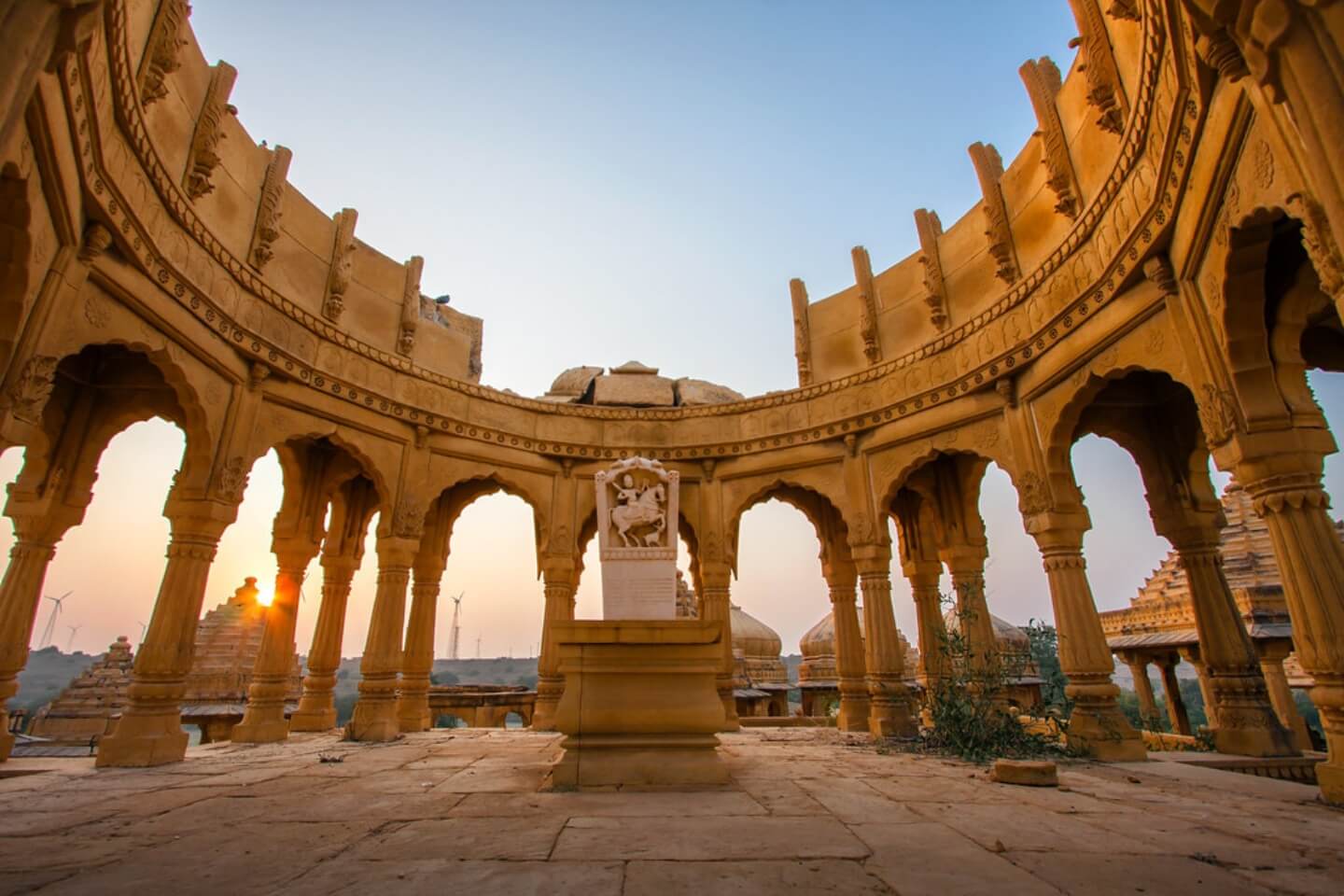
A major tourism gateway in western Rajasthan is recalibrating how it manages visitor pressure, with Jaisalmer becoming one of the latest Indian cities to formally link tourism inflows with urban infrastructure funding. The desert city’s municipal council has approved a passenger levy on vehicles entering city limits, signalling a shift toward user-funded civic services in heritage-sensitive destinations.
The new charge, cleared by the state’s urban governance department, will apply to private and commercial vehicles transporting visitors into Jaisalmer. Rates vary by vehicle capacity, with higher fees for tourist buses and lower charges for cars and taxis. Collection will be carried out at designated entry corridors connecting the city with regional highways. Municipal officials say the move responds to mounting strain on roads, public spaces and traffic management systems, particularly during peak tourist months. Jaisalmer’s permanent population remains modest, but seasonal visitor numbers swell dramatically, placing pressure on civic infrastructure originally designed for a far smaller urban footprint. Urban planners familiar with the proposal describe the levy as a corrective mechanism rather than a revenue-maximising exercise. “This is about internalising the cost of tourism,” said a senior official involved in urban mobility planning. “Cities with fragile heritage assets cannot rely solely on general municipal budgets to absorb visitor-related wear and tear.”
The plan extends beyond revenue collection. Civic authorities intend to introduce traffic signalling at key junctions and improve congestion management around high-footfall zones, including areas surrounding the city’s historic fort precinct. Officials say the levy collection system will be digitised to reduce delays at checkpoints and improve transparency. Across India, heritage and tourism-driven cities are increasingly experimenting with targeted levies as visitor volumes rebound strongly post-pandemic. From hill towns to coastal destinations, municipal bodies are under pressure to balance economic benefits from tourism with long-term liveability for residents. Economists note that such charges can play a role in sustainable urban finance if revenues are ring-fenced for maintenance and public services. “Tourism taxes work when citizens can see direct improvements in roads, sanitation, safety and mobility,” said an urban finance expert. “Without that feedback loop, public acceptance erodes quickly.” For Jaisalmer, the stakes are particularly high. The city’s economy depends heavily on tourism, yet its desert ecology and historic fabric make it especially vulnerable to unmanaged growth. Conservationists argue that modest entry fees, combined with better traffic controls, could help reduce congestion-related damage to heritage structures and improve visitor experience.
As implementation begins, the focus will shift to enforcement, transparency and the visible use of funds. How effectively Jaisalmer converts tourist inflows into resilient urban services may offer a template or a cautionary tale for other heritage cities navigating similar pressures.
Also Read: Mumbai Heritage Cinema Enters Restoration Phase
Jaisalmer Civic Body Ties Tourism To Infrastructure
