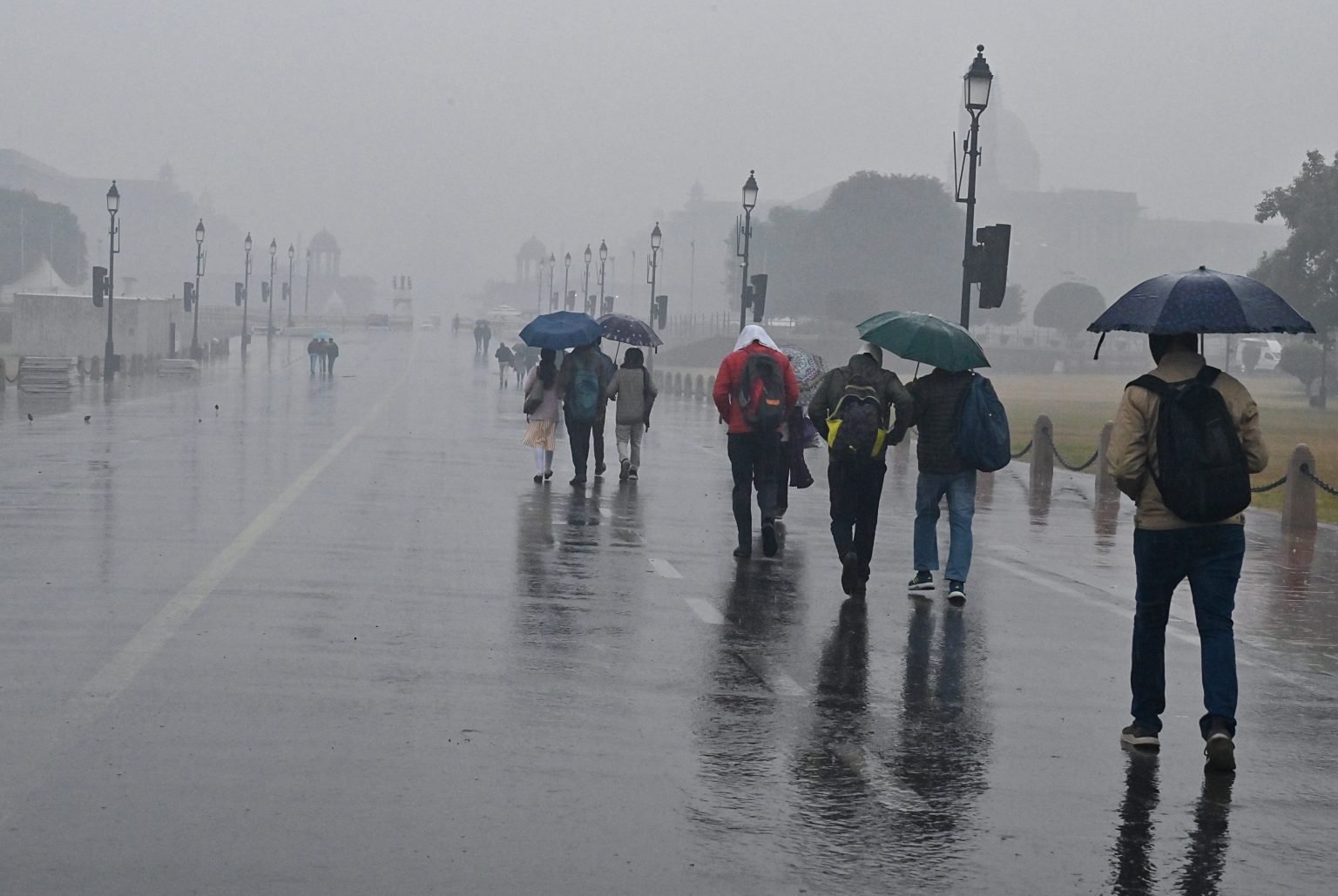
Jaipur Weather Shifts As Rain Continues Across Rajasthan
Jaipur is witnessing a prolonged spell of unsettled weather as rainfall activity across Rajasthan is expected to persist through the end of March, moderating temperatures and reshaping early summer conditions. The shift, driven by successive western disturbances, is offering short-term relief from heat while raising fresh questions around climate variability and urban preparedness. Meteorological assessments indicate that two active weather systems are likely to influence large parts of the state over the coming days. While a brief pause in precipitation is anticipated midweek, intermittent showers, thunderstorms and gusty winds are expected to return, particularly across eastern and northern districts. For Jaipur and surrounding urban centers, this means fluctuating weather patterns rather than a steady seasonal transition.
Recent rainfall has already led to a noticeable dip in temperatures across several cities. Jaipur recorded cooler daytime conditions following cloud cover and scattered showers, while districts such as Kota, Ajmer and parts of northern Rajasthan also experienced rainfall of varying intensity. In western regions, typically prone to early heat buildup, precipitation has temporarily stabilzed temperatures closer to seasonal norms. Urban planners say such weather variability has growing implications for infrastructure systems. Sudden rainfall events, even when moderate, can strain drainage networks, disrupt mobility and expose gaps in stormwater management. Cities like Jaipur, where rapid urban expansion has altered natural water flow patterns, are increasingly vulnerable to short bursts of intense rain combined with dust-laden winds. The forecast also points to strong surface winds in several districts, with speeds expected to reach 30 to 40 km per hour during certain periods. These conditions, coupled with isolated thunderstorms, can affect construction activity, transport systems and outdoor labour, particularly in fast-growing urban corridors.
Industry observers note that weather-linked disruptions are becoming a recurring factor in project timelines and operational planning. From a climate perspective, experts highlight that the extended presence of western disturbances during late March reflects broader shifts in atmospheric behaviour. While such systems are not unusual, their frequency and intensity in recent years have drawn attention from climate researchers studying seasonal unpredictability across northern and western India. At the same time, the rainfall is offering tangible benefits. Cooler conditions are reducing immediate energy demand for cooling, improving outdoor working conditions and providing limited moisture support to peri-urban agricultural zones. However, these gains are expected to be temporary, with temperatures likely to rise again as the season progresses.
As Rajasthan navigates this period of fluctuating weather, the focus is increasingly on resilience—both in terms of infrastructure readiness and long-term urban planning. The current spell serves as a reminder that even short-term climatic shifts can have cascading impacts on cities, reinforcing the need for adaptive systems that can respond to both heat and unexpected rainfall events.