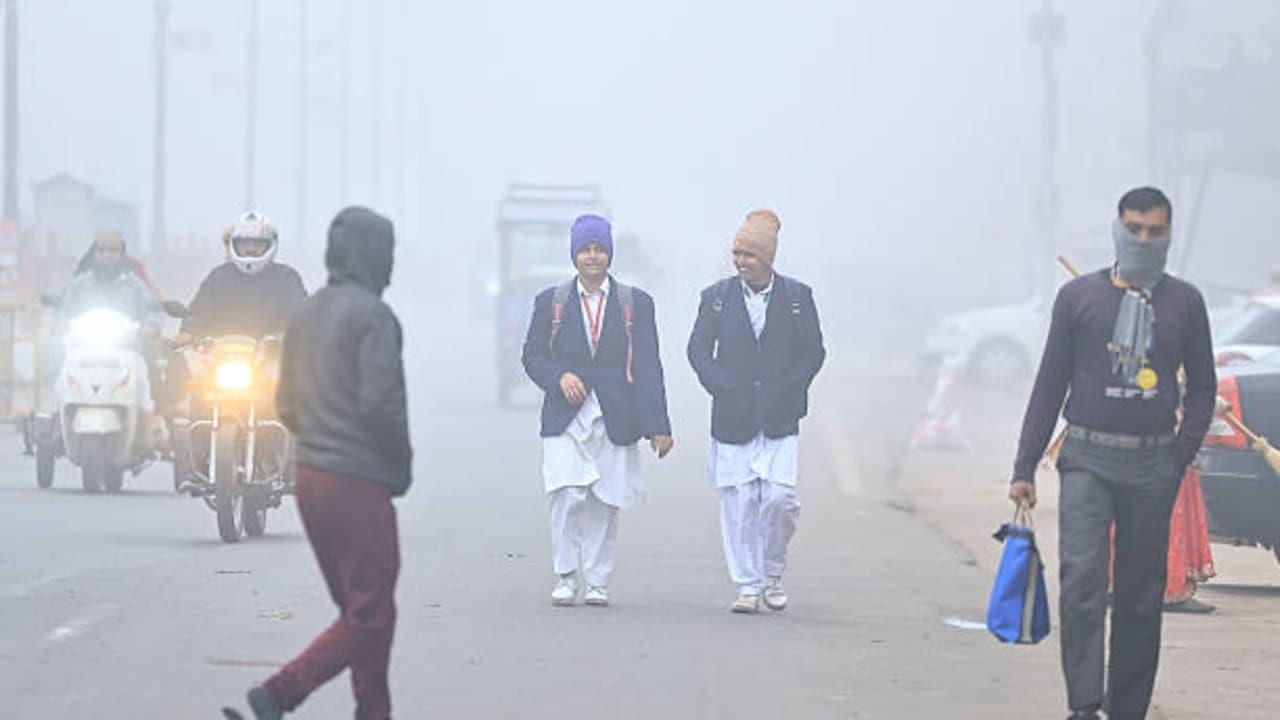
Jaipur experienced continuing cool weather conditions on Sunday, with intermittent cloud cover, light showers, and subdued temperatures across the city and surrounding districts. The atypical weather follows recent rainfall linked to a western disturbance, providing short-term relief from heat but also exposing vulnerabilities in Rabi crop cultivation. These developments have implications for agricultural output, urban energy demand, and local climate resilience planning. Maximum temperatures across Rajasthan ranged between 25°C and 35°C, roughly 1–3 degrees below the seasonal average. Barmer recorded the highest mercury at 35.2°C, while Jaipur itself saw a peak of 31.2°C and a minimum of 19.7°C under partly cloudy skies. Despite no significant rainfall in the city, the cooler conditions have moderated heat-related stress for residents and eased urban energy consumption for cooling needs.
Agricultural stakeholders, however, report adverse impacts. Scattered rains earlier in the week damaged Rabi crops, particularly cumin in Jodhpur, isabgol in Jaisalmer, and wheat in Alwar, Sikar, and Jhunjhunu. Industry experts highlight that such unseasonal precipitation, while moderating temperatures, can disrupt planting cycles and reduce yield quality, creating both economic and food security concerns for local farmers. Weather analysts note that Jaipur’s current conditions contrast sharply with typical March patterns, which are generally hot and dry. Light showers were recorded in parts of Jaisalmer, Sikar, Churu, and Pilani, with Jaisalmer receiving the highest rainfall at 13.1 mm. The Met office forecasts that partly to generally cloudy skies will persist over the next 24 hours, with isolated chances of light rain and thunderstorms in select districts.
Urban planners and climate resilience specialists stress the importance of integrating such weather variability into city infrastructure and agricultural planning. Temporary relief in temperatures reduces the risk of heat stress and electricity demand surges for cooling, yet unanticipated rainfall requires robust drainage systems, water management strategies, and support for farmers through crop insurance and advisory services. For Jaipur residents, stable maximum temperatures around 30°C and minimum near 21°C are expected over the coming days. While these conditions provide a short-term improvement in comfort and reduce urban heat stress, city authorities are urged to maintain monitoring of drainage networks, public spaces, and agricultural areas to prevent localized flooding or crop losses.
Looking ahead, sustained monitoring of western disturbances and their impacts on both urban and rural systems will be critical. Integrating real-time weather data into civic planning and agricultural advisories can help Jaipur maintain resilient infrastructure, protect livelihoods, and ensure that unseasonal climatic events do not compromise urban livability or rural productivity.