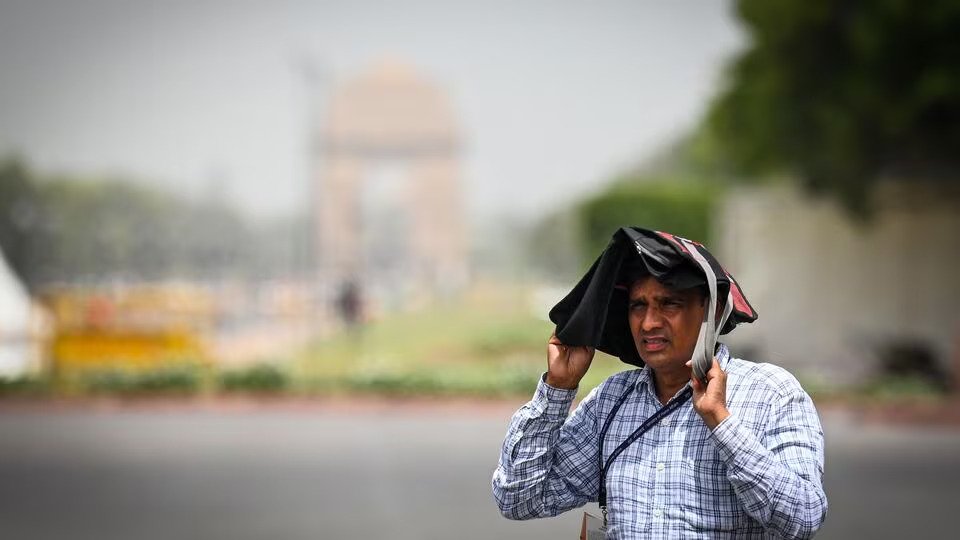
Jaipur, Rajasthan — Rapidly rising daytime temperatures in Rajasthan cities, including Jaipur, are marking an early and intense onset of seasonal heat well before typical summer months, with maximum mercury readings exceeding 35 °C over consecutive days.
This pattern reflects broader regional climate dynamics and carries implications for public health, energy systems, urban comfort and sustainable city planning. In recent days, cities across western and central Rajasthan have consistently reported daily highs beyond 35 °C, particularly in arid districts such as Barmer, where heat has pushed local thermometers to seasonal peaks ahead of schedule. Meteorologists link this escalation to dry, clear skies and persistent sunny conditions, which are common precursors to early summer heat spells in the Thar Desert region. The India Meteorological Department’s extended forecasts for the Jaipur metropolitan area signal that warmer weather will persist through early March, with daily highs regularly reaching into the mid-30s and potentially climbing toward the high-30s later in the month. These anomalies mirror a broader national trend of above-normal warmth documented across northern India, though official long-range forecasts from the IMD on the full seasonal outlook remain pending.
For urban residents — especially outdoor workers, street vendors, schoolchildren and those without reliable access to cooling — sustained heat above seasonal norms carries measurable human costs. Heat stress can aggravate cardiovascular and respiratory conditions, increase dehydration risk and strain public health infrastructure, particularly if daily routines and work patterns are not adjusted to mitigate peak heat exposure. Cities like Jaipur also face the urban heat island effect, where built-up surfaces absorb and re-radiate heat, making local conditions feel hotter than surrounding rural areas. Without robust green cover, permeable surfaces and shading strategies, rising temperatures can exacerbate energy demand for cooling, further pressuring electricity grids already strained by early-season air-conditioning use.
From a planning perspective, emerging heat trends underline the need for more resilient infrastructure and adaptive urban design that prioritises shade-rich public spaces, cool-roof solutions, water-sensitive urban landscaping and equitable access to heat relief resources. Urban planners argue these strategies should be integral components of city climate action plans, helping buffer vulnerable populations against the health and economic impacts of intensifying heat. Agricultural stakeholders, too, are watching the heat trajectory closely, as early high temperatures can disrupt crop phenology and water balance during critical growth periods, with knock-on effects for rural incomes and food supply chains.
As the state transitions from winter to summer, municipal authorities say they will monitor the temperature trend and coordinate with public health and emergency services to issue alerts and cooling advisories where necessary. However, climate experts stress that recurrent early heat surges are symptomatic of longer-term climatic shifts that demand more systematic mitigation and adaptation planning across urban and rural landscapes alike.