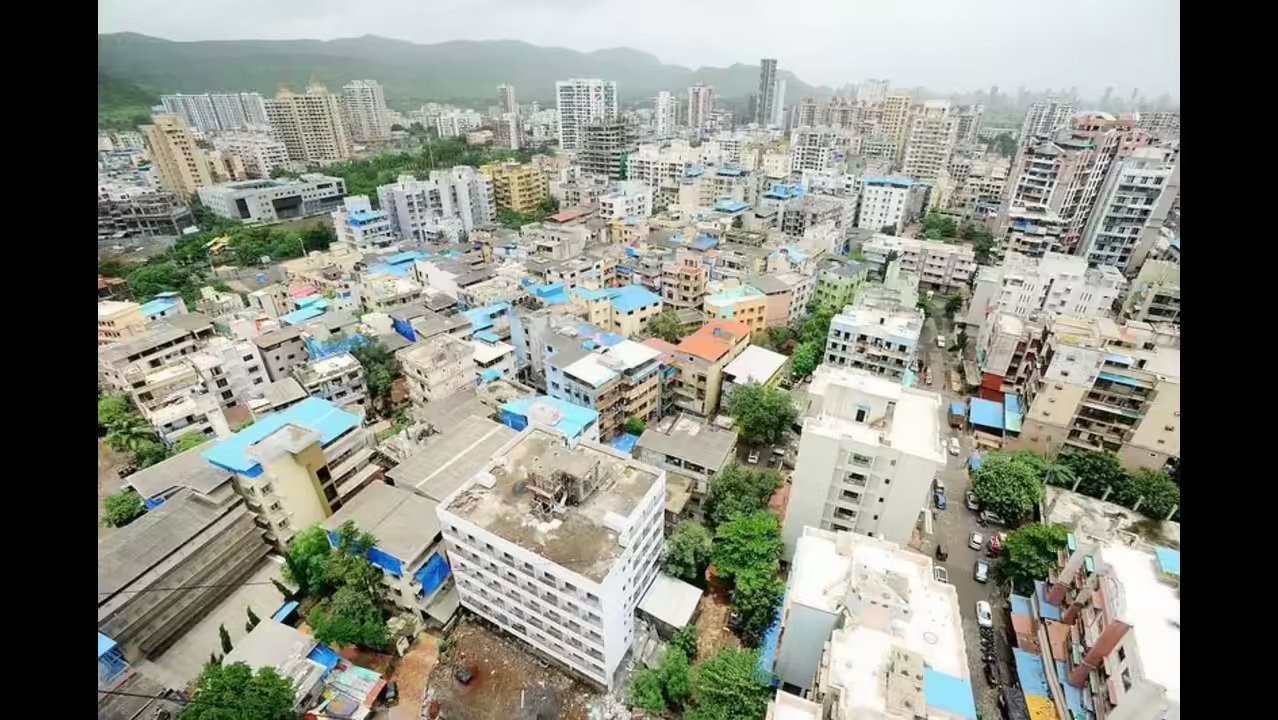
Jaipur Urban Expansion Leaves Outlying Areas Underserved
Jaipur’s ambitious plan to expand the Jaipur Development Authority (JDA) under Master Plan 2047 has sparked concerns over service delivery and infrastructure adequacy in peripheral residential areas. While the expansion aims to increase urbanisable land and accommodate projected growth, residents on the city outskirts report persistent difficulties in accessing essential civic services, highlighting potential gaps between planning and ground realities. In several newly developed colonies along Ajmer Road, residents have struggled to maintain basic amenities such as sewerage tanks and internal sanitation. Civic bodies and local panchayats have often cited jurisdictional limits, leaving households dependent on private arrangements for maintenance. Urban planning experts warn that extending JDA’s boundaries to 6,500 sq km—more than double its current 2,940 sq km jurisdiction—could amplify such challenges if infrastructure provisioning does not keep pace with spatial expansion.
Analysts point out that the proposed urban spread would make Jaipur nearly five times the size of Bengaluru while accommodating a projected population of only 80 lakh, suggesting a low-density development model prone to urban sprawl. “Dispersed settlements without robust infrastructure risk creating substandard living conditions and overburdening private service arrangements,” said a senior town planner. Experts caution that this pattern may also undermine environmental sustainability by increasing dependence on private water and sanitation systems while fragmenting public transport networks. The Rajasthan Township Policy 2024 envisages phased development based on eight criteria, including infrastructure readiness, land availability, and connectivity, but implementation has lagged. No urban local body or development authority has constituted the required committees or designated phased development zones, leaving residents of new colonies exposed to infrastructure gaps. Experts note that inadequate planning in expansion zones could strain civic services, exacerbate maintenance costs for residents, and slow economic integration of peripheral areas.
Critics argue that the JDA’s expansion also facilitates acquisition of agricultural land for higher property rates, benefiting developers while leaving communities under-served. Urban governance specialists stress that without timely infrastructure deployment—roads, sewerage, water supply, and public transport—residential growth in remote areas may lead to long-term inequities in service delivery and reduce overall livability. Urban planners recommend integrating compact development strategies, prioritising high-density growth corridors, and coordinating phased infrastructure investment alongside JDA’s expansion. Strengthening local governance frameworks and ensuring accountability in service provision will be critical to avoid repeating challenges faced in current peripheral settlements.
As Jaipur moves toward a larger urban footprint, balancing growth ambitions with equitable access to basic civic amenities will be central to creating sustainable, resilient, and inclusive urban environments for residents across both central and peripheral areas.