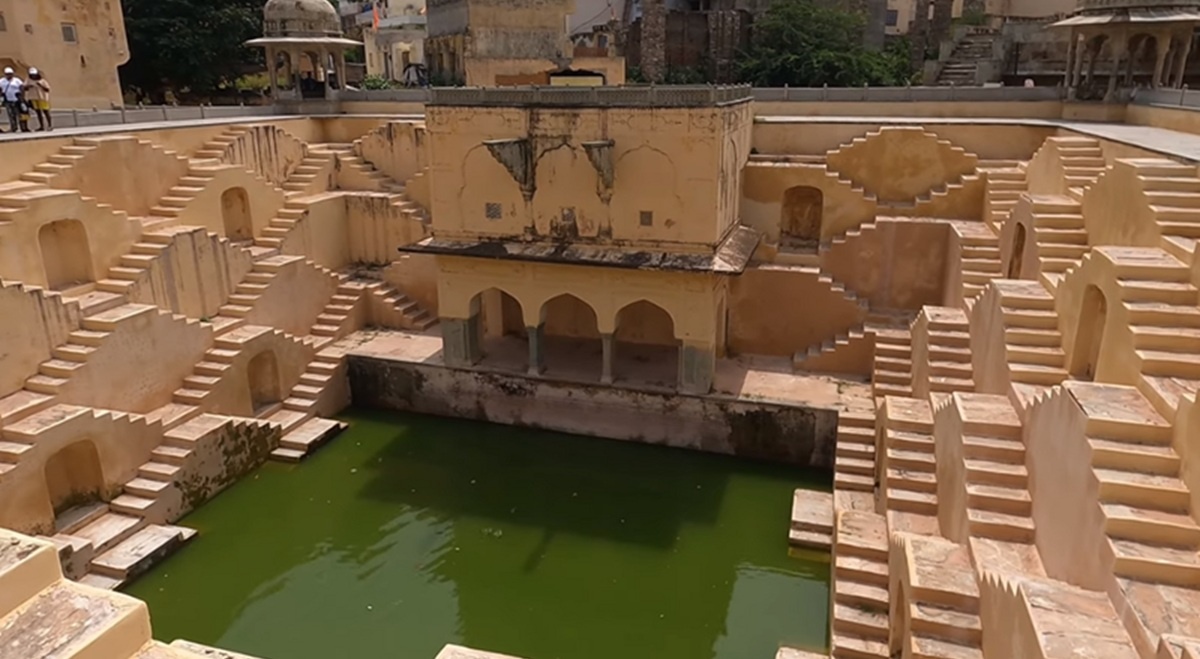
Jaipur Stepwell Conservation Plans Advance With HIAs
Jaipur’s civic authorities have initiated heritage impact assessments for four historic stepwells as part of a renewed conservation push, signalling a shift towards more structured heritage governance in rapidly expanding urban zones. The move follows international scrutiny over the sequencing of restoration work and aims to align redevelopment with conservation protocols in and around protected heritage areas. The stepwells—located in the buffer zone of Jaipur’s World Heritage precinct—are being evaluated before any physical intervention begins. Officials involved in the process indicate that these heritage impact assessments will examine how proposed restoration activities could affect the structural integrity, cultural value, and surrounding environment of each site.
The exercise is expected to conclude within a defined timeline, after which implementation plans will move forward. The decision to prioritise Jaipur stepwell conservation through formal assessments reflects a growing recognition that heritage assets cannot be treated as standalone projects. Urban planners note that buffer zones, though outside core protected areas, play a critical role in preserving the historical context and visual integrity of heritage cities. Unregulated construction or poorly planned interventions in these zones can undermine the value of designated sites over time. The four stepwells identified for conservation have long suffered from neglect, encroachment, and lack of maintenance—issues common across many historic water structures in Indian cities. Experts argue that restoring these assets offers not only cultural value but also environmental benefits. Stepwells, traditionally designed for water harvesting and storage, can support urban resilience strategies by contributing to groundwater recharge and microclimate regulation if revived appropriately. Authorities are exploring partnerships with private sector entities to support execution, particularly through corporate social responsibility frameworks.
Industry observers suggest that such collaborations, if governed transparently, can unlock funding for heritage conservation without overburdening municipal budgets. However, they caution that private participation must adhere strictly to conservation guidelines to avoid commercialization or alteration of original architectural features. Importantly, officials have clarified that the restoration approach will focus on returning the structures to their original form, rather than introducing modern redesigns. This aligns with international conservation principles, which emphazise minimal intervention and authenticity. The Jaipur stepwell conservation effort is therefore expected to prioritise structural stabilization, cleaning, and preservation over aesthetic modification. The episode also highlights a broader governance challenge: the need for clear communication between local authorities and global heritage bodies. Misalignment in reporting timelines and project status can lead to concerns about compliance, even when preparatory work is underway.
As Jaipur advances this initiative, the emphasis is likely to remain on balancing urban development pressures with long-term heritage stewardship. For cities experiencing rapid growth, integrating conservation into planning frameworks is becoming essential—not only to protect the past but also to create culturally rich, climate-responsive urban environments that serve future generations.