Jaipur Polo Season Boosts City Sports Tourism Momentum
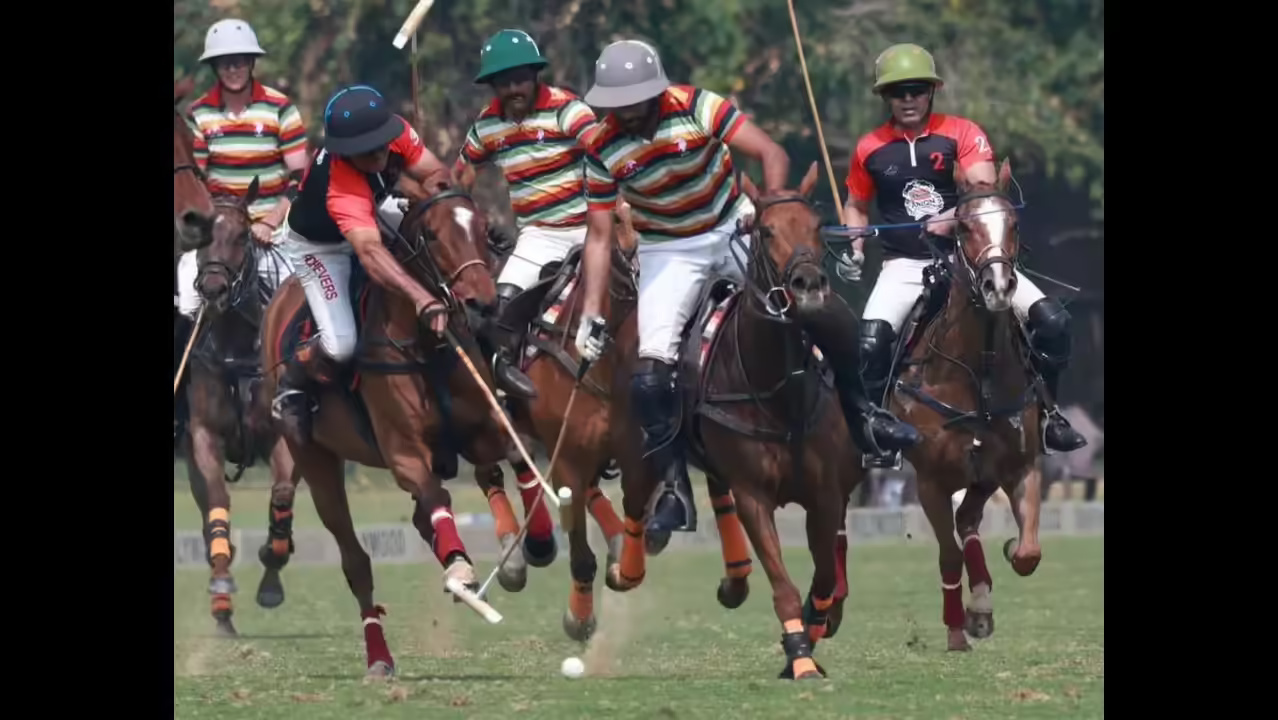
Jaipur’s annual polo season is once again drawing attention to the city’s cultural and tourism economy after a strong performance by the home side secured a place in the final of a major tournament being played at the Rajasthan Polo Club.
Recent match results from the ongoing season show that the local team advanced to the final of the RPC Cup after defeating a rival side by a clear margin at the club’s historic grounds. The match is part of a broader calendar of tournaments that runs through late winter and early spring, attracting players, sponsors, and spectators to the city each year. Sports analysts say the Jaipur polo season is no longer just a sporting event but an important urban-cultural activity. Matches held at the Rajasthan Polo Club have become regular attractions during the tourism season, especially for domestic visitors arriving in the city between January and March. Earlier tournament reports this year also show that multiple competitions — including season openers and knockout fixtures — have drawn strong participation and consistent results for the home team.
The significance of the season extends beyond sport. Jaipur has long used heritage sports such as polo to strengthen its identity as a cultural tourism destination. Industry experts say events like the RPC Cup create demand for hotels, restaurants, local transport, and small businesses near the venue, particularly during weekends and final matches. Earlier reports from the same season highlighted how multiple tournaments have been staged within a short period, suggesting that the city is increasingly positioning polo as a recurring tourism attraction rather than a single annual event. Urban planners also point out that the revival of traditional sports is closely linked to how cities build their cultural economy. In Jaipur’s case, polo is closely associated with the city’s heritage image, but the recent season shows a shift toward making the sport more accessible to wider audiences through frequent tournaments and shorter formats. The continued success of the home team in several matches this year has also helped keep public interest high and ensured that the season remains visible in the city’s events calendar.
At the same time, the growth of the polo season reflects a wider trend among Indian cities that are trying to combine heritage and modern tourism. Cities such as Jaipur increasingly rely on cultural events, sports competitions, and heritage venues to attract visitors beyond traditional sightseeing. Experts say such strategies are especially important for cities that are expanding rapidly and need to balance modern infrastructure growth with preservation of historic identity. The upcoming final of the RPC Cup is expected to draw larger crowds than earlier matches, which could further boost the city’s tourism activity during the final weeks of the winter season.
For the city, the bigger impact may lie in how the polo season continues to evolve. If the current momentum continues, Jaipur could strengthen its position not only as a heritage destination but also as a city that integrates sport, tourism, and urban cultural development — an approach increasingly seen as essential for sustainable and diversified urban growth.