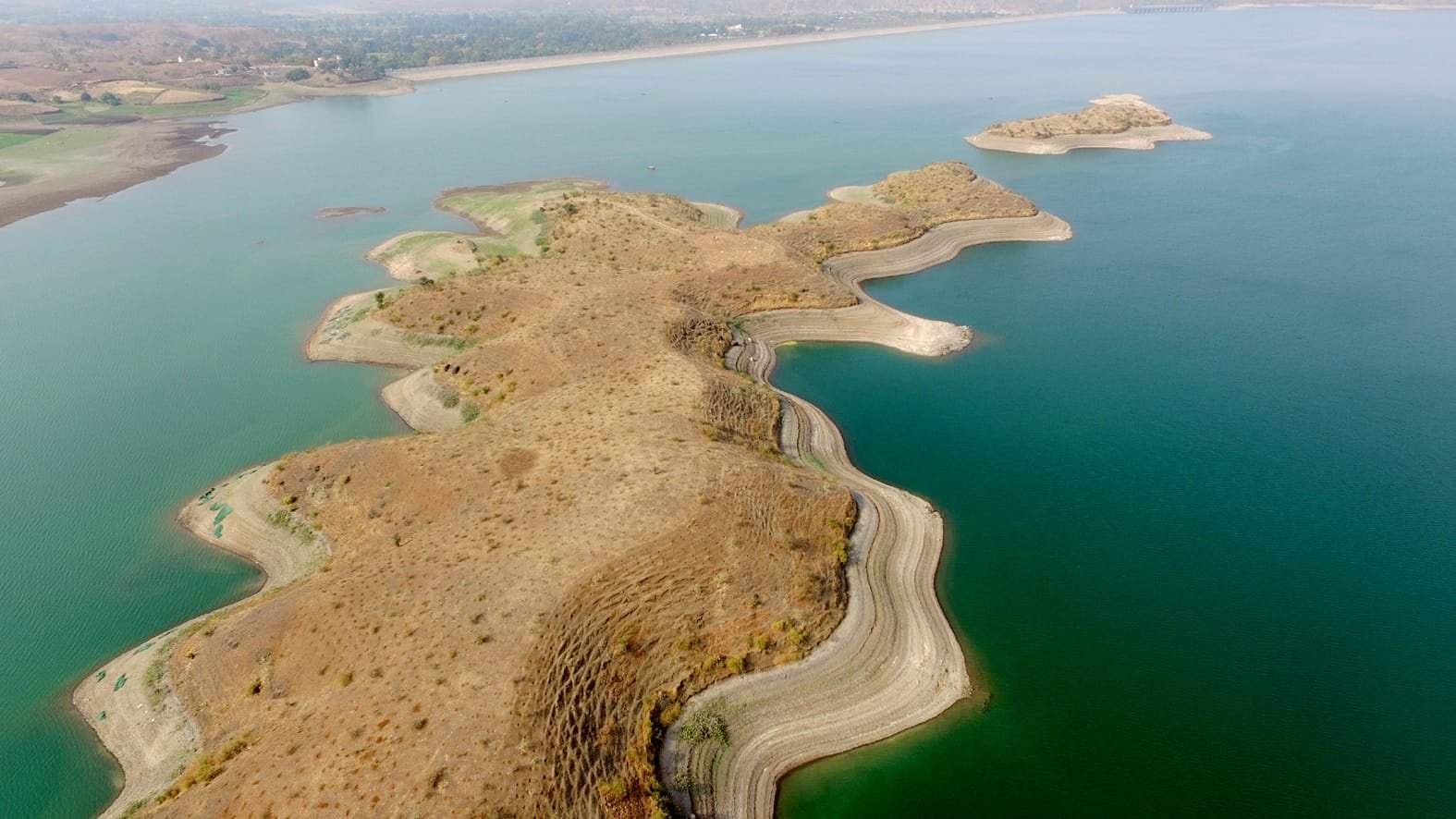
Jaipur Plans Eco Tourism Boost At Mahi Dam Islands
Jaipur is advancing plans to transform the Mahi Dam region in southern Rajasthan into a structured eco-tourism destination, signalling a shift towards nature-led economic development that balances environmental protection with local livelihoods. The initiative focuses on the reservoir’s cluster of islands, positioning the area as a regulated tourism zone while strengthening water resource management and regional employment. Officials indicate that a multi-departmental committee has been formed to design a comprehensive framework for the project. The panel, comprising representatives from water resources, forestry, tourism, pollution control and urban planning departments, is expected to map land use, define activity zones and establish environmental safeguards. This institutional approach reflects a growing emphasis on integrated planning in emerging tourism geographies.
The Mahi reservoir landscape, characterised by dispersed islets and surrounding hill ecosystems, has already begun attracting visitors. However, planners say unregulated growth could strain fragile ecological systems. The new blueprint therefore seeks to channel tourism through designated circuits, limiting environmental impact while improving visitor infrastructure. Proposed interventions include controlled water-based activities, scenic access points and basic amenities aligned with sustainability norms. Urban planners note that such projects are increasingly being viewed as economic multipliers for smaller districts. By formalising eco-tourism, the state aims to generate employment in hospitality, transport and local services, particularly in tribal and rural communities around the reservoir. This aligns with broader policy trends that link tourism development with inclusive growth and decentralised economic opportunity. At the same time, environmental safeguards remain central to the plan. Experts highlight that reservoirs and their catchment areas are sensitive hydrological systems, requiring strict monitoring of land use and pollution.
The committee is expected to define clear guidelines for leasing, construction and tourism operations, ensuring that commercial activity does not disrupt water quality or biodiversity. From an infrastructure perspective, the initiative also reflects a wider shift in how states are approaching destination development. Rather than large-scale construction, the focus is on low-impact, climate-responsive interventions that preserve natural assets while enhancing accessibility. This approach is gaining traction across India as cities and regions look to align tourism growth with climate resilience goals. The project’s long-term success will depend on execution—particularly the ability to enforce environmental norms and maintain coordination across agencies. If implemented effectively, the Mahi Dam initiative could serve as a model for sustainable tourism development in water-based landscapes, where ecological preservation and economic use must coexist.
As planning moves forward, attention will remain on how regulatory frameworks translate into on-ground outcomes, and whether the region can balance rising visitor interest with the ecological limits of its unique island ecosystem.