Jaipur Opens Vacant Urban Plots For Short Term Use
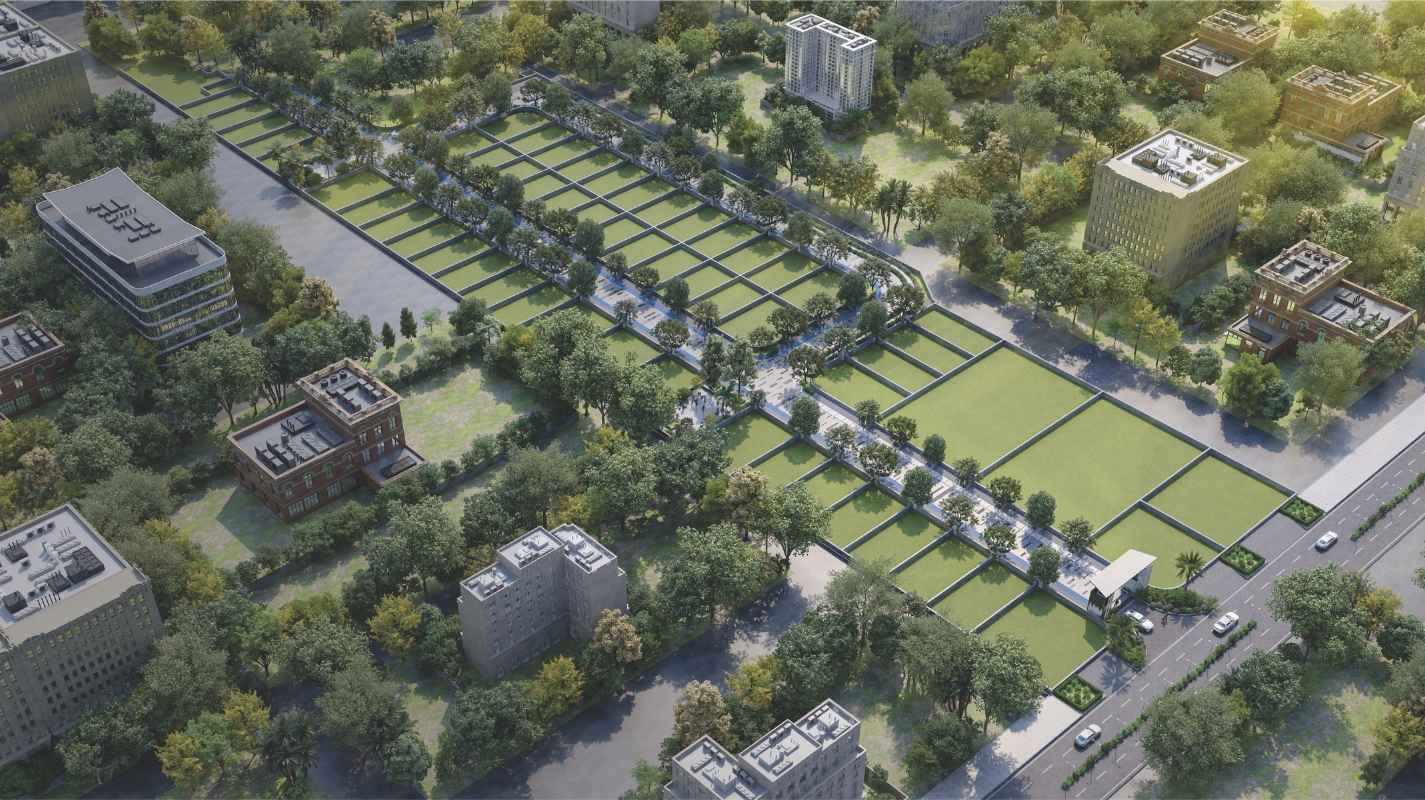
Urban land that often remains unused across Jaipur may soon be temporarily activated for public and commercial purposes as authorities introduce a policy allowing short-term leasing of idle plots and open spaces.
The initiative aims to optimise underutilised government land while providing organised venues for events, services and small business activities across the city. Under the framework being implemented by the urban development authority, vacant plots and open areas under its jurisdiction can be leased for limited periods to individuals, organisations and businesses. The move is intended to prevent land from lying idle while supporting a variety of temporary urban activities that require short-duration space.
Officials overseeing the initiative say the lease duration will typically be capped at 90 days per allotment, though extensions may be permitted depending on the nature of the activity and availability of the site. The short-term approach allows the city administration to maintain long-term planning flexibility while generating interim economic and civic value from unused urban land parcels. Authorities have indicated that the spaces could accommodate a wide range of uses. Commercial activities may include temporary site offices, storage areas linked to construction or maintenance work, exhibitions, vehicle washing facilities, game zones and other short-term business operations. At the same time, the framework also enables non-commercial uses such as cultural events, educational programmes, temporary parking facilities and large community gatherings.
Urban planners note that large Indian cities frequently face the challenge of managing fragmented land parcels that remain vacant for years due to regulatory, planning or market constraints. Activating such land for temporary use can improve neighbourhood vibrancy, reduce illegal encroachments and create economic opportunities for local enterprises. The leasing mechanism also introduces a structured application process. Prospective users — including residents, registered organisations and companies — must submit identity documentation and pay a nominal application fee. Once approved, the applicant is required to deposit the prescribed rental amount along with a security deposit before occupying the space.
For a rapidly expanding city like Jaipur, the initiative reflects a broader shift in how municipal land assets are managed. Urban authorities across India are increasingly exploring flexible land-use strategies that allow public land to generate temporary economic value without altering long-term master planning objectives. Experts in urban governance say such policies can help cities address multiple challenges simultaneously. Temporarily activating vacant land can support local economic activity, improve neighbourhood safety and create space for community functions, all while maintaining control over future infrastructure development or real estate projects.
The approach also aligns with emerging global planning practices that treat idle urban land as a dynamic resource rather than a static asset. Short-term leasing allows cities to experiment with uses such as pop-up markets, cultural spaces and mobility infrastructure while preserving the ability to redevelop the land when long-term projects materialise. As Jaipur continues to expand geographically and economically, strategies that maximise the value of existing public assets are expected to play a growing role in shaping how urban land is managed in the years ahead.