


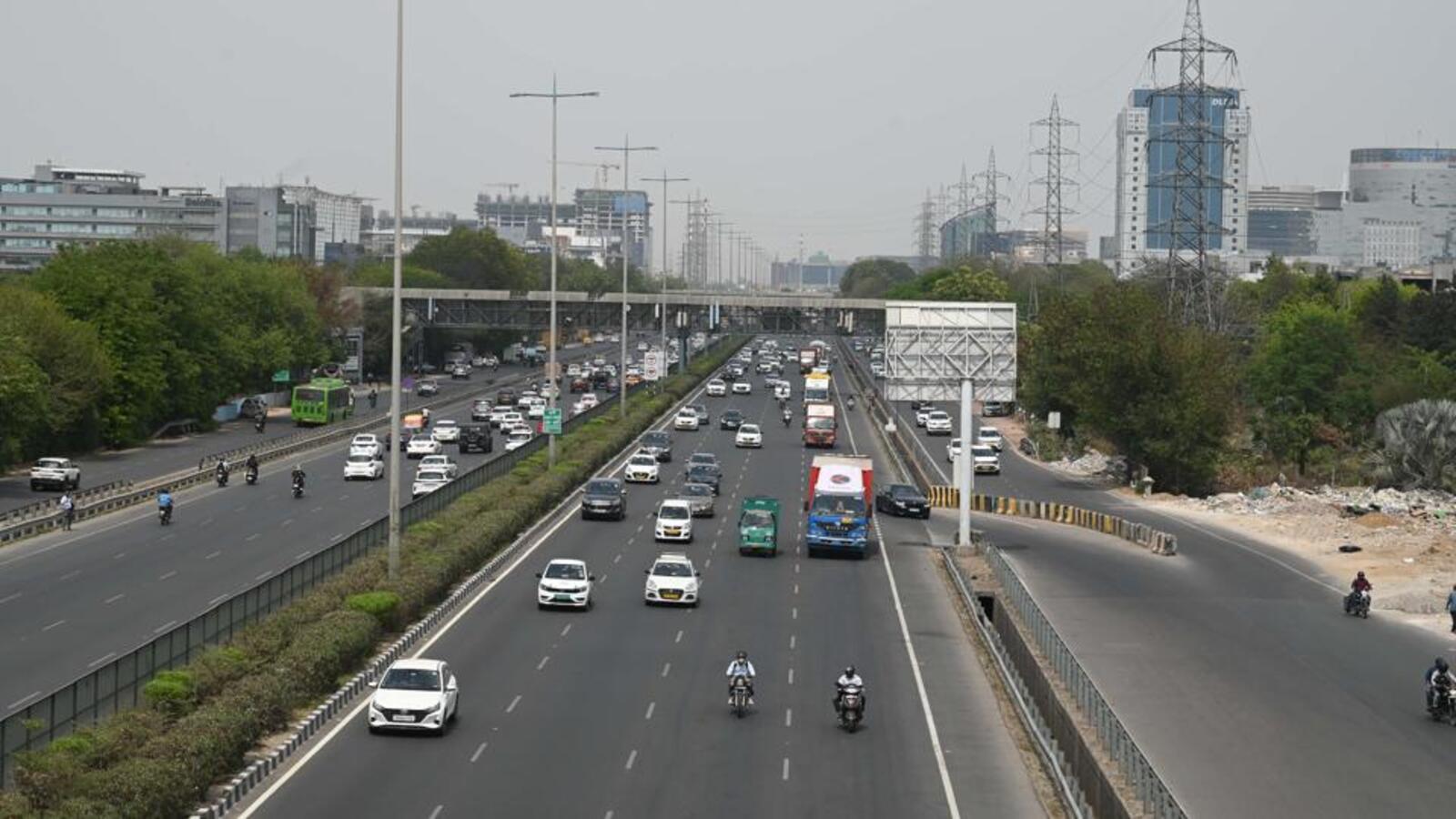
A new high-speed link connecting Jaipur to the Delhi-Mumbai Expressway is beginning to reshape regional air travel behaviour. With improved connectivity and reduced travel time to Delhi’s IGI Airport, more passengers are opting to reach the capital by road rather than fly from Jaipur—saving significantly on time, cost, and emissions. The newly inaugurated spur from Bagrana near Jaipur has compressed the Jaipur-Delhi road journey to just over three hours.
This development is proving to be a game-changer, not just for commuters but also for the city’s air transport ecosystem. Passengers heading to major metro cities like Mumbai, Kolkata, and Nagpur are increasingly preferring road travel to Delhi’s international airport, bypassing Jaipur’s limited and costlier flight options. For many travellers, the shift is driven by simple economics and efficiency. The cost disparity is stark. A family’s return air fare between Jaipur and Delhi can cost upwards of ₹48,000, while a single cab ride to IGI Airport costs only around ₹6,000 one way. The reduction in transit time—now just 3 to 3.5 hours by road—adds to the convenience, allowing passengers to skip long airport wait times and flight delays commonly associated with connecting flights.
The situation is particularly compelling given Jaipur’s constrained flight network. Limited direct connections and fewer daily operations mean that ticket prices for routes such as Jaipur-Kolkata or Jaipur-Mumbai are often twice the rates from Delhi. This creates a significant affordability gap for travellers who are now empowered with the alternative of a seamless, time-bound road journey. A section of travel experts is raising flags about the potential decline in Jaipur Airport’s domestic passenger load. The airport, already struggling to secure international connections and newer routes, may now face further marginalisation unless proactive steps are taken. The imbalance in air connectivity is also putting pressure on the state’s efforts to promote sustainable tourism and business travel.
From an urban planning lens, the shift has far-reaching implications. Reduced air travel within short sectors aligns with India’s broader climate goals and net-zero ambitions. Encouraging road transport, especially in shared or electric vehicles, may significantly cut carbon footprints compared to short-haul flights. It offers a practical solution that aligns with sustainable urban transport models and supports green mobility agendas. However, there are challenges to this evolving dynamic. Increased road traffic between Jaipur and Delhi could strain the expressway infrastructure if not matched with complementary policies such as electric mobility incentives, reliable intercity bus services, and regulated cab operations. Additionally, a downturn in Jaipur airport activity could impact local employment and airport-related businesses.
Urban development experts suggest this moment presents an opportunity for Jaipur to reimagine its role as a regional transport hub. Instead of competing with Delhi, the city can focus on integrating multimodal transport systems—efficient road connectivity, better intra-state flights, and robust railway services. Expanding clean-energy transport options will also future-proof Jaipur’s mobility strategy. The emergence of the Delhi-Mumbai Expressway as a preferred travel corridor signals the need for a deeper policy rethink. Jaipur’s urban and regional transport planning must now adapt to changing commuter behaviours. If managed well, this shift can create a blueprint for more equitable, sustainable, and low-emission urban ecosystems—exactly the kind of transformation India’s growing tier-2 cities must embrace.
Also Read :Anmod Ghat Road Collapse Cuts Off Goa and Karnataka as Heavy Rains Wreck Highway Link
