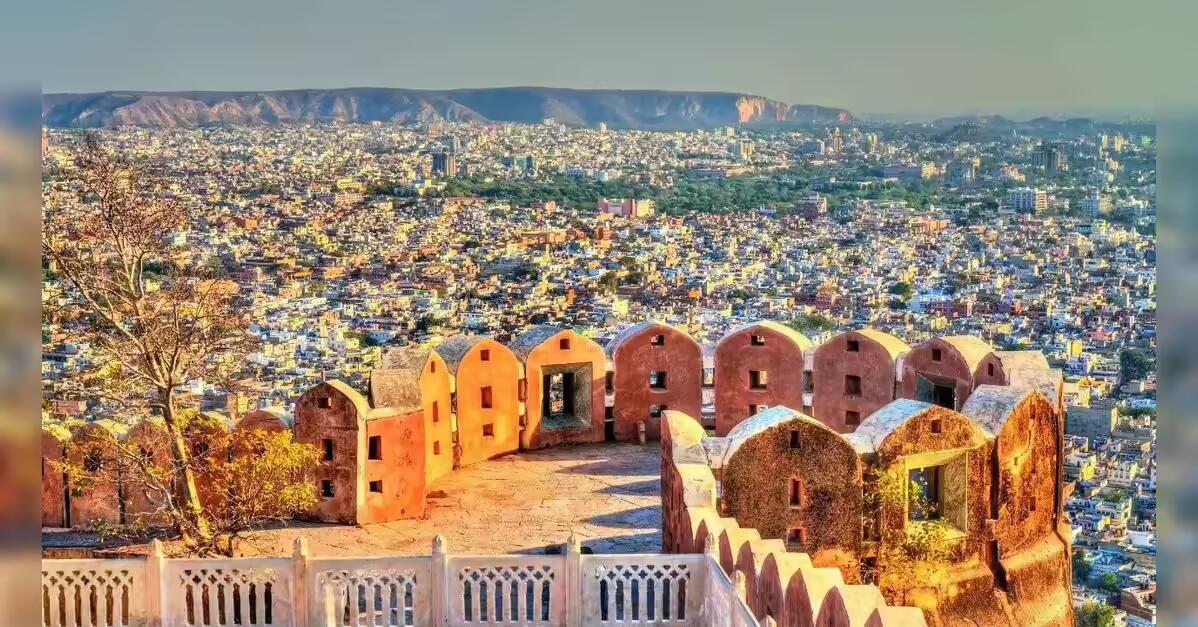
Jaipur’s hospitality sector is undergoing a quiet but significant transformation, as boutique hotels gain traction in a market long dominated by palace properties and large luxury resorts. The shift reflects evolving traveller expectations and signals a broader recalibration of how heritage cities position themselves within India’s fast-growing tourism economy. Industry observers note that visitors to Jaipur are increasingly prioritising personalised, design-led experiences over scale and opulence. This shift is prompting developers and operators to invest in smaller properties that offer curated stays rooted in local culture. The trend aligns with a wider global movement in hospitality, where authenticity and place-based storytelling are becoming central to guest experience.
Unlike traditional heritage hotels that emphasise grandeur and legacy, boutique properties in Jaipur are focusing on intimacy, craftsmanship and spatial detail. Urban planners suggest this transition also supports more sustainable tourism patterns, as smaller developments typically place less pressure on infrastructure and encourage adaptive reuse of existing built environments rather than large-scale construction. One such example is a recently introduced boutique hotel located within a residential neighbourhood, reflecting a departure from destination-style hospitality clusters. By embedding itself within the city’s everyday fabric, the project offers guests a quieter and more immersive urban experience. Experts say this approach not only diversifies accommodation choices but also distributes tourism activity more evenly across the city. Design plays a central role in this emerging segment. Architects and hospitality consultants highlight the use of traditional materials and techniques—such as lime-based plaster finishes, ornamental glasswork and arched forms—interpreted through a contemporary lens. This blending of heritage elements with modern design is seen as a way to preserve cultural identity while meeting current expectations of comfort and aesthetics.
The rise of boutique hotels also intersects with Jaipur’s economic landscape. Smaller developments often engage local artisans, craftspeople and suppliers, creating micro-level economic opportunities that may not always emerge from large-scale hospitality projects. This model supports more inclusive growth, particularly in cities with strong craft traditions and informal economies. At the same time, the expansion of boutique hospitality raises questions about regulatory frameworks, zoning policies and infrastructure readiness. Urban development experts caution that as demand grows, authorities will need to ensure that such projects integrate seamlessly with residential areas, maintain heritage sensitivity, and adhere to sustainability norms, including water use, waste management and energy efficiency. Jaipur’s tourism ecosystem continues to expand with new hotel formats, renovated heritage assets and increasing domestic travel demand.
Within this landscape, boutique hotels are not replacing established luxury offerings but complementing them, providing an alternative for travellers seeking depth over scale. As travel preferences continue to evolve, the city’s hospitality sector may increasingly move towards diversified, experience-driven formats. The success of boutique hotels could influence how other heritage cities balance conservation, tourism growth and urban liveability in the years ahead.