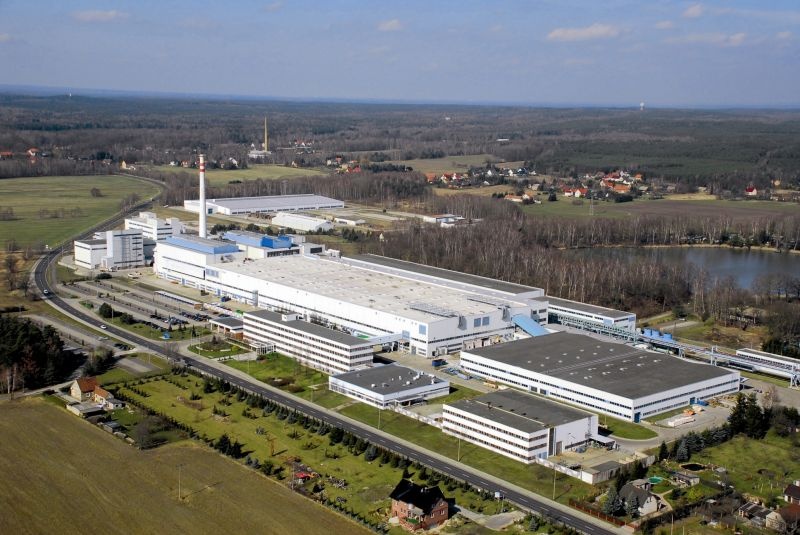
Indore Manufacturing Hub Expands With New Hardware Plant
India’s specialised glass manufacturing sector is preparing for new capacity expansion as a leading domestic producer moves ahead with fresh investments across two industrial locations. The company’s board has cleared a combined capital expenditure of about ₹92 crore aimed at strengthening borosilicate glass manufacturing capacity in Rajasthan while establishing a new production facility in Gujarat. Industry analysts say the expansion reflects growing demand for high-performance glass products used across consumer goods, laboratory equipment and pharmaceutical packaging—segments that are experiencing steady growth alongside India’s expanding healthcare and research infrastructure.
The company plans to invest a portion of the capital into building a new manufacturing facility in Bharuch, Gujarat, a region already recognised as a major industrial cluster due to its chemical, pharmaceutical and materials manufacturing ecosystem. Officials familiar with the proposal say the upcoming plant is expected to focus on large-scale production of glassware products designed for both domestic and export markets. The remaining investment will be directed toward upgrading an existing plant in Jaipur, where the company operates a furnace used in borosilicate glass manufacturing for pressware products. The planned expansion will increase the furnace’s daily production capacity, allowing the facility to produce higher volumes once the upgrade is completed. Manufacturing experts note that borosilicate glass plays a crucial role in industries requiring materials capable of withstanding high temperatures and chemical exposure. This type of glass, often referred to as low-expansion glass, is widely used in laboratory equipment, cookware and specialised packaging because of its thermal resistance and durability. According to industry observers, expanding furnace capacity can help manufacturers improve operational efficiency by increasing utilisation levels while spreading energy and maintenance costs across larger production volumes. In energy-intensive industries such as glassmaking, these improvements can significantly influence long-term cost structures.
The Bharuch facility is expected to begin production after regulatory approvals are completed, while the Jaipur expansion is likely to be implemented in alignment with the next scheduled furnace rebuild at the plant. Technical upgrades during furnace rebuild cycles are common in the glass industry because they allow manufacturers to integrate improved technology without disrupting operations unnecessarily. Market analysts suggest the company’s investment strategy reflects broader trends within borosilicate glass manufacturing, where producers are expanding domestic capacity to meet rising demand from laboratories, pharmaceutical firms and consumer markets. The expansion also aligns with India’s efforts to strengthen local manufacturing capabilities across materials and industrial components. Increasing domestic production can reduce dependence on imports while supporting supply chains linked to healthcare, research and high-value consumer products. However, industry specialists caution that capital-intensive projects such as furnace expansions and new production units require careful execution. Factors such as energy prices, equipment costs and construction timelines can influence the overall financial outcome of such investments.
If completed on schedule, the new plant in Gujarat and the upgraded facility in Jaipur could expand the company’s manufacturing footprint while reinforcing India’s role in borosilicate glass manufacturing for specialised industrial and consumer applications.