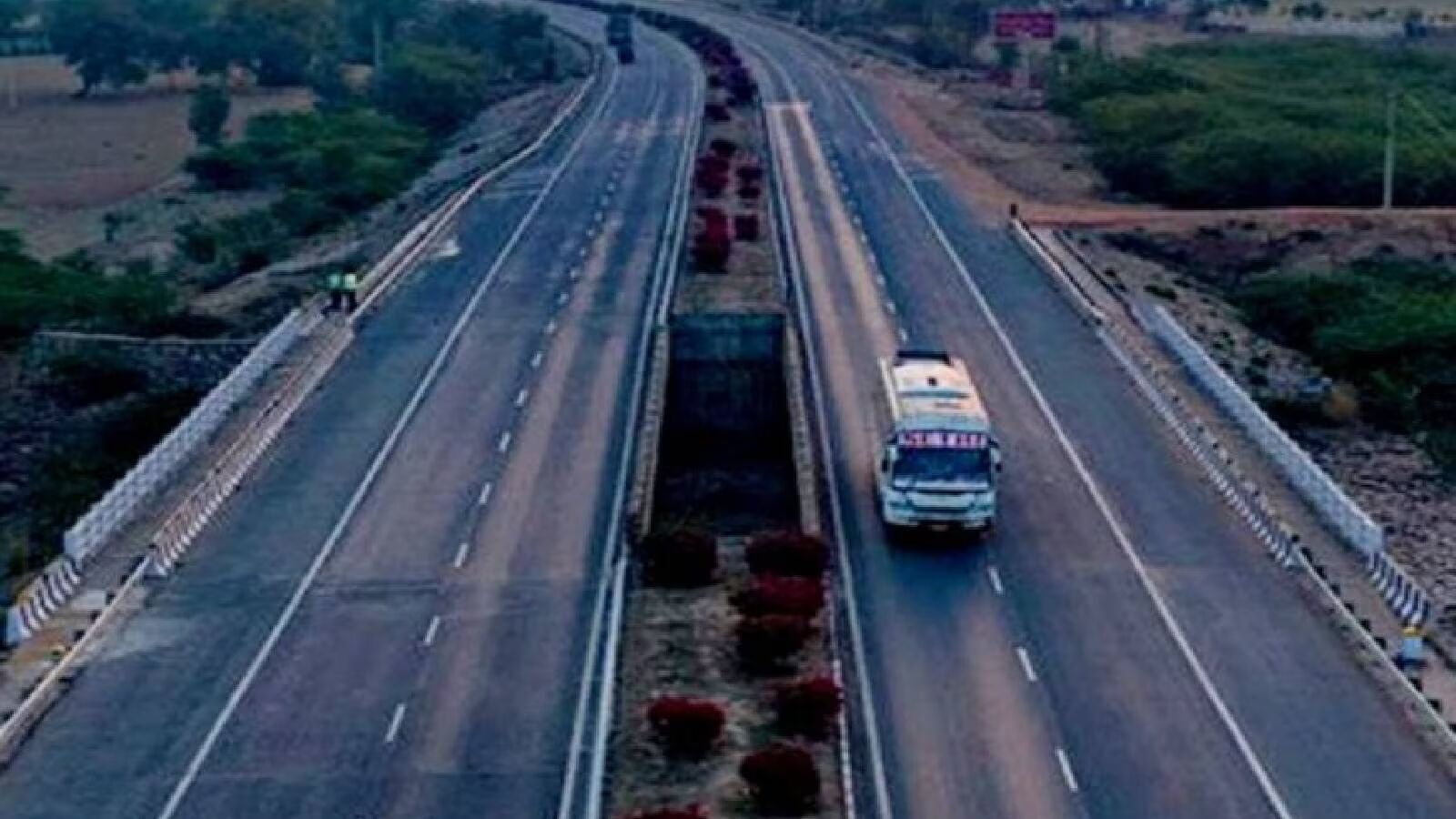
Jaipur Announces 86 km Road Expansion and Flyovers
Jaipur, Rajasthan — Jaipur’s civic authorities have unveiled a long-term Mobility Master Plan 2055 that envisions transformative changes to the city’s transport network — including proposals for 14 flyovers, 9 railway crossing eliminations and widening of nearly 86 kilometres of key roads.
The initiative, announced ahead of the municipal body’s next budget cycle, reflects an urgent effort to address congestion, integrate urban mobility corridors and support sustainable growth in one of India’s fastest-expanding state capitals. City planners say Jaipur’s existing transport infrastructure — shaped by historic radial road patterns and rapid peri-urban expansion — is increasingly strained by rising commuter volumes, freight movement and informal traffic. The Mobility Plan 2055 aims to create a more efficient, multi-modal system that balances private vehicle use with public transport, non-motorised movement and spatially equitable access to services.
A prominent element of the strategy is 14 proposed flyovers and elevated junctions at major traffic bottlenecks. These structures are intended to streamline vehicular flow at intersections that currently experience peak-hour gridlock, especially along arterial corridors connecting emerging residential and economic zones. At the same time, authorities plan to remove or upgrade 9 level railway crossings that interrupt road continuity, improving safety and reducing wait times for road users. According to urban mobility analysts in Jaipur, connecting road and rail networks more seamlessly is essential for both daily commuting and logistics flows. “Rail crossing eliminations not only improve safety but also unlock productivity gains by reducing idling and emissions from stalled traffic,” said a senior transport planner. A more integrated rail-road interface can also support future rapid transit corridors or dedicated bus lanes linking dense neighbourhoods with employment hubs.
The road widening component — covering close to 86 km of existing stretches — will focus on enhancing key east-west and north-south links, while incorporating dedicated pedestrian paths and cycling infrastructure where feasible. Officials emphasise that the widened stretches will be designed with complete streets principles, offering safer movement for women, students and people with disability alongside motor vehicles. This aligns with Jaipur’s broader objective of inclusive urban mobility. The Mobility Plan also acknowledges the need to strengthen the city’s public transport backbone. Jaipur’s burgeoning city bus network and planned metro routes are expected to receive coordinated support through improved corridor planning, feeder services and integrated ticketing. Enhancing mass transit viability is viewed as critical to reducing private vehicle dependence and lowering carbon emissions — a priority for Rajasthan’s climate adaptation strategy.
Financially, the municipality is evaluating blended investment models that combine state funding, central grants and potential public-private partnerships (PPPs). Experience from other Indian cities suggests that leveraging private capital for targeted flyover and roadway segments can accelerate delivery timelines and ensure higher asset quality, provided regulatory safeguards and equitable design standards are upheld. Still, observers warn that infrastructure expansion must be paired with demand-management tools. Congestion pricing, parking reforms and developer contributions for transit-oriented growth could help manage long-term traffic pressures and finance sustainable alternatives. Without such complementary measures, new roads risk attracting further vehicle traffic — a phenomenon known as induced demand.
For Jaipur’s residents, the Mobility Plan 2055 symbolizes a roadmap toward smoother travel, safer streets and more predictable commuting patterns. Yet success will hinge on disciplined implementation, cross-agency coordination and inclusive engagements with neighbourhood stakeholders. As Jaipur prepares to invest in transformative mobility upgrades, balancing growth, environmental sustainability and equitable access remains central to the city’s urban development agenda.