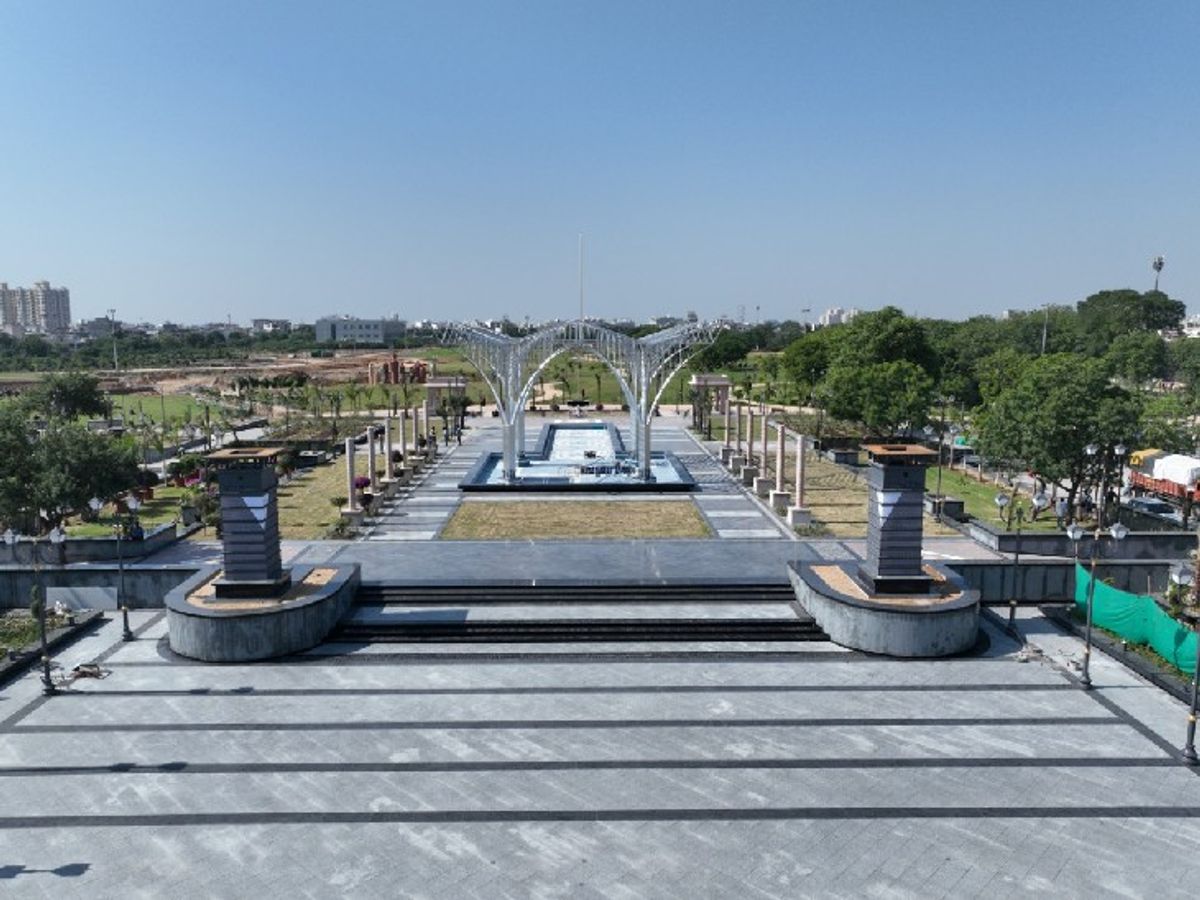
Jaipur is advancing an urban greening and infrastructure enhancement initiative with plans to transform 13 major roads and junctions in the Mansarovar area into more visually appealing and environmentally responsive corridors.
The Jaipur Development Authority (JDA) has identified these strategic routes for a comprehensive beautification project that aims to elevate urban aesthetics, improve commuter experience and contribute to the city’s long-term sustainability efforts. Under the project blueprint, green landscaping features — including thematic plantings on medians and sculptural installations at key intersections — will be introduced to create a consistent and aesthetically uplifting roadside environment. Designs are intended to use resilient plant species capable of withstanding Jaipur’s hot, semi-arid climate, acknowledging that urban vegetation must be both durable and low-maintenance to thrive in Rajasthan’s conditions. Urban environmental experts say that such greening initiatives carry benefits beyond beautification. Well-planned vegetation along thoroughfares can mitigate urban heat island effects by shading road surfaces, lowering surface temperatures and improving microclimates in dense neighbourhoods.
This is increasingly important in cities like Jaipur, which regularly records higher heat indices in built-up zones due to dense construction and limited tree cover. In addition to visual and environmental gains, a greener streetscape can support improved pedestrian conditions. Plant-lined medians and junction plazas can psychologically calm traffic, enhance walkability and foster safer crossings — all of which contribute to more inclusive urban mobility. For residents of Mansarovar, a largely residential and mixed-use suburb, these human-centric improvements are expected to augment quality of life by making everyday journeys more pleasant and less stressful. The project’s phased implementation will first involve a detailed design and budget estimate, followed by a public tender process for construction contracts. JDA officials anticipate that initial construction activities, including soil preparation and planting, will begin once procurement procedures are complete.
However, delivering the initiative successfully will require careful coordination between urban planners, horticultural experts and traffic engineers. Greening efforts along active roadways must account for underground utilities, future road widening plans and seasonal irrigation logistics. Specialists caution that without integrated planning, ornamental plantings can conflict with safety sightlines or require frequent maintenance that strains civic resources. The Mansarovar greening plan also echoes broader urban development priorities outlined in Jaipur’s long-term mobility and sustainability strategy, which includes multimodal transport upgrades, enhanced public spaces and climate-adapted infrastructure. A recently proposed mobility master plan, for example, emphasises elevated corridors, expanded rapid transit and integrated junction upgrades to address congestion and connectivity challenges as the city grows.
While relatively modest in scale compared with major transport projects, the Mansarovar roads greening initiative signals a complementary approach that blends aesthetic enhancement with environmental responsiveness. As Jaipur continues to expand its built environment, efforts to anchor infrastructure upgrades with green urban design could help make the city more resilient to climate stresses and more inviting for residents and visitors alike.