


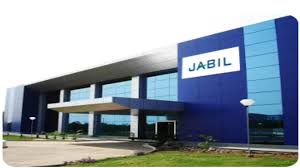
A major long-term warehousing commitment by a global electronics manufacturer is reinforcing Pune’s position as one of India’s most critical industrial and logistics corridors, reflecting the deepening integration of global supply chains with India’s manufacturing ecosystem.
A US-headquartered manufacturing services firm, which counts global technology brands among its key clients, has secured a large-format logistics facility in the Ranjangaon industrial belt on the eastern edge of Pune. The lease, structured over a decade, underlines growing confidence among multinational manufacturers in India’s ability to support scale, resilience and operational continuity beyond assembly operations. The transaction involves a high-capacity warehouse within a state-notified industrial estate, offering long-term tenure and built-to-suit logistics infrastructure. Industry observers say the deal is emblematic of a broader shift: global manufacturers are increasingly locking in backend infrastructure such as warehousing, component storage and distribution hubs as they expand Indian operations. Ranjangaon, located along a key highway linking Pune with central Maharashtra, has emerged as a preferred destination for electronics, automotive and engineering companies due to its proximity to manufacturing clusters, port connectivity and established industrial governance. Its designation under the state’s industrial development framework has ensured access to power, transport and compliance-ready land parcels factors that are becoming decisive for global firms managing complex supply chains.
The structure of the lease also signals long-term intent. Extended lock-in periods and staggered rent escalations are typically associated with occupiers planning sustained manufacturing or export-linked activity, rather than short-term logistics play. Analysts tracking industrial real estate note that such commitments reduce volatility in warehouse demand while encouraging developers to invest in higher environmental and operational standards. Pune’s industrial market has seen a steady stream of similar transactions over the past year, with third-party logistics providers, manufacturing firms and institutional developers expanding their footprint across the Talegaon–Chakan–Ranjangaon belt. This growth is increasingly aligned with national manufacturing priorities, including electronics production, supply chain localisation and reduced import dependence. Urban planners point out that industrial leasing of this scale has implications beyond real estate. Stable warehousing infrastructure supports employment generation, freight efficiency and lower last-mile emissions by enabling consolidated logistics rather than fragmented transport networks. When paired with planned industrial estates, such developments can also reduce unregulated sprawl and pressure on peri-urban land. For Pune, the continued interest from global manufacturers strengthens its role as a bridge between India’s technology ambitions and physical production capacity.
As industrial corridors mature, the focus is gradually shifting from land acquisition to operational efficiency, sustainability compliance and integration with regional transport systems. The pace and nature of these commitments suggest that India’s manufacturing-linked logistics demand is moving into a more durable phase one anchored in long-term planning rather than cyclical expansion.
Also Read: Hyderabad Office Growth Redefines City Scale
Jabil Expands Pune Industrial Footprint
