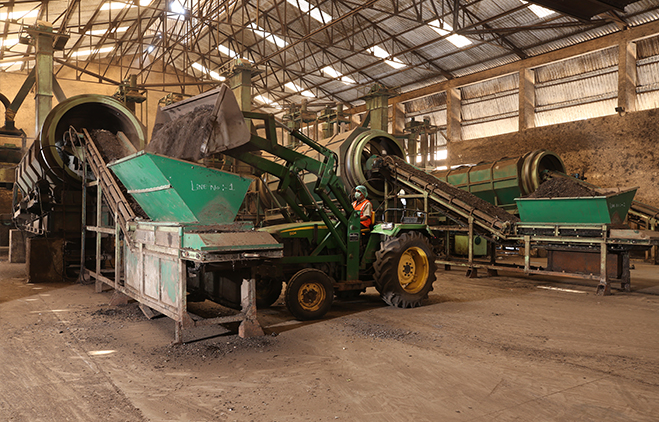
Patna is preparing for a major upgrade in its waste-management system with an Integrated Solid Waste Management (ISWM) facility expected to significantly improve how the city handles municipal waste. The project is being positioned as a long-term solution to the growing pressure on existing dumping sites and a step toward more scientific treatment of urban waste in one of eastern India’s fastest-growing cities.
Public information from urban-policy and municipal reports shows that integrated solid-waste facilities are increasingly becoming central to city planning across India. Such plants typically combine waste segregation, composting, recycling and scientifically managed landfills within a single site, allowing cities to reduce their dependence on open dumping. Urban planners say the timing is significant. Cities similar in size to Bhubaneswar have seen waste volumes rise sharply due to population growth, expanding real-estate activity and higher consumption levels. Studies from national urban-development institutions note that integrated plants not only improve waste processing efficiency but also reduce the environmental and health risks associated with legacy dumpsites.
The proposed ISWM plant is expected to introduce a multi-stage waste-processing system that includes material-recovery facilities, composting units for organic waste, and controlled landfill infrastructure for residual waste that cannot be reused. Policy documents highlight that such systems can process hundreds of tonnes of waste per day, depending on the size of the facility, while also supporting resource recovery through recycled materials and compost. The project also reflects a wider shift in how Indian cities are approaching urban sanitation. Recent examples from cities such as Agra and Lucknow show that investments in integrated waste-processing plants are increasingly being linked to land reclamation, improved public health outcomes and more sustainable urban growth. In some cases, legacy dumping grounds have been converted into green spaces or waste-processing hubs once scientific systems are put in place.
For residents, the impact could extend beyond waste collection. Experts say integrated waste infrastructure often improves neighbourhood cleanliness, reduces landfill-related air pollution and supports more efficient door-to-door waste systems. This is particularly relevant for rapidly expanding cities, where unplanned waste disposal has historically struggled to keep pace with urban growth. The ISWM project also carries economic implications. Efficient waste-processing systems are increasingly seen as essential urban infrastructure, much like water supply or transport networks. A modern facility can create local employment, support small-scale recycling industries and reduce long-term municipal costs associated with landfill expansion.
As the project moves toward implementation, the focus will likely shift to execution and long-term maintenance—two areas that often determine whether waste-management projects succeed. If implemented effectively, the new ISWM plant could help Bhubaneswar move closer to a more climate-resilient and resource-efficient urban model while reducing dependence on conventional dumping practices.