


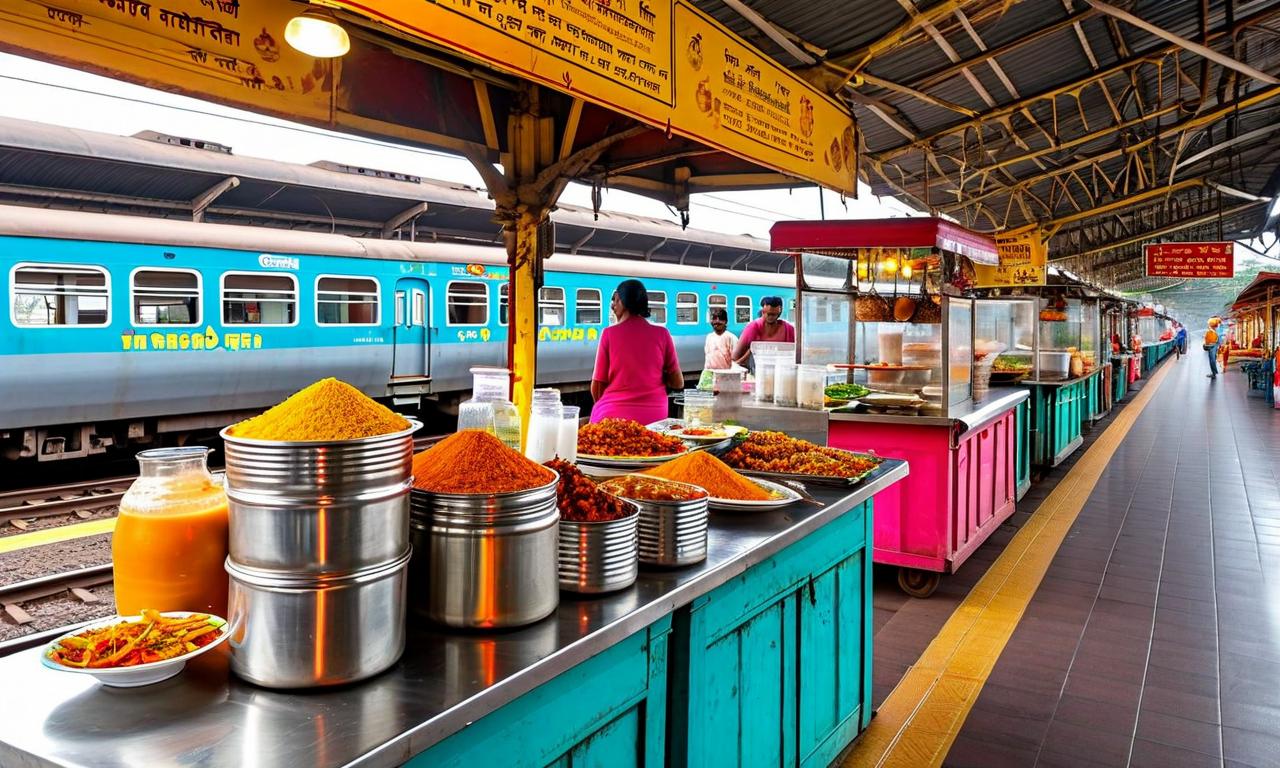
Indian Railways has unveiled a strategic policy overhaul for its on-board catering services, transitioning from a train-specific model to a route-wise cluster-based system. This significant change, detailed in a recent commercial circular, is a multi-pronged effort to enhance food quality, enforce stringent hygiene standards, and streamline service delivery across the vast rail network. By moving towards a centralized food preparation model with designated base kitchens and professional oversight, the Indian Railway Catering and Tourism Corporation (IRCTC) aims to create a more consistent, accountable, and passenger-centric experience, aligning with the national objective of building sustainable and equitable infrastructure.
The core of this new strategy lies in the business logic of centralisation and transparent competition. Previously, catering contracts were often awarded on a per-train basis, which could lead to inconsistent standards and logistical complexities. Under the new cluster model, each group of trains on a specific route is now linked to a designated Base Kitchen, ensuring that food is prepared in a controlled and hygienic environment. The tendering process for these clusters was highly competitive, with 24 bidders participating and contracts ultimately awarded to 20 service providers. This approach has successfully avoided the concentration of contracts in the hands of a few, a key concern raised by several officials. The public availability of all contract details on the IRCTC website further reinforces this commitment to transparency and fairness in the business ecosystem.
From a sustainability and equity perspective, this new policy has far-reaching implications. The centralized kitchen model allows for more efficient resource management, including the potential for bulk procurement and the implementation of advanced waste management systems, thereby contributing to a reduced environmental footprint. Moreover, by fostering a competitive and transparent tendering process, the policy creates a more equitable playing field for a diverse range of service providers. This can encourage smaller and local enterprises to bid, including those led by women entrepreneurs, thereby promoting inclusive economic participation. The policy’s focus on merit and transparent evaluation criteria over personal connections is a crucial step towards dismantling barriers and ensuring that opportunities are distributed fairly across society.
To enforce these new standards, IRCTC has introduced a robust monitoring framework that combines human expertise with digital oversight. The corporation has mandated the deployment of professionally trained staff, with 819 hospitality monitors overseeing base kitchen operations and an additional 876 stationed on trains to supervise on-board services. This professional oversight is critical for maintaining hygiene, monitoring food preparation, and promptly addressing passenger feedback. The digital component of this system is the widely used RailMadad portal, which serves as a centralized channel for passenger complaints. The gravity with which these complaints are treated is evidenced by the fact that IRCTC imposed penalties amounting to ₹13.2 crore on contractors in the last fiscal year alone, a clear signal of its commitment to accountability and service excellence. The sheer scale of the operation, serving over 16.5 lakh meals daily, makes this systemic shift not just a reform but a necessity for a modern railway network.
Also Read :Nagpur‑Pune Vande Bharat Sleeper Express to Launch Soon
